
Learn how to make pastry from scratch with this ultimate guide to pastry ingredients, techniques and different types of pastry. Find out why pastry sometimes goes wrong, which pastry to use for different recipes, and the simple rules that will help you make light, crisp pastry.
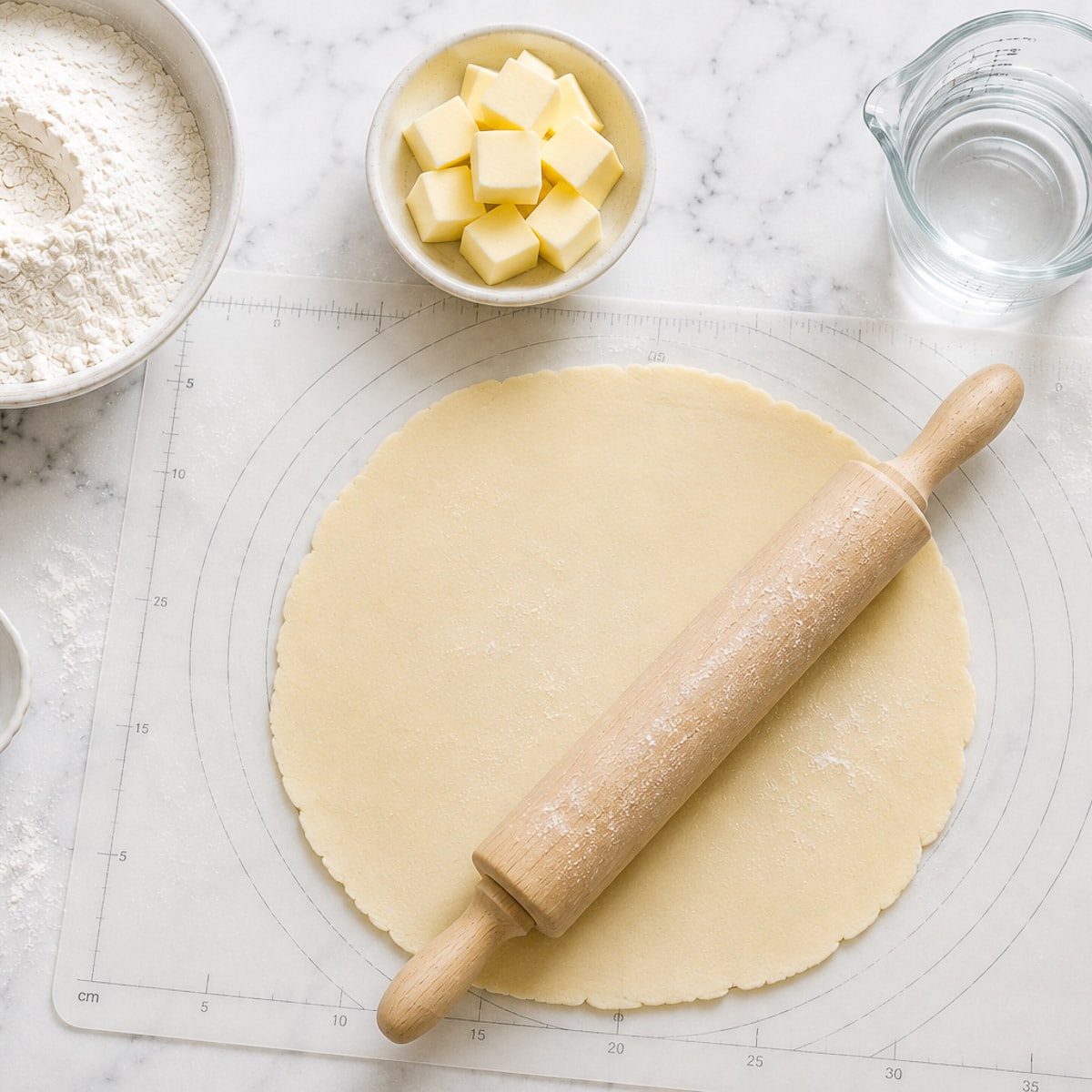
There is something very satisfying about making your own pastry from scratch. At its simplest, pastry needs only three basic ingredients - flour, butter and water - yet those ingredients can be combined in different proportions and using different techniques to produce everything from crumbly shortcrust to crisp, flaky puff pastry.
And while pastry sometimes has a reputation for being difficult to make, the basic principles are surprisingly straightforward. Once you understand what the ingredients do, why the dough needs to be handled in a particular way and how temperature affects the finished pastry, it becomes much easier to get consistent results.
In this guide, I'm going to look at the basic principles of pastry making, explain some of the science behind it, and take you through the different types of pastry and the methods used to make them. You'll also find advice on choosing the right pastry for a particular dish, along with links to my individual pastry recipes so you can put everything into practice.
Jump to:
- What is pastry?
- Understanding pastry ingredients
- What is gluten?
- The science behind good pastry
- Understanding pastry ratios
- Pastry making methods
- How to blind bake pastry
- General pastry troubleshooting tips and FAQs
- Types of pastry
- How much pastry should I make?
- Try making your own pastry
- A note about pastry quantities
What is pastry?
Pastry is a dough made primarily from flour, fat and a liquid, which can be prepared in different ways to produce a wide range of textures from crisp and crumbly shortcrust to light, flaky puff pastry. Of course, there are variations. Eggs can be added to form an enriched pastry, or sugar added for sweet versions, but the basic recipe remains flour, fat and a liquid.
There are many different types of pastry, and we'll discuss each one in more detail later in this post.
For now, it's sufficient to say that the texture of pastry depends on how fat is distributed within the flour and water network.
For a short and crumbly texture (like shortcrust), fat is rubbed thoroughly into the flour until it resembles breadcrumbs. This coats the flour particles, making it harder for the water to reach the proteins and limiting gluten formation, resulting in a tender, melting texture that snaps rather than flakes.
In contrast, a flaky and laminated texture (like puff pastry) relies on leaving large chunks of fat intact or folding a solid block of fat between layers of dough. As the pastry bakes, the water in these distinct fat layers turns to steam, forcing the separate sheets of dough upward to create hundreds of crisp, individual layers.
Unlike rolling or laminating, choux pastry uses a unique hot-mix method where flour is cooked directly into boiling water and butter before eggs are beaten in. This high moisture content creates a thick paste that traps steam during baking, causing the pastry to puff up dramatically into a hollow, crisp shell with a light and airy interior.
Understanding pastry ingredients
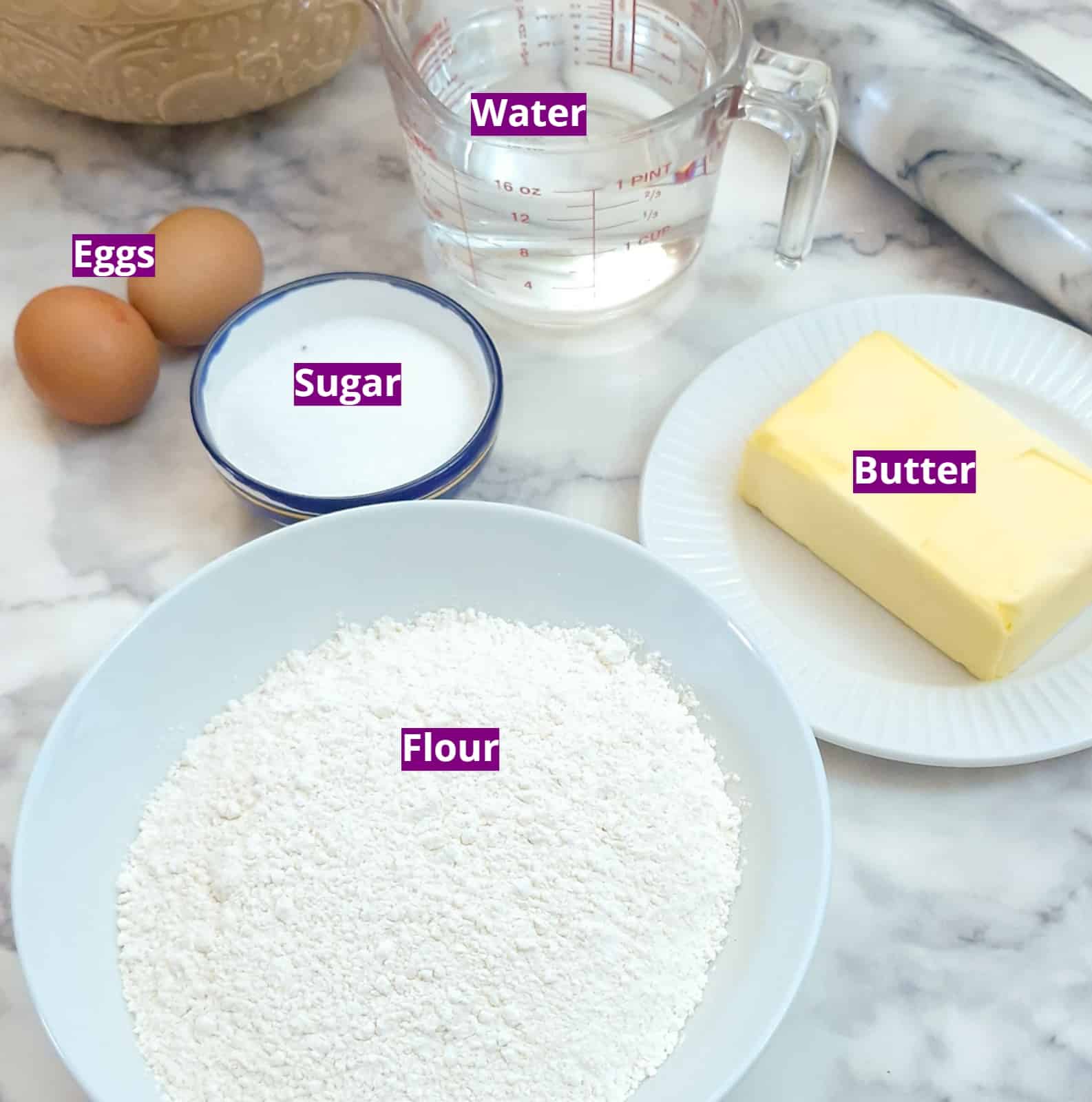
The three basic ingredients required for pastry are flour, fat and liquid. The standard ratio (for shortcrust pastry) is 2 parts flour to 1 part fat plus sufficient liquid to bind to a soft dough.
- Flour. This is normally plain or all-purpose flour. Self-raising flour contains a leavening agent (normally baking powder), which is great for cakes, as it helps them rise, but for pastry we tend not to add baking powder. You may sometimes see a recipe calling for baking powder or self-raising flour, and this is more than likely due to some specific requirement for that particular recipe. In general, when making pastry, unless specifically stated in the recipe to use baking powder or self-raising flour, you can safely use plain or all-purpose flour.
- Types of flour.
- Bread flour (strong white flour). This has a higher protein content than plain flour and develops more gluten, producing a stronger, more elastic dough. This makes it ideal for bread, but it isn't normally the first choice for everyday pastry unless a recipe specifically calls for it.
- Plain or all-purpose flour. This has a moderate protein content and is the flour most commonly used for making pastry. It provides enough gluten to give the pastry structure without making it excessively tough.
- Pastry flour. This is a lower-protein flour designed to produce tender baked goods. It is commonly available in North America but isn't something UK bakers normally need to buy specifically - ordinary plain flour works perfectly well for the pastries we're discussing in this article.
- Fat. This is sometimes referred to as shortening, and it can be either butter, lard or baking margarine. Please note: if using margarine, the pack should state 'baking margarine' or 'for cakes and pastries' or 'for baking'. Soft spreads that you use for sandwiches will not be suitable.
- Lard is 100% animal fat and is quite tasteless. However, it does provide the best texture for pastry. Lard is 100% fat and therefore has a 0% water content.
- Butter - this provides the best flavour. You can choose to use either all butter (which gives a better flavour) or a mixture of lard and butter (for a better texture). Butter can also be either salted or unsalted. If using salted butter, you should omit the salt from the recipe. Butter has a 10% to 15% water content.
- Margarine - margarine is an acceptable fat to use for making pastry, but as it is much softer than butter, it may not coat the flour as well as butter or lard, and your pastry may tend to become greasy.
- Liquid. This is normally milk or water. You will probably find you need between 2 and 4 tablespoons of milk or water (or a mixture of both) for each cup of flour. The actual amount will depend on the strength of the flour - different brands absorb water differently.
💡 Top tip when adding liquid to pastry
Don't add all the liquid at once. Add ¾ of the liquid stated in the recipe and only add the remaining liquid if the pastry doesn't come together in a soft ball.
Too much liquid means the pastry will become sticky and you will have to add more flour to compensate, which will upset the ratio of flour to fat. This can result in hard, dry pastry.
Additional ingredients
Other ingredients you can add to pastry include things like eggs and sugar.
- Sugar. Sugar is added to some shortcrust recipes to create a sweeter crust, and is normally used when baking sweet tarts. Icing sugar is sometimes used in place of sugar and will create a softer pastry.
- Salt. If using unsalted butter, you might like to add a pinch of salt to the pastry.
- Eggs. Eggs, either whole eggs or just an egg yolk, can be added to both sweet and savoury pastry.
- Structure. The protein in egg whites sets as the pastry bakes, providing strength and helping the pastry hold its shape.
- Richness. The fats in the yolk soften the dough, keeping the pastry tender rather than crispy.
- Moisture. The moisture content of the eggs helps to bind the pastry. If you are using eggs in your pastry, you will need less liquid.
Once you've mastered the basics of pastry making, the sky's the limit. You can add cheese for a savoury pastry, herbs for additional flavour, or even use yoghurt instead of milk or water for the liquid component.
What is gluten?
Before we continue, it might be helpful if I explain what gluten is, and the effect it has on pastry.
Gluten is a Latin word meaning 'glue', and it is formed when flour is mixed with water. Gluten is what gives wheat pastry its structure and elasticit and holds the pastry together..
Wheat flour naturally contains proteins, two of which are glutenin and gliadin. In their natural form, they do nothing. However, when flour is mixed with water, these two proteins combine to form strands of gluten, and it is the gluten that provides structure to baked foods such as pastry. Different types of flour will contain more or less of these proteins, depending on the type of wheat used.
A certain amount of gluten is necessary to enable the pastry to hold together. The less gluten, the flakier and softer the pastry. However, too little gluten and the pastry will fall apart easily; too much gluten and the pastry will be tough and chewy.
How does gluten form?
Hydration starts the formation of gluten; as soon as the protein molecules come into contact with liquid, gluten starts to form. Mixing and kneading then encourage the gluten network to develop and become more elastic. This is why most pastry recipes, especially shortcrust recipes, tell you to handle the pastry as little as possible whilst you are mixing it.
Shortening (or fat) also helps in preventing the formation of gluten. One of the first steps in making pastry is to rub the fat into the flour. This forms a protective coating on the flour and prevents too much moisture from being absorbed when wet ingredients such as water or eggs are added. Coating the flour with fat means that less gluten is formed, resulting in a more tender pastry.
In bread-making, on the other hand, the dough is deliberately kneaded to develop a strong elastic gluten network. Compare the texture of a loaf of bread with the pastry on a slice of apple pie. There's a world of difference.
Remember - pastry has to have a certain amount of gluten in order to provide structure, but we need to limit its production so we don't end up with tough, chewy pastry.
Different flours have different gluten content
Finally, the type of flour that you use for making pastry has a part to play in determining the texture of the finished product.
- Bread flour contains the most protein and the bread dough is kneaded and worked to develop the gluten to give bread its characteristic texture
- Wholewheat flour has a high protein content, but the seeds and bran contained in the flour tear the gluten strands as they form. If you compare a slice of wholewheat bread with a slice of white bread, you will see the texture of wholewheat bread is much more crumbly than the white bread.
- All-purpose flour has less protein and can be used for either bread or pastry
The science behind good pastry
Why should pastry be kept cold?
When we say pastry must be kept cold, it's the fat content that we are talking about. We want the fat to be as cold as possible before the pastry goes into the oven. In shortcrust pastry, keeping the fat cold helps preserve the crumbly texture created when the fat is rubbed into the flour. In puff and flaky pastries, keeping distinct pieces or layers of fat cold is essential because the water in the butter turns to steam in the oven and helps separate the layers.
💡 Steps to Fix Warm or Sticky Dough
- The Quick Chill: Wrap the dough in plastic wrap and place it in the freezer for 10 to 15 minutes, or the fridge for 30 minutes.
- Dust with Flour: If it is still sticky after chilling, lightly dust your hands, rolling pin, and counter with a tiny amount of flour.
- Use Parchment Paper: Roll the warm dough between two sheets of greaseproof paper to prevent sticking without adding too much extra flour.
- Ice Your Hands: Wash your hands in ice-cold water and dry them thoroughly before touching the dough again to stop your body heat from melting the fat.
Why does pastry become tough?
There are a few reasons why pastry can turn out tough:
- Overworking the dough. Mixing, kneading, or even handling the dough too much will develop gluten, resulting in a tough, chewy pastry. Stop mixing the moment the dough comes together in a shaggy ball, then press it gently but firmly into a smooth ball.
- Too much liquid. Excess water not only activates extra gluten, but also makes your dough become sticky, forcing you to add extra flour, which upsets the balance of flour and fat. Add the liquid a little at a time until the dough just comes together.
- Warm fat or kitchen. If your butter or shortening gets too warm, it melts into the flour instead of staying in solid pieces (flaky pastry) or coating the flour properly (shortcrust). Make sure your ingredients are ice-cold, and if rubbing in the fat by hand, rinse your hands under cold water to cool them down. (And don't forget to dry them thoroughly!)
- Not enough fat. Too little fat in the pastry will cause the dough to become dry and crumbly.
- Not resting the pastry after mixing. We've all seen the instruction 'allow the pastry to rest in the refrigerator for half an hour before rolling out'. Do you actually know why pastry needs to rest? I'll tell you:
- Resting the pastry allows the gluten to relax. Think of gluten as being like rubber bands. Mixing the dough causes the bands to stretch and become taut; resting the dough allows them to relax. This means rested pastry will roll out more easily without fighting back.
- Prevent shrinking. Another reason for resting, although similar to the previous one, is that resting the pastry helps to prevent it from shrinking as it bakes (the rubber bands have relaxed and won't pull the pastry out of shape in the oven).
- Firming the butter. Chilling the dough gives the butter time to firm up so that when it hits the hot oven it can melt and create steam pockets for a flaky texture.
- Even hydration. Resting gives the flour time to absorb the moisture evenly, which helps eliminate dry patches and makes the dough smoother and easier to roll.
Understanding pastry ratios
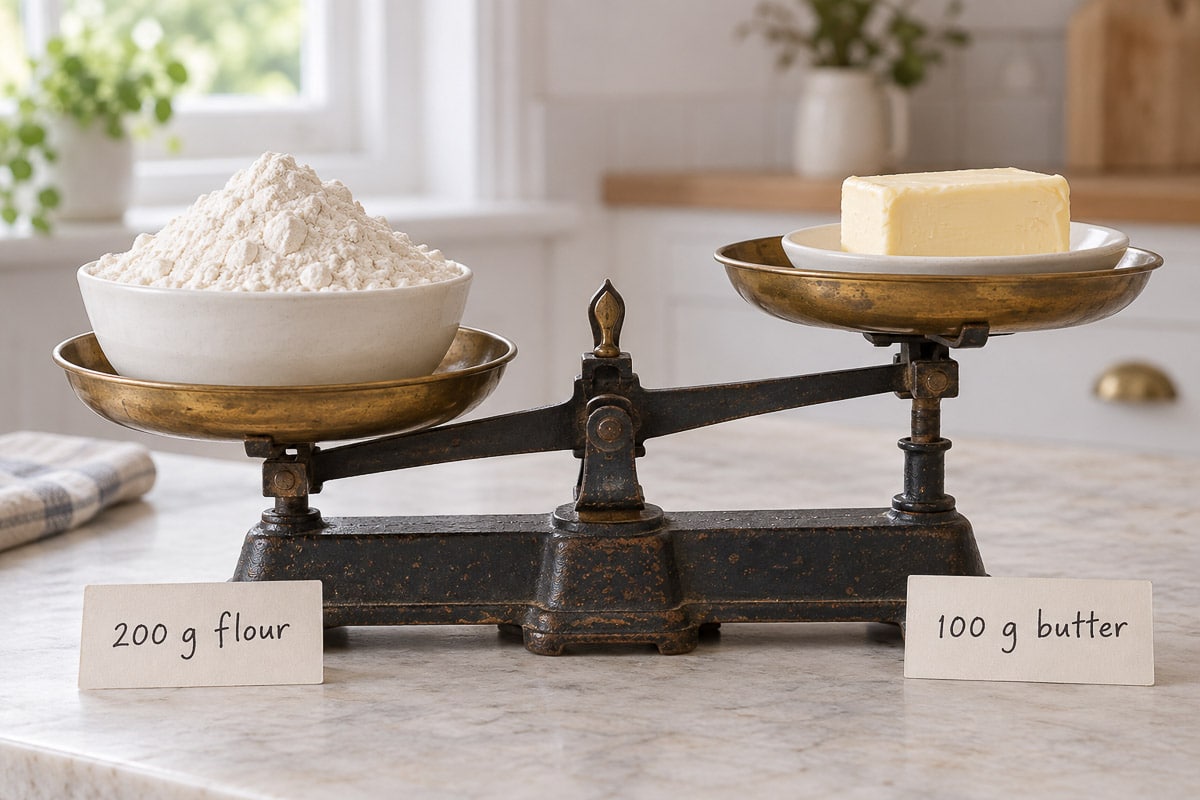
Let's talk about pastry ratios, or the ratio of flour to fat. If you want to make perfect pastry, it's important to get the balance right.
Basic shortcrust has a ratio of 2:1; that's 2 parts flour to 1 part fat. For example, 200 grams of flour would require 100 grams of fat, while 300 grams of flour would require 150 grams of fat.
Different types of pastry can have different ratios of flour to fat, for example puff pastry uses a ratio of 1:1, or equal quantities of flour and fat.
We'll discuss the ratios in more depth as we get onto the different types of pastry, for now, it's enough that you understand that it's important.
And this is why I prefer to weigh ingredients when making pastry. Ratios such as 2 parts flour to 1 part fat are based on weight, not volume. A cup of flour does not weigh the same as a cup of butter because the two ingredients have different densities. This means you can't simply translate a 2:1 ratio into 2 cups of flour and 1 cup of butter and expect the same result. For pastry ratios to work correctly, the ingredients should be weighed in grams or ounces. If you normally measure in cups, don't worry - I provide the appropriate cup measurements in the individual pastry recipes on this website.
Pastry making methods
Not all pastry is made in the same way. Depending on the result we are looking for there are lots of different ways of mixing pastry.
Rubbing-in method
This method is commonly used when making shortcrust pastry.
- This is where the fat is rubbed into the flour before the liquid is added.
- There is a reason for this. As I mentioned above, gluten is formed when the proteins in the flour react with water. Rubbing the fat into the flour actually coats each tiny grain of flour with fat, effectively slowing the liquid from reacting with the gluten.
Creaming method
This method is commonly used when you are looking for sweet tart cases and other pastries where a crisp, biscuit-like shell is wanted. You may hear this pastry referred to as Pate Sucree
- The fat (usually softened butter) and sugar are beaten together until light, fluffy, and pale before any liquids or flour are added.
- Then the eggs and/or liquids are beaten in gradually to form a smooth cream.
- Finally, the flour is added and mixed very quickly to incorporate it. Because the flour gets coated immediately in the fat and sugar cream mixture, it cannot easily develop gluten.
Lamination/folding
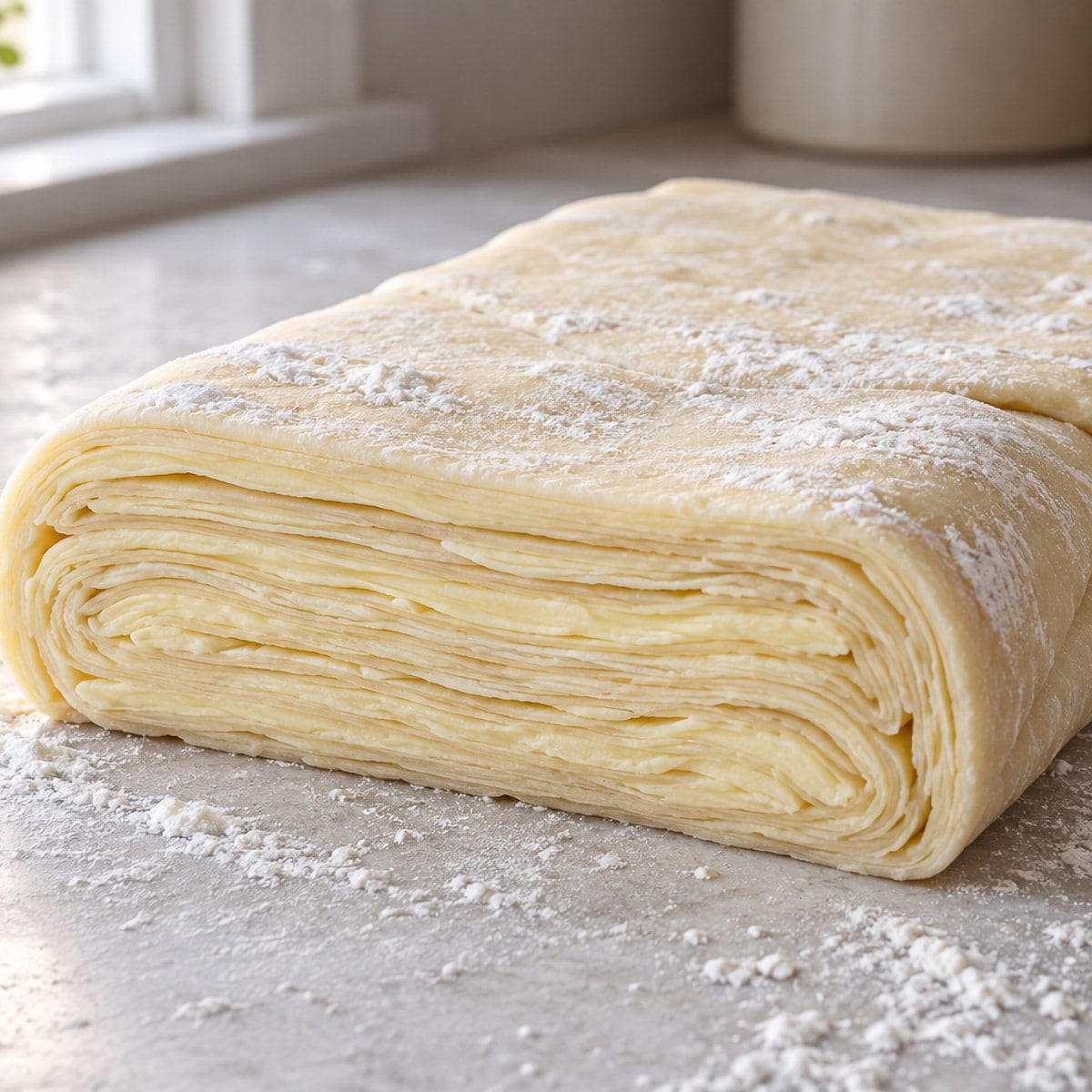
Puff pastry, rough puff and flaky pastry all use a similar method of rolling, folding and laminating. The difference is in how the fat is incorporated.
Puff pastry
- For puff pastry, flour and water are combined to form a smooth dough, which is rolled out into a rectangular shape. The fat is flattened between sheets of greaseproof paper until it is half the size of the pastry.
- The fat is placed in the middle of the pastry, and then enclosed by folding the sides of the pastry over it.
- The pastry goes through a roll-and-fold process, which involves rolling into a rectangle, folding into 3 and giving a quarter turn
- This process is normally repeated 4 times, with the pastry being well chilled for 2 hours after every 2 folds.
It's a time-consuming exercise, and unless you're very dedicated, I'd probably recommend buying ready-made puff pastry in the supermarket. My theory is that if it's good enough for the likes of Jamie Oliver and Gordon Ramsay, then it's good enough for me!
Rough puff pastry
- Rough puff pastry uses a similar method of folding and laminating, but instead of starting with one block of butter, small cubes of fat are combined with the flour to form a dough, which is rolled, folded and chilled similar to the way in which puff pastry is made.
Flaky pastry
This is another variation of folding and laminating the pastry, but it is a bit faster than puff or rough puff because it doesn't require chilling in between the folds.
- The fat is divided into quarters. One quarter is combined with flour and water to form a smooth dough.
- The dough is rolled into a rectangular shape, and one quarter of the fat is cubed and dotted over the top two-thirds of the pastry.
- The pastry is then folded in three - like a letter - with the uncovered piece folded to the middle and the top piece of pastry folded down.
- The pastry is given a quarter-turn, rolled and folded again, and this is repeated 4 times in total.
- The pastry is left to chill for half an hour, and then it is ready for use.
Grating method
If I don't have shop-bought puff pastry, I use this method to create my own 'cheat' version. It's quick and easy, and works well.
- Quick puff or quick flaky pastry is often made by grating very cold or frozen butter into the flour before adding the liquid. Unlike traditional puff or flaky pastry, it does not rely on repeated rolling and folding to create the layers.
Hot water method
This is a strong, heavy pastry, particularly useful for raised pork pies and other substantial pies where the pastry needs to be strong enough to support a heavy filling.
- Water and fat are heated in a saucepan until the fat has completely melted and the liquid comes to a rolling boil.
- This is poured into the flour and stirred to form a cohesive dough.
- The dough is kneaded gently while still warm to build elasticity and then rolled or shaped while still warm to form the casings for the pies.
- Hot-water crust is normally shaped while it is still warm and pliable, as it becomes firmer and more difficult to work as it cools.
Choux pastry
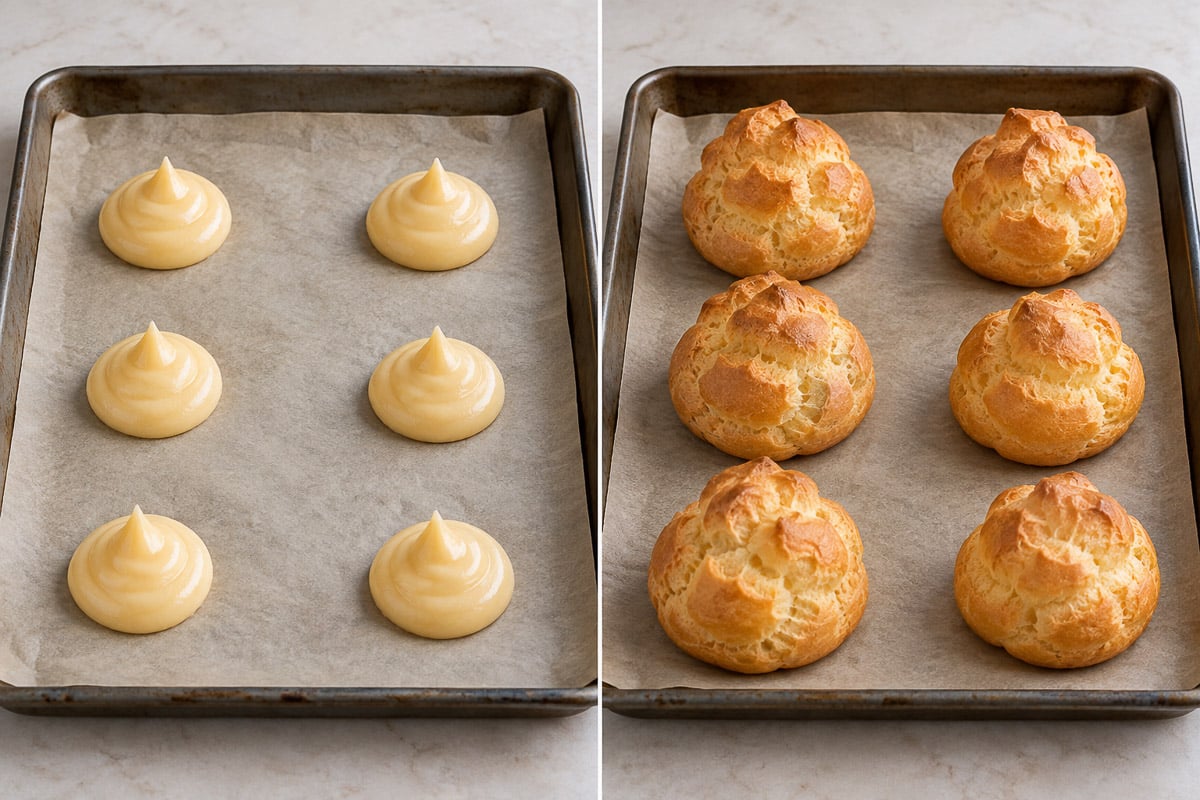
Choux pastry is made using a completely different method from most other pastries. Rather than rolling out a dough, the ingredients are cooked to form a soft paste which is piped or spooned into shape before baking. It is used for sweet pastries such as éclairs, profiteroles and cream puffs, and savoury pastries such as gougères.
- Water and butter are heated in a saucepan until the butter has melted and the liquid comes to the boil.
- Flour is added all at once and beaten over the heat until the mixture forms a smooth ball and pulls away from the sides of the pan.
- The mixture is allowed to cool slightly before beaten egg is added gradually to form a smooth, glossy paste.
- The choux is piped or spooned into shape and baked in a hot oven. The high moisture content creates steam, which causes the pastry to rise and form its characteristic hollow centre.
How to blind bake pastry
What is blind baking?
Blind baking simply means baking the pastry shell before adding the filling. This will help to ensure that the filling doesn't soak into the pastry, which could result in a 'soggy bottom', which nobody wants!
When blind-baking, the pastry is lined into the baking tin and then covered with a layer of baking parchment. Ceramic baking beads, or even just plain dried beans, are placed on top to weigh the pastry down and prevent it from rising as it bakes.
You would typically blind-bake your pastry shell if you have a very runny filling that may lead to your pastry becoming soggy, or if the filling takes less time to bake than the pastry needs to cook.
Instructions to blind-bake a pastry shell
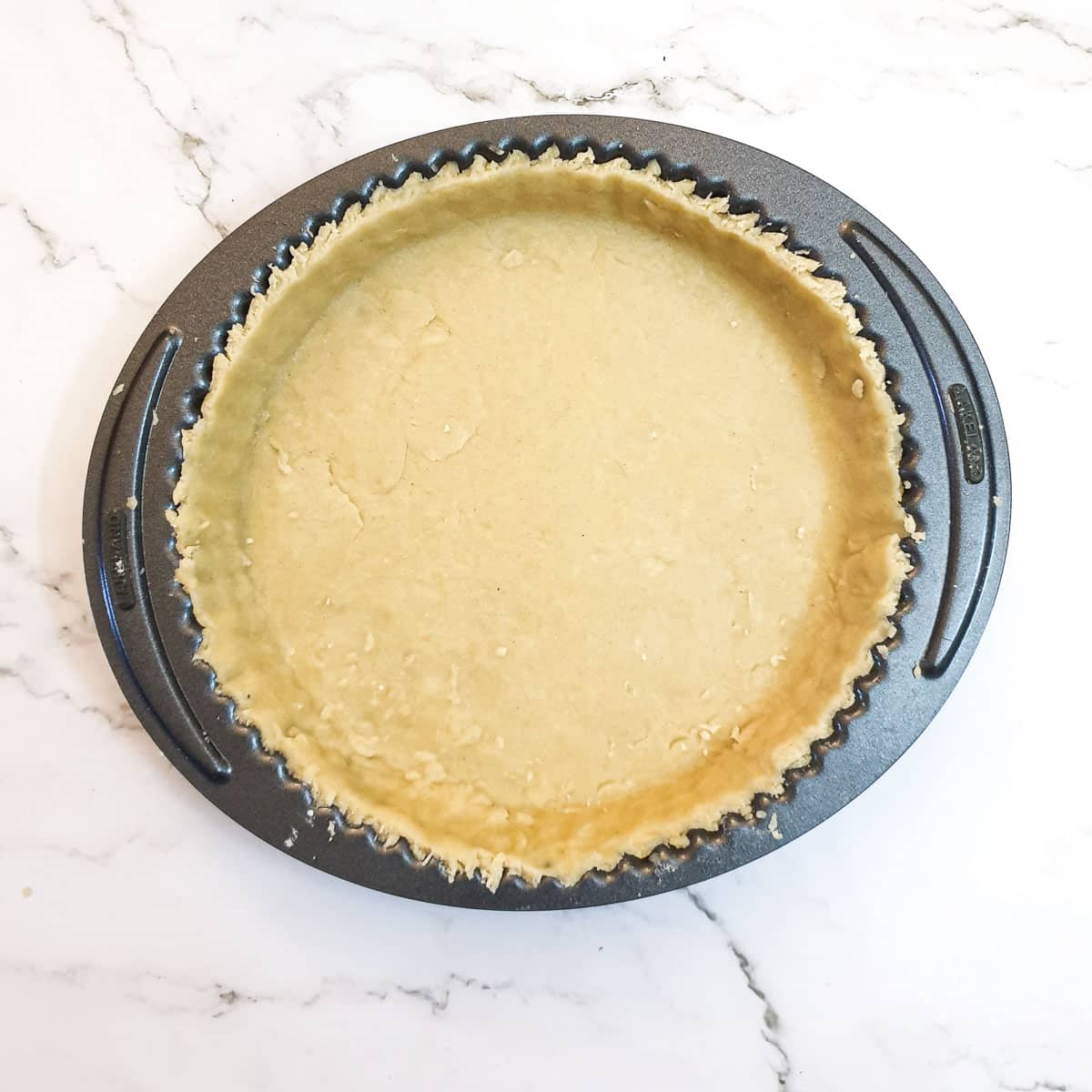
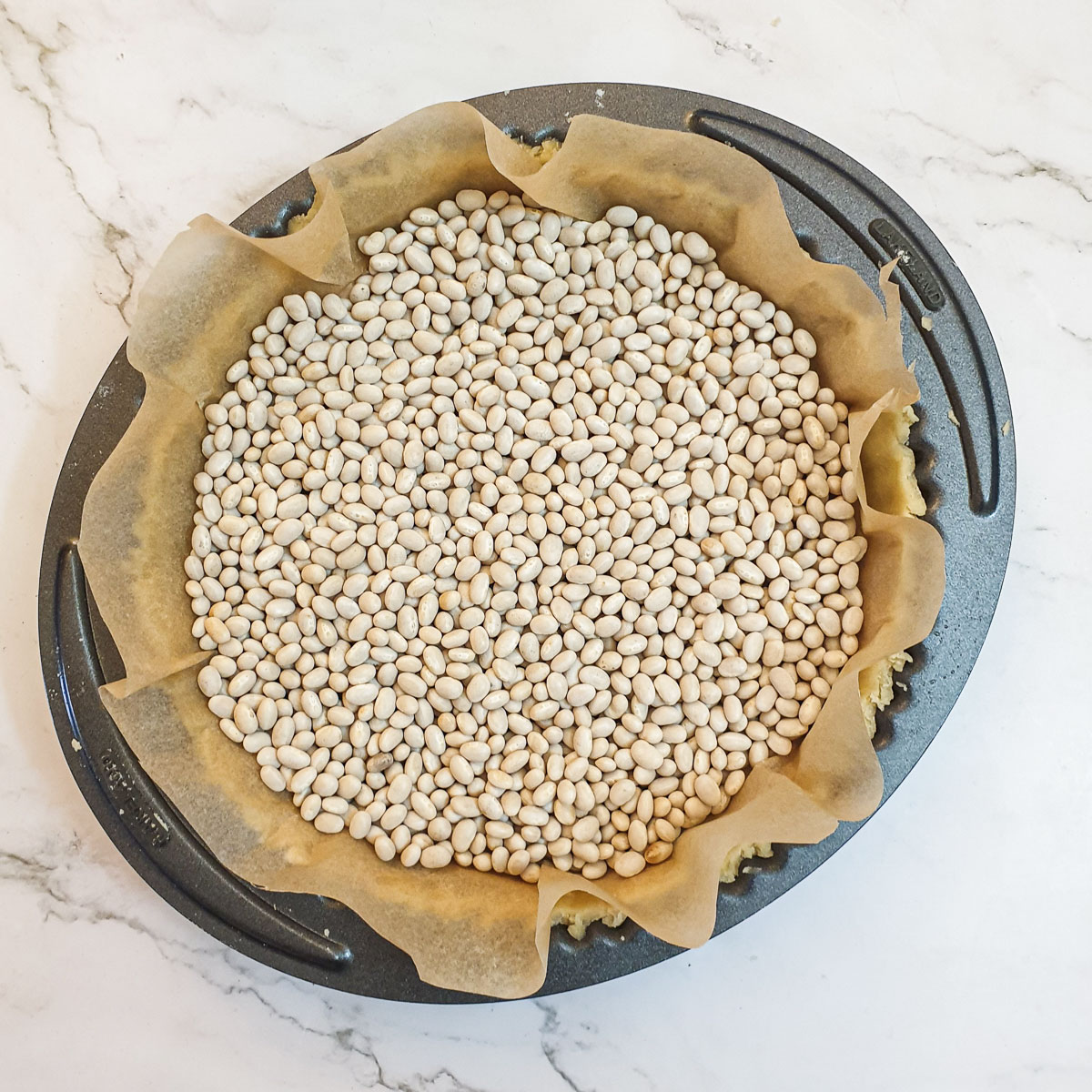
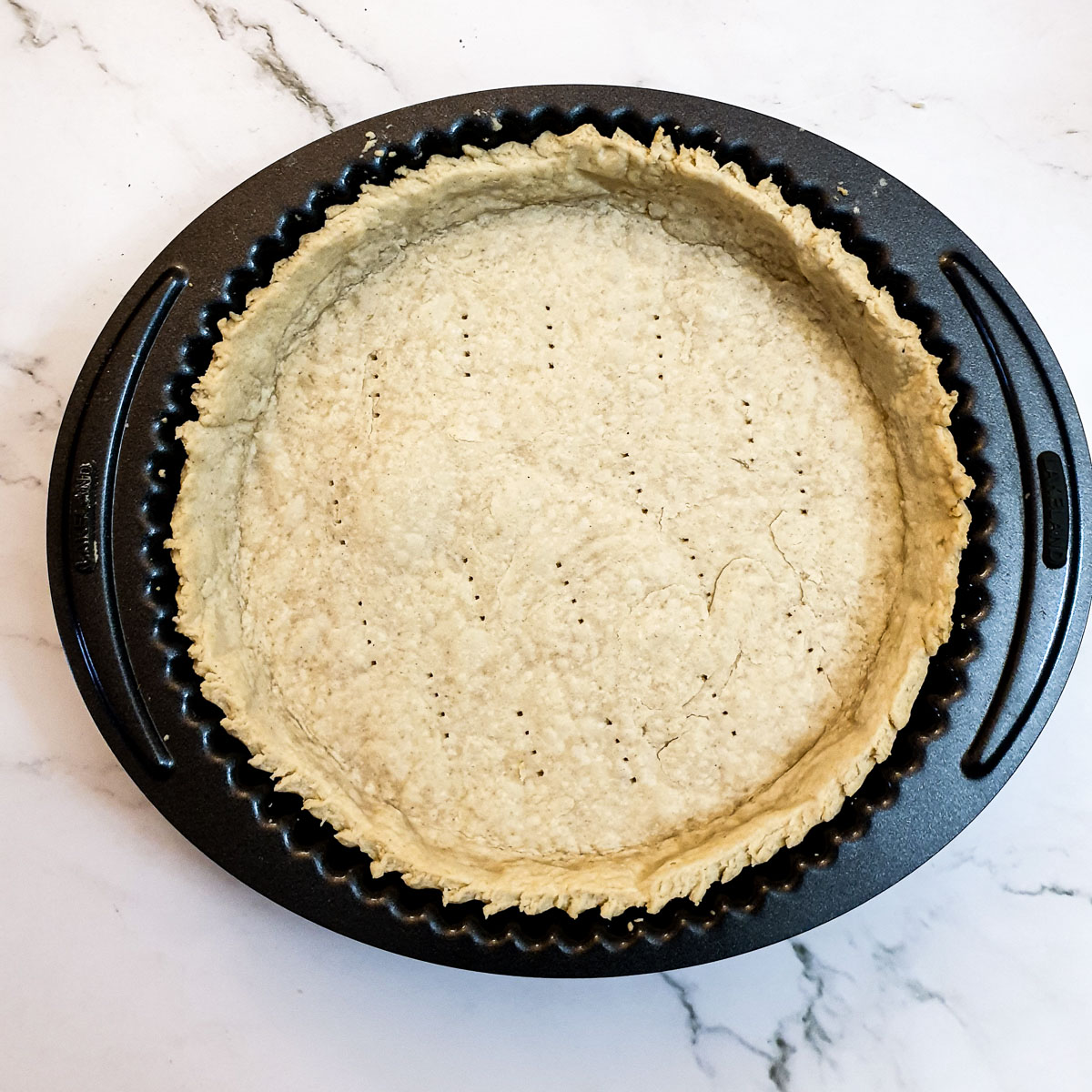
- Preheat the oven to 200C / 400F /Gas 6.
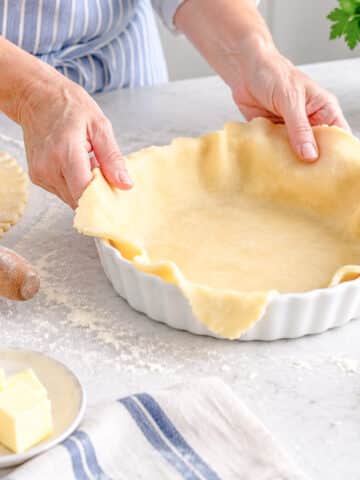
- Line your baking tin with pastry.
- Prick the bottom of the pastry lightly with a fork. This will help ensure the pastry does not rise.
- Cut a circle of baking parchment larger than the size of your pan so that there is sufficient paper for the edges to overhang.
- Crumple the baking parchment, smooth it out again, and arrange it over the uncooked pastry.
- Cover the baking parchment with a layer of baking beans to weigh the pastry down and prevent the bottom from rising.
- Bake for 10 minutes in the preheated oven, then remove the beans and paper and bake for a further 5 to 10 minutes until the pastry is light golden.
- Remove the pastry from the oven and allow it to cool before adding your filling and continuing with the recipe.
General pastry troubleshooting tips and FAQs
We've all heard of 'Murphy's Law', which states that if anything can go wrong, it will!
Here are a few tips that might just help you fix what went wrong, and hopefully prevent it from happening in the future.
This sounds as though the dough could be too dry. Was your ratio of flour to fat correct? Did you add sufficient water? If the dough cracks and falls apart when you try to roll it, add a little water, no more than 1 teaspoon at a time, until it holds together. Don't add too much or the pastry may become sticky.
The pastry may contain too much liquid or the fat may have become too warm. Chill the dough in the refrigerator before adding more flour. If it is still sticky, lightly dust the table and the rolling pin with flour. You could also coat your hands with flour and gently roll the ball of dough between your palms to try and incorporate a little flour.
Very cold pastry can be too firm to roll and may crack around the edges. Let it stand at room temperature for a few minutes before trying again. If it still crumbles, then it may be too dry and may need a little moisture - see why is my pastry too crumbly to roll above.
Pastry can shrink if the gluten has been overdeveloped or the dough hasn't been allowed to rest. Stretching the pastry to fit the pan can also cause it to spring back during baking. Ease it gently into the pan rather than pulling it into place, and chill the lined pan before baking.
A wet filling can soak into the pastry before it has had time to crisp in the oven. Depending on the recipe, blind-baking the pastry case can help. For pies that aren't blind-baked, make sure the cooked fillings are cooled before adding them and bake the pie on a well-heated baking tray to give the base an immediate burst of heat.
This can happen if the dough is too wet, the pan is unsuitable, or a sugary filling has leaked between the pastry and the pan. Most buttery pastries contain sufficient fat to release readily, but lightly greasing the pan can help where a particular recipe recommends it.
This is particularly common with puff, rough puff and flaky pastry, which have a high butter content. The butter may have become too warm before baking, or the layers may have been damaged during rolling. Chill the pastry thoroughly before putting it into the oven. Top tip: This is a great idea if you're making sausage rolls - half an hour in the fridge before they bake can make a huge difference to the amount of fat that cooks out.
The pastry may simply need longer in the oven, but an egg or milk wash can also encourage browning. Egg gives a deeper, shinier finish, while milk produces a softer golden colour. Take care not to let egg wash run down the cut edges of a laminated pastry as this can stick the layers together and restrict the rise.
Types of pastry
Let's take a closer look at the different types of pastry and where you would typically use them. Bear in mind that this is only a general guide. The exact texture and behaviour of a pastry will vary depending on the proportions and ingredients used. For example, a pâte sucrée made with more butter or yolk will be richer and more tender than a leaner version. Likewise, the amount of rise you get from puff or rough puff will depend on both the recipe and the way the pastry is made.
| Types of pastry | Typical texture | Best for |
|---|---|---|
| Basic shortcrust | Crisp, tender, crumbly | Savoury pies, quiches |
| Sweet shortcrust | Crisp, crumbly and slightly sweet | Fruit pies, tarts |
| Enriched shortcrust | Richer and more tender than basic shortcrust | Special pies and tarts |
| Pâte sucrée | Tender and buttery | Rich sweet tarts and desserts |
| Puff | Well-risen, very flaky | Vol-au-vents, palmiers |
| Rough puff | Moderately well risen, flaky | Sausage rolls, pie lids |
| Flaky | Nicely risen - very flaky | Pasties, turnovers |
| Quick flaky pastry (grated-butter method) | Similar to shortcrust, but with a flakier texture | Everyday pie lids and sausage rolls |
| Hot water crust | Sturdy and strong | Pork pies |
| Suet pastry | Soft | Jam roly poly, pie lids |
| Choux | Light and airy | Profiteroles, eclairs |
| Filo/phyllo | Paper-thin, crisp and delicate | Baklava, strudels and layered pies |
How much pastry should I make?
This is a difficult question to answer because it will depend on how thinly you rolled the pastry.
Use this table as a general guide to line and cover a round 2-inch dish with straight sides.
| Dish diameter | Flour | Fat |
|---|---|---|
| 7" / 18 cm | 230g / 8.2 oz / 1.6 cups | 115g / 4.1 oz / .5 cup |
| 9" / 23 cm | 350g / 12.3 oz / 2.5 cups | 175g / 6.2 oz / .75 cups |
| 12" / 30cm | 570g / 20.1 / 4 | 285g / 10.1 oz / 1.25 cups |
Any leftover pastry can be frozen in a freezer bag. Top up the bag with more leftover pastry from time to time, and before you know it, you will have sufficient pastry to make a pie. To use the pastry, simply let it come to room temperature before rolling it.
Most recipes will provide a list of the ingredients needed for the pastry called for.
For an accurate estimate that covers various sizes of dishes, use my shortcrust pastry calculator to work out the amount of pastry to use.
Enter the shape and measurements of your dish, including its depth and whether the sides are straight or sloping. The calculator will estimate how much flour and fat you need for shortcrust pastry to line the base and sides. You can also choose to include a lid.
Try making your own pastry
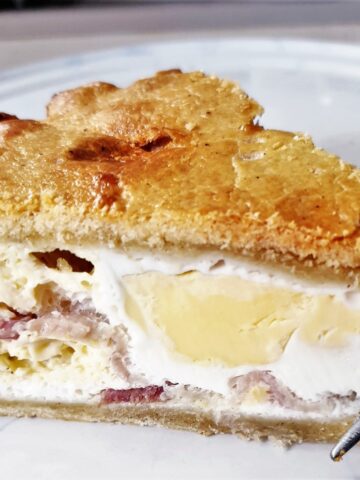
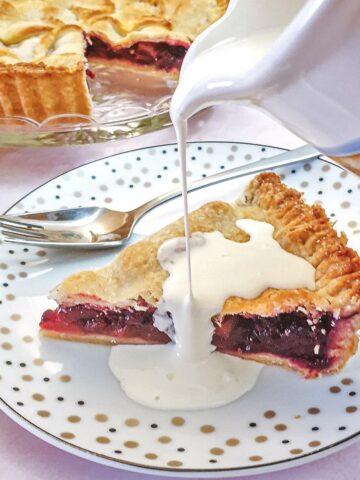
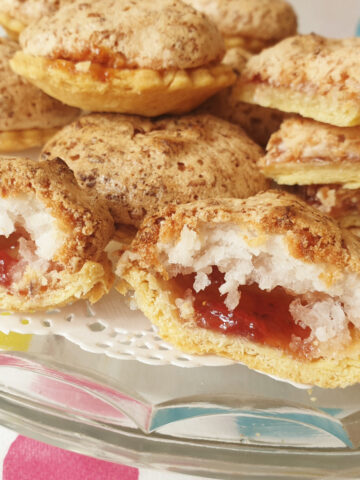
Here are a few recipes using homemade pastry that you might like to try:

A note about pastry quantities
These recipes were published before I developed the shortcrust pastry calculator, so the amounts of pastry they use may differ from the calculator's estimate. The calculator also allows for the shape and depth of your dish, which may differ from the one I used in a recipe.
I hope this ultimate guide to pastry has helped to make sense of the different types of pastry and how they work. Once you understand what the ingredients and methods do, it becomes easier to choose the right pastry for your recipe and work out what might have gone wrong if it doesn't turn out quite as expected.
If you've got any favourite tips and tricks for making your own pastry, please let me know in the comments. I'd love to hear from you!

Did you make this recipe? Let me know!