
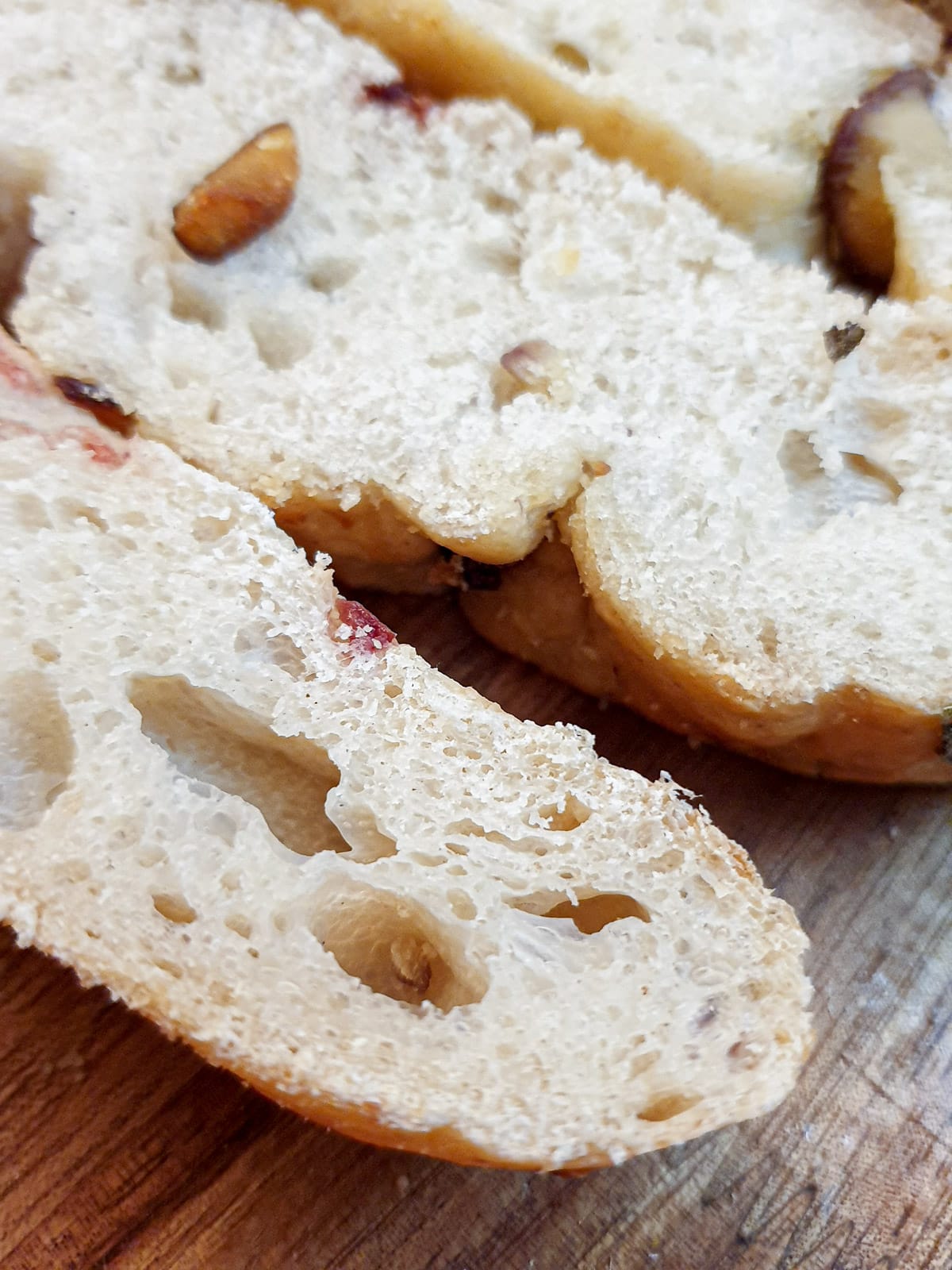
Chestnut and cranberry focaccia will make a delightful addition to your Christmas cheese platter. This is a soft and chewy bread with a light and airy crumb, packed with chopped chestnuts and cranberries for festive appeal and sprinkled with fresh sage for additional flavour.
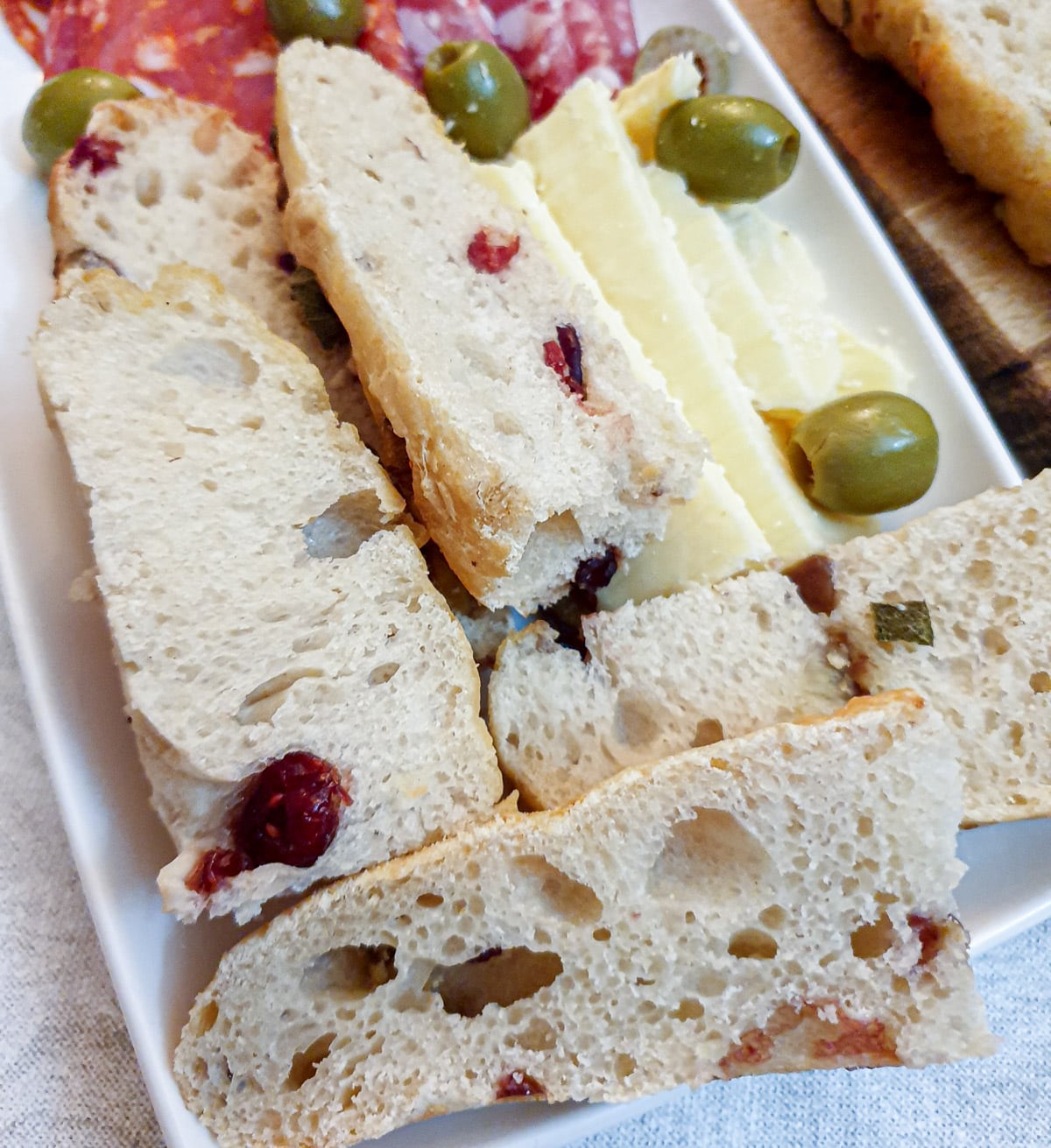
This chestnut and cranberry focaccia is one of the tastiest (and dare I say easiest) yeast bakes I've made this year.
All it takes is a bit of a mix and 5 minutes of kneading to mix the dough. Then just leave it to rise before stirring in the chopped cranberries and chestnuts. Layer it in a baking dish, leave for another hour and then put it in the oven to bake for 20 minutes. You don't even have to get out your stand mixer!
And what you end up with is the softest, chewiest and most delicious focaccia that is absolutely packed with Christmas flavours. This chestnut and cranberry foccacia is perfect for eating with a slice of cheese or cold meat, or simply slathering with butter for a satisfying snack.
And once it starts to go stale after a day or two, you can simply pop it in the toaster. It makes great toast.
Do factor in the rising time when making this focaccia. It needs a first proof of a minimum of 2 hours, but you could leave it as long as overnight. The second proof should be for a minimum of one hour. I would advise you either start early in the morning or mix it later in the day and let it have the first proof overnight.
If you are looking for other easy recipes to liven up your Christmas platters, why not try these easy seeded crackers? They are made with nothing but seeds and are delicious when spread with my homemade mushroom pate.
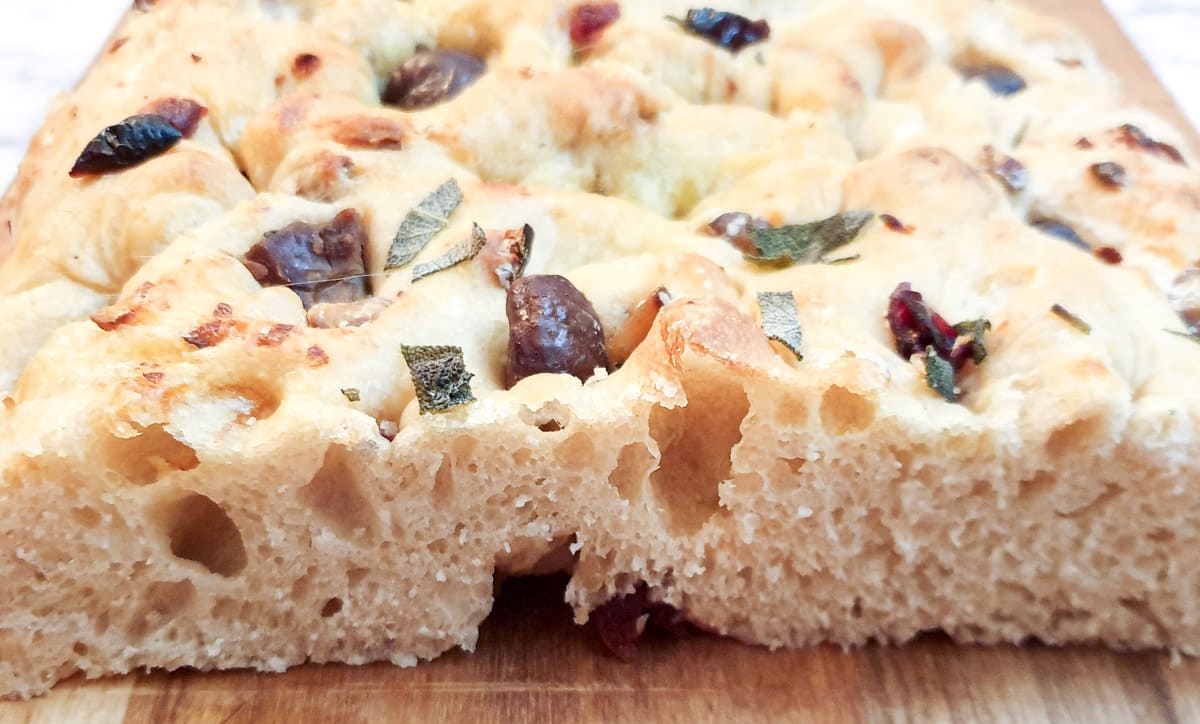
Table of Contents
Ingredients
This recipe will make one 8" x 10" focaccia.
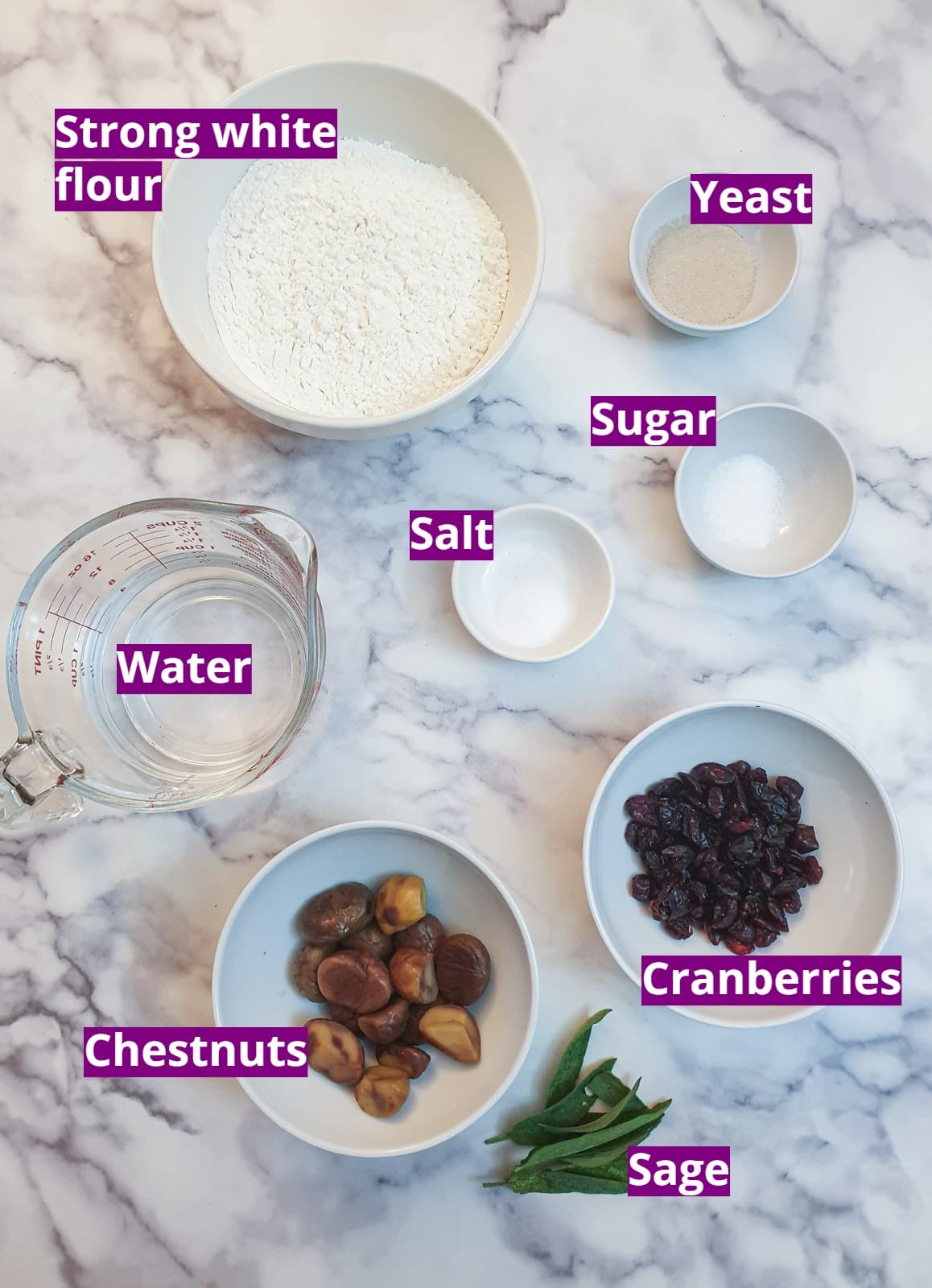
- Strong white flour - you may find this marked as 'bread flour' in the supermarket. It contains a higher protein content than plain or all-purpose flour, which means it will give a better structure and texture to the bread.
- Yeast - I always use instant dried yeast granules because I can store them for longer in the cupboard. You can substitute with fresh yeast, but you will need about 3 times the amount.
- Sugar - not too much, just enough to help activate the yeast.
- Salt - to your own taste, but a little salt added with the flour does enhance the flavour of the bread.
- Water - the temperature should be lukewarm.
- Cranberries - I used vacuum-packed cranberries. You can substitute with fresh if you prefer. I found the cranberries I used had the texture of soft sultanas. If you use cranberries that are harder than this you may like to soak them in water for an hour or two to re-hydrate them.
- Chestnuts - Once again, I used vacuum-packed chestnuts. If you would like to use fresh chestnuts you should roast them first. My guide for how to roast chestnuts gives step-by-step instructions.
- Sage - a few sage leaves, finely chopped and sprinkled on top of the focaccia not only gives a festive appearance to the bread but also adds an extra element of flavour. Leave the sage out if you don't like the taste.
- Olive oil - not pictured and optional - I like to drizzle a little olive oil over the bread before baking it, and also another tablespoon of oil when the focaccia comes out of the oven.
**You can get the ingredient quantities on the printable recipe card at the end of this post**
What to do
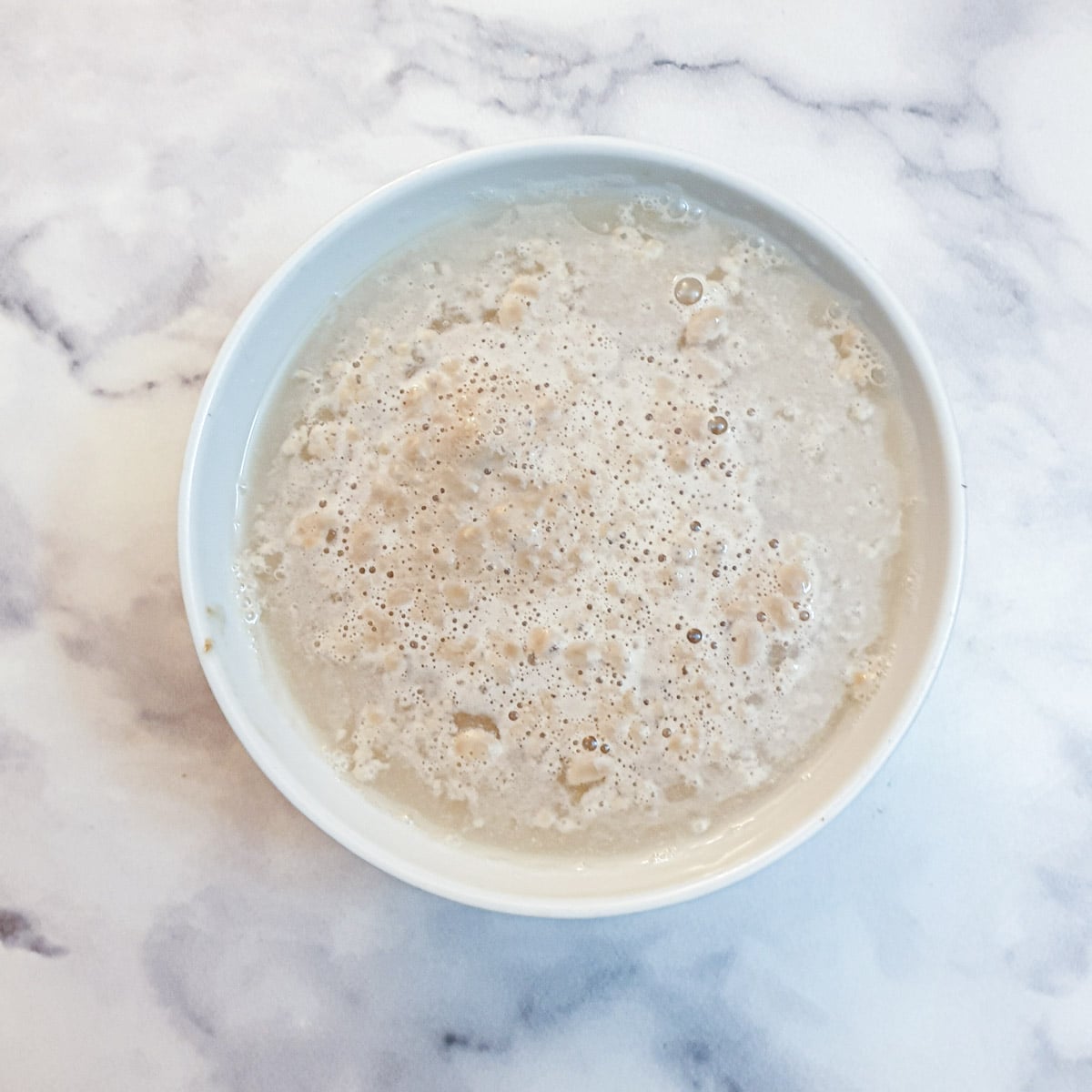
Test the yeast by mixing it with the water and sugar in a small bowl. Let it stand for 5 minutes until it becomes foamy on top. If the yeast doesn't foam it means that it is dead and your bread won't rise. Go and buy some more yeast and start again!
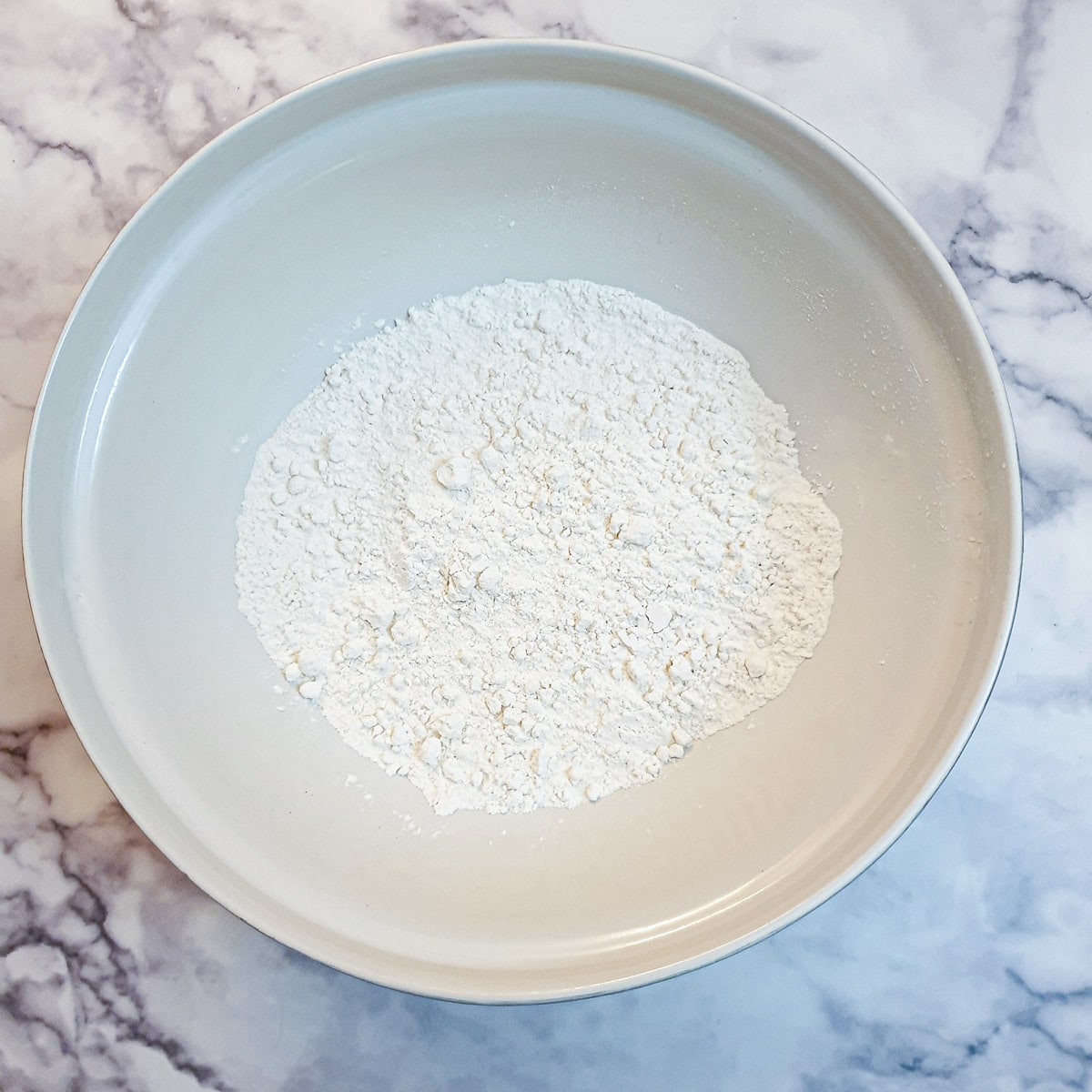
Combine the flour and salt in a large mixing bowl. Mix the salt through the flour so that it doesn't come into direct contact with the yeast.
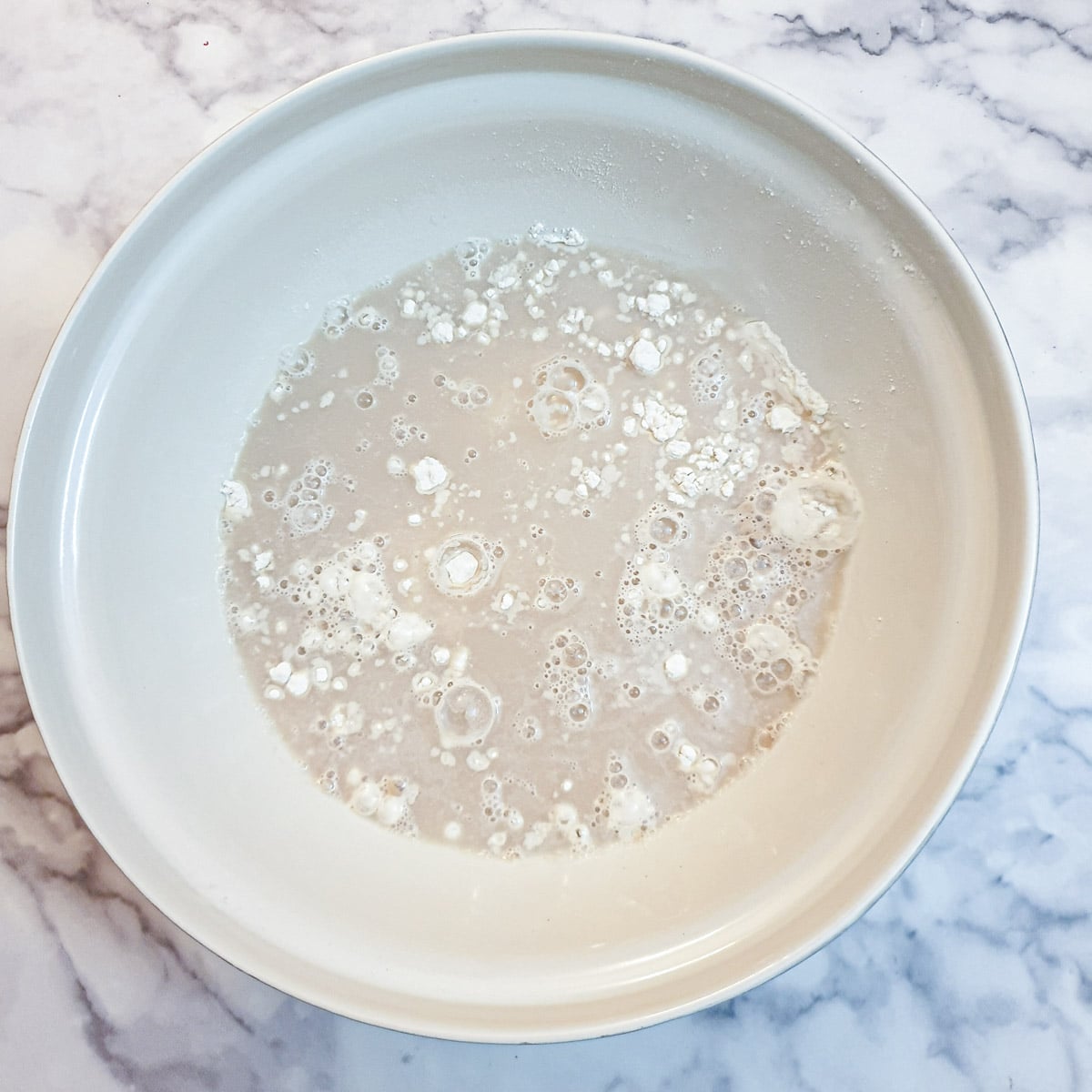
Tip the yeast and water mixture into the flour.
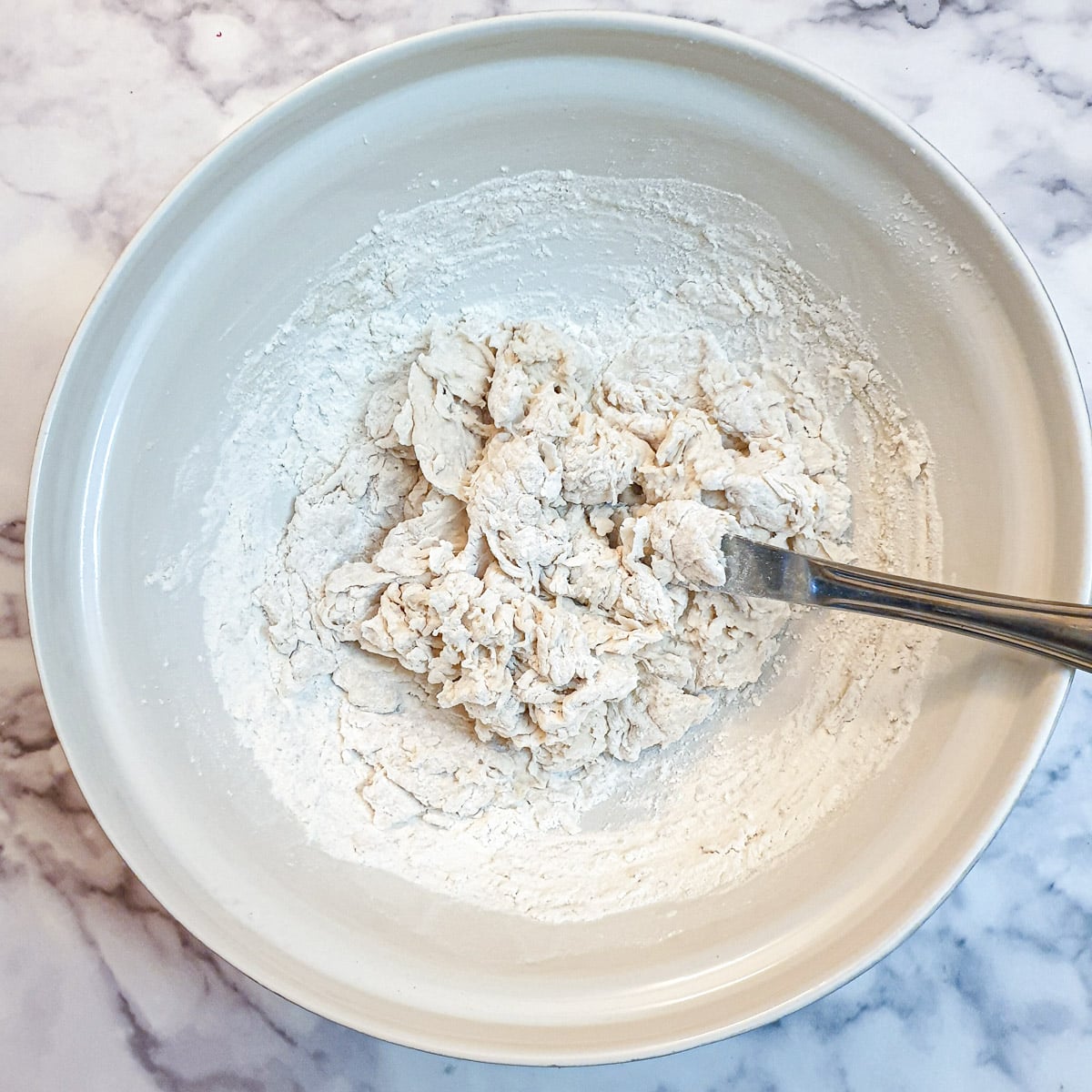
Use a flat-bladed knife to mix the dough until it comes together in a shaggy ball.
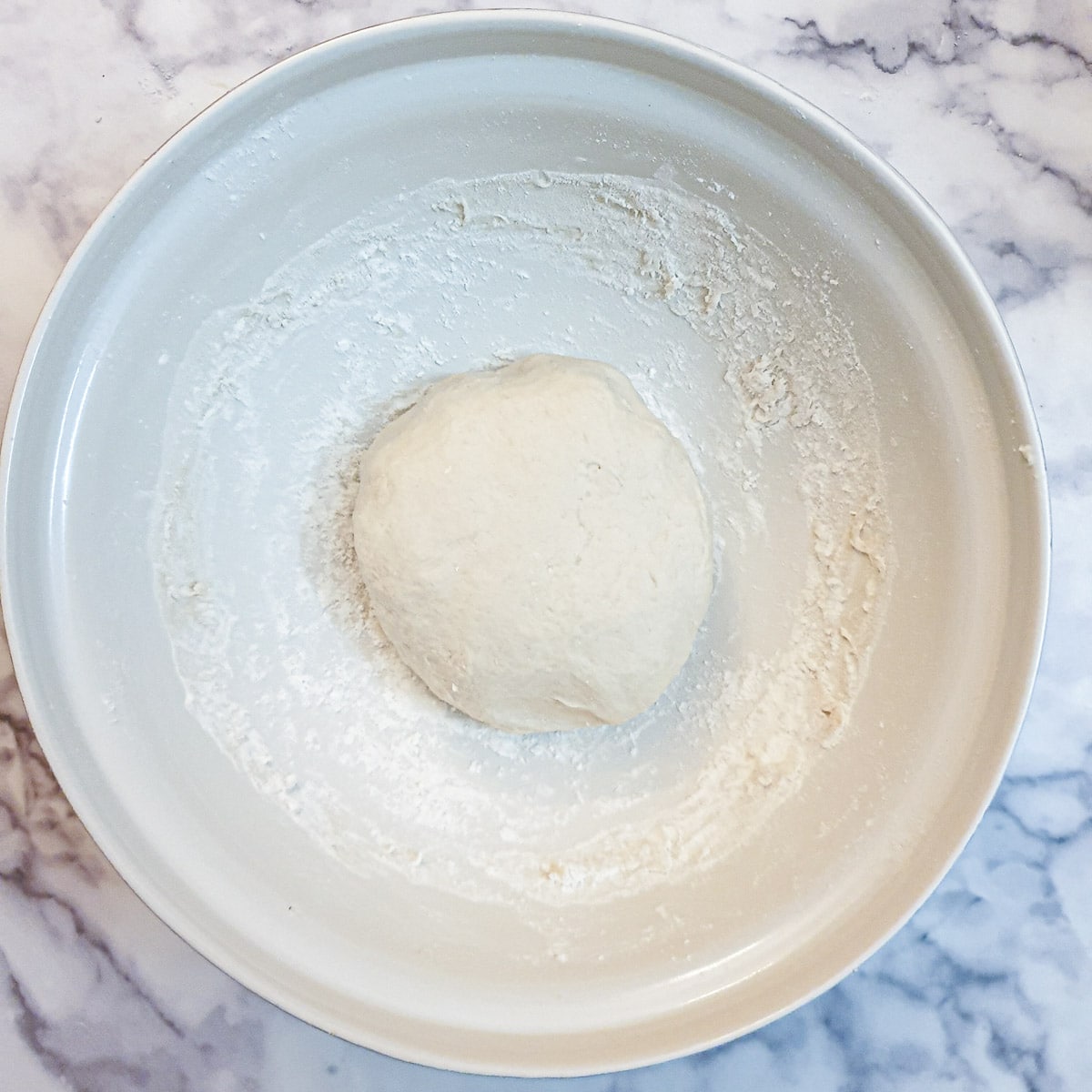
Now get your hands in and knead the dough for 5 minutes (or longer if necessary) until it is smooth and no longer sticky. If you need extra flour, add it one tablespoon at a time.
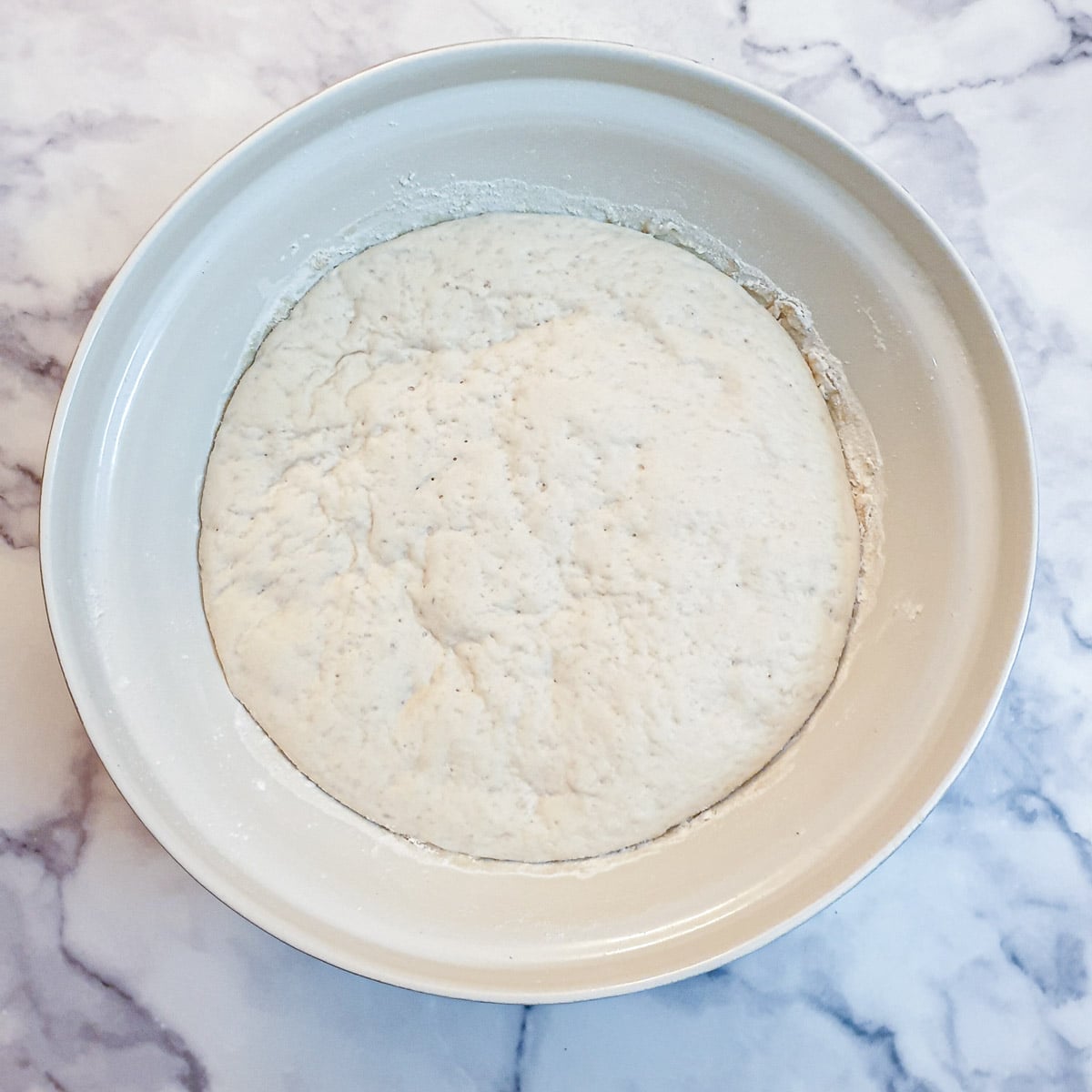
Cover the bowl with a clean towel and leave it in a warm draught-free spot for at least 2 hours or until the dough has doubled in size. I ran out of time when I was making this focaccia so I left it overnight. It won't come to any harm if you do this.
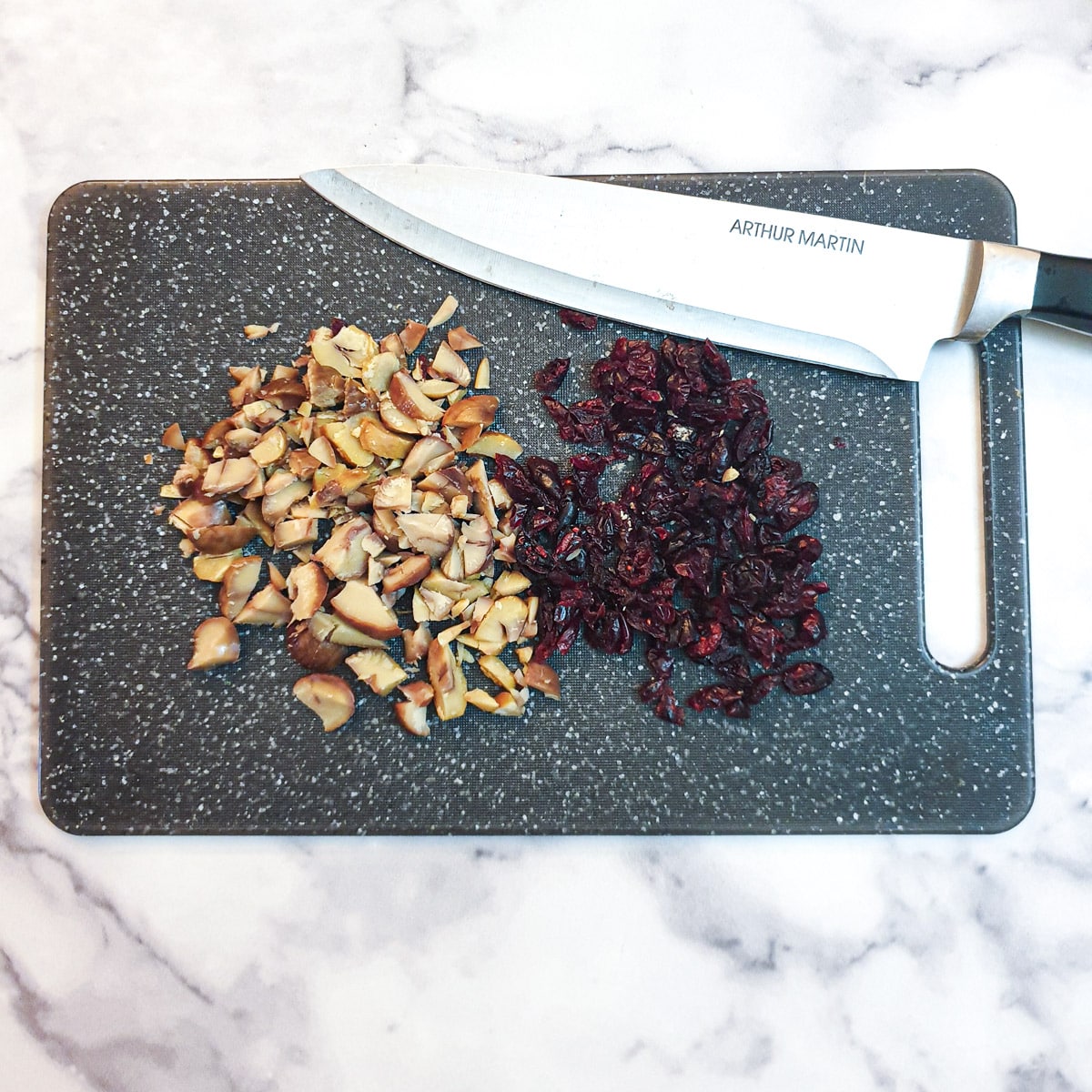
Chop the cranberries and chestnuts coarsely. Leave a few cranberries whole and cut 3 or 4 chestnuts into quarters for pressing onto the top of the focaccia.
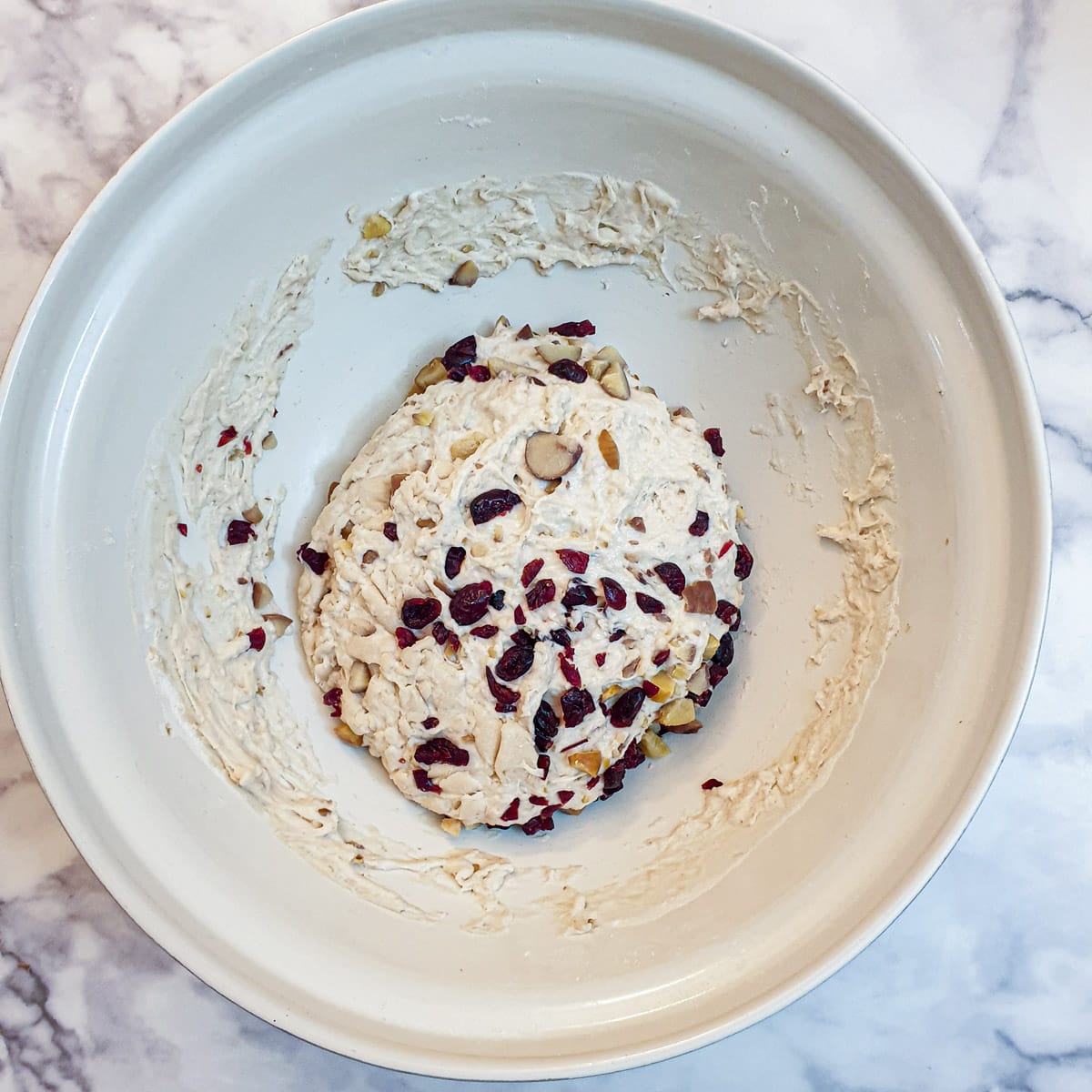
Knock down the risen dough, add the chestnuts and cranberries and knead lightly to distribute them evenly.
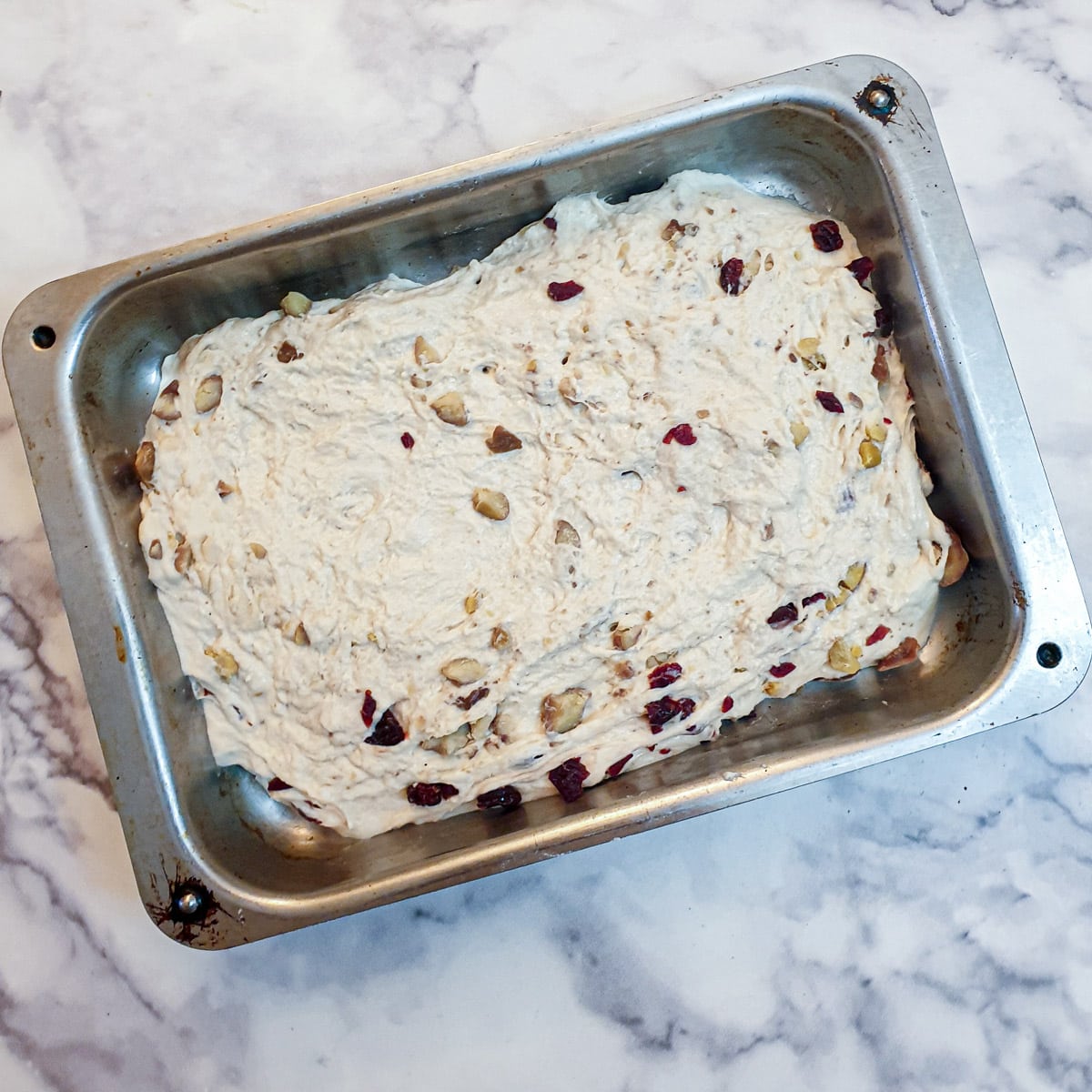
Transfer the dough to a lightly greased baking dish and stretch it to fit. Don't get too hung up on getting it to fit perfectly, the dough is going to be left to rise again and it will fill up any spaces at the edge.
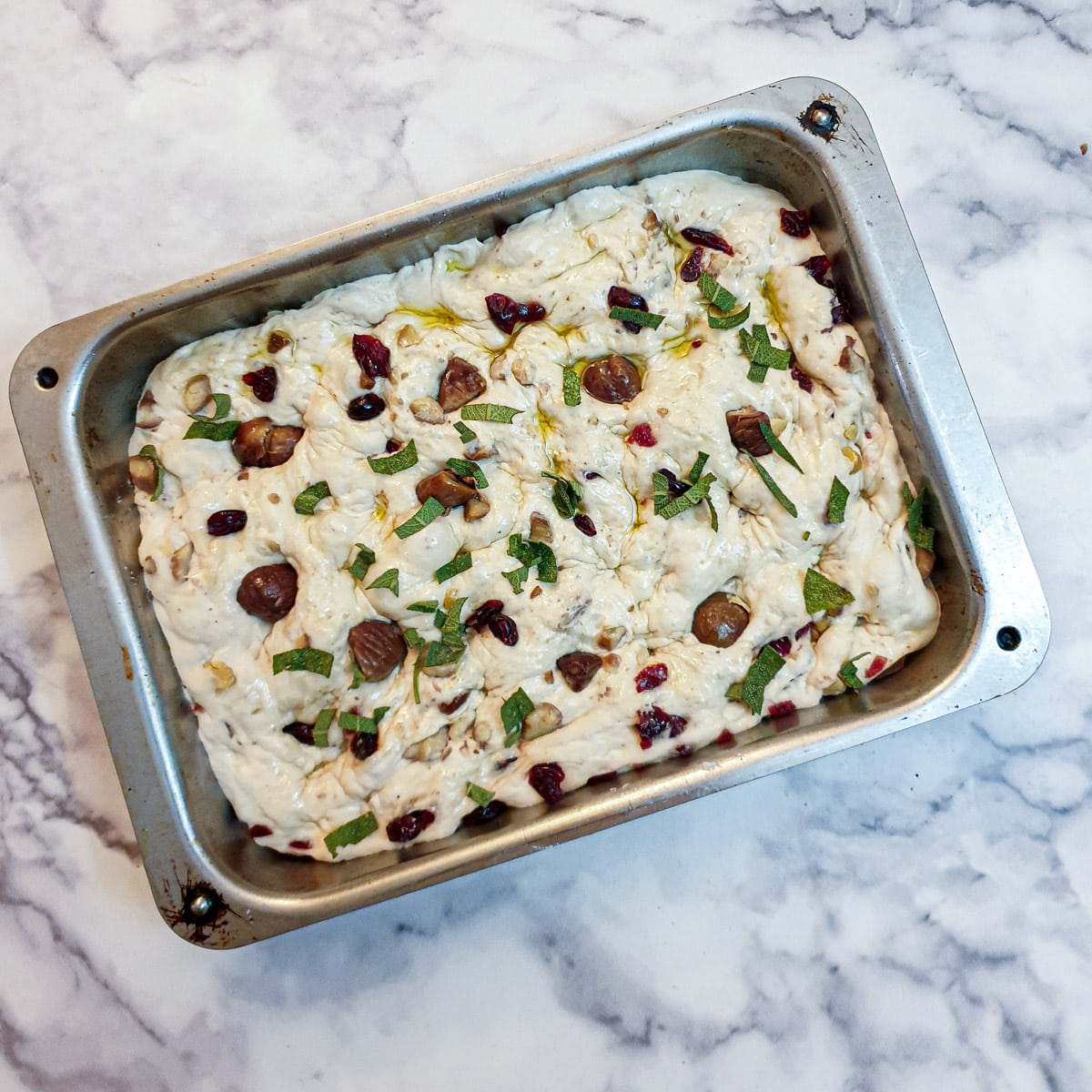
Cover the dish with a clean towel and leave it to rise for an hour. Then drizzle with a tablespoon of olive oil and press dimples into the top of the dough with your fingers. Place the reserved chestnuts and cranberries in the holes. Scatter chopped sage on top.
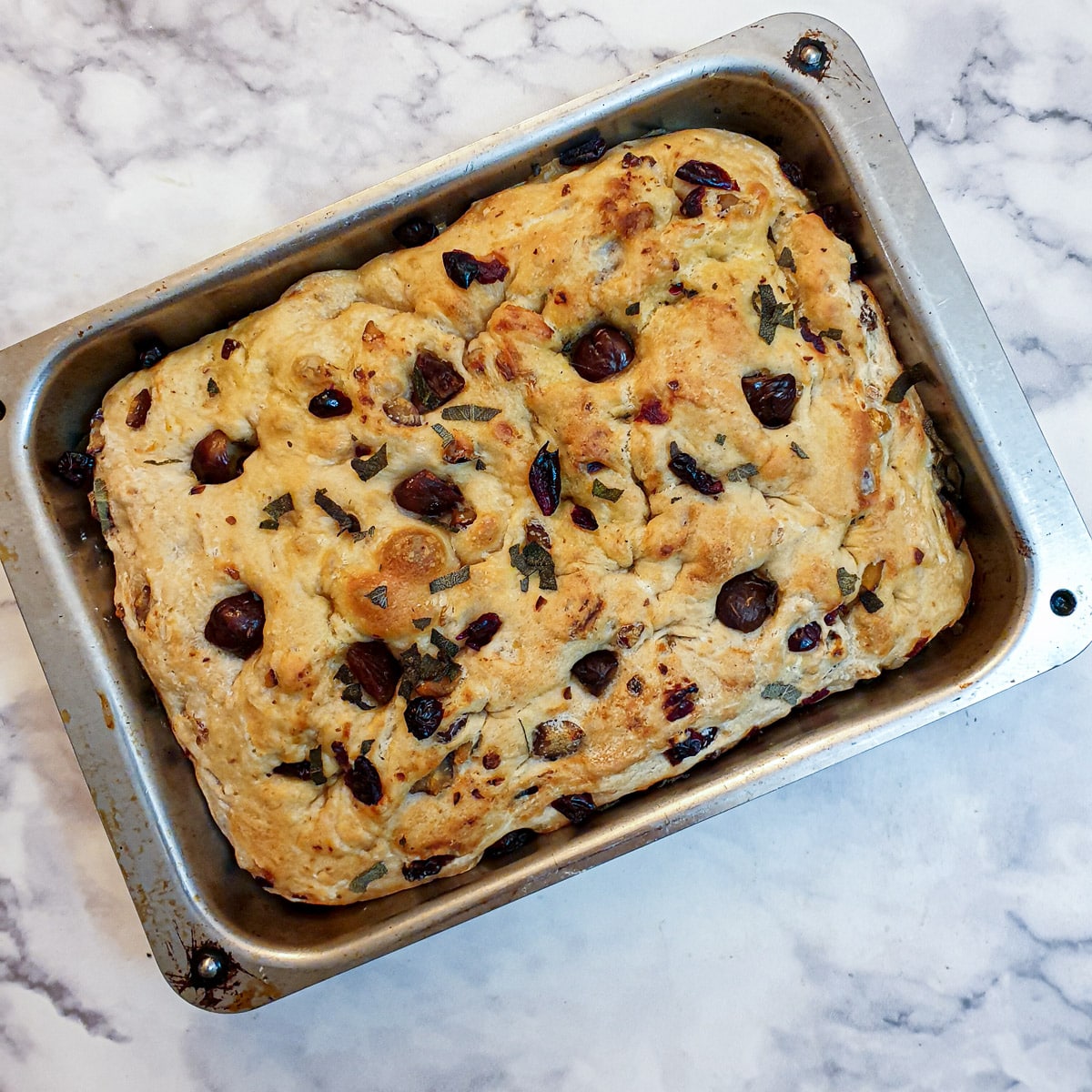
Bake in a preheated oven (190C / 380F) for 20 to 25 minutes until golden brown and cooked through. Brush with extra olive oil if desired.
Tips for making dough
- Do test that your yeast is active before making the focaccia. There's nothing worse than going through all the steps of making the bread only to find it doesn't rise properly.
- When measuring out the flour, use a 240 ml measuring cup. Depending on how tightly the flour is packed in the could you should get 140 grams (or 4.9 ounces) of flour per cup.
- If you find there is too much or too little liquid for the amount of flour you can add extra flour or water one tablespoon at a time. This is a very forgiving recipe so don't worry if you need to adjust the water / flour ratio.
- If possible, use a set of kitchen scales to weigh the ingredients. I develop and test all my recipes using kitchen scales because that is the only way to be absolutely sure that your measurements are correct.
- Do knead the dough for at least 5 minutes to ensure that the gluten is fully developed. It is the act of stretching and folding the dough that develops the gluten.
- If you have a stand mixer with a dough hook, you could use that to mix the dough instead of kneading by hand.
- Leave the dough to rise in a warm draught-free place. I normally switch my oven on (200C/400F) for one minute (no longer) then switch it off again. This will raise the temperature of the oven by one or two degrees. Then I put the covered bowl in the oven, close the door and leave it until the dough has risen.
- Allow the dough to rise for the first proof for at least two hours, but you could leave it up to overnight.
How to knead dough
- When you knead the dough, you are essentially stretching the gluten in the flour which will form the structure of the baked product.
- Once you have combined all the ingredients, and the dough has started to come together into a ball, remove it from the mixing bowl and place it onto a floured surface.
- Press down with the heel of your hand and at the same time press forwards with your hand for a few inches to stretch the dough away from you. Pull the dough back onto itself and repeat the movement.
- Give the dough a quarter turn after every few stretches and repeat until the dough is pliable, smooth and elastic.
Equipment
You will need a large mixing bowl. I like to use an earthenware one (as shown in the photographs) because it's large enough to get my hands into without messing flour all over the kitchen.
For baking the focaccia you will need an 8" by 10" baking dish (that's 20cm x 25cm). I like to use a metal dish rather than ceramic because metal is a better conductor of heat, which leads to more even baking.
Storage
Store the baked focaccia in a sealed container in your breadbin. It will stay fresh for 2 to 3 days, but after that, I would recommend toasting it.
You can also freshen the focaccia on a baking tray in a hot oven for 5 minutes.
FAQ
The first rise allows the gluten to develop to provide structure to the focaccia. It also forms large bubbles of carbon dioxide that account for the dough doubling in size (and which stretches the gluten).
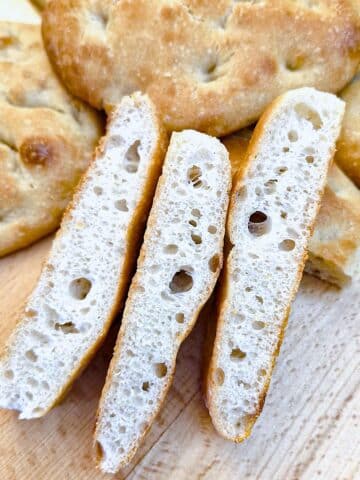
During the second rise, smaller bubbles of carbon dioxide form, which give the distinctive holes in the focaccia dough.
Yes, like all breads, focaccia freezes well. Wrap the cooled loaf in parchment paper and cover with a layer of tinfoil. Place it in a large plastic bag (or wrap it in cling film) and freeze it for up to 6 months.
To use, allow it to defrost on the counter, then unwrap and place it on a baking sheet in a hot oven until warmed through.
Save for later
If you would like to try this chestnut and cranberry focaccia yourself, why not save the recipe to one of your Pinterest boards so you can find it easily? Just click on the image below.
Alternatively, you can save the recipe by clicking on the floating heart icon on the right-hand side of the screen.
Related
Looking for other easy bread recipes? Try these, or browse my bread and scones recipes page for more ideas.
Pairing
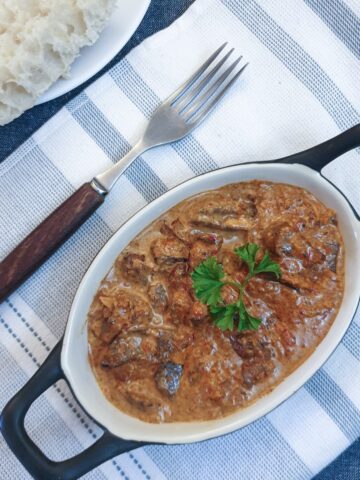
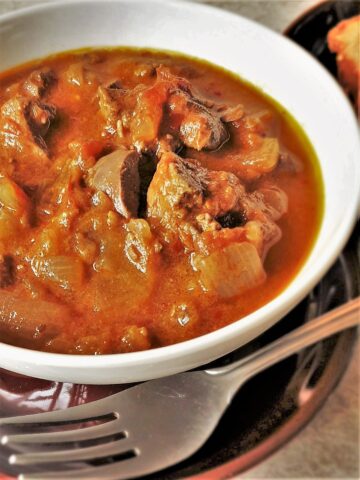
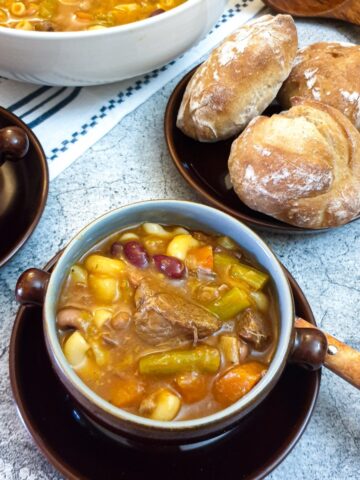
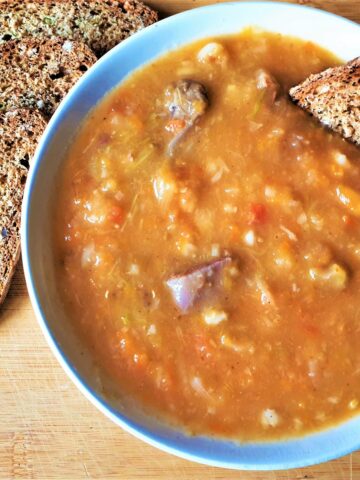
These are my favourite dishes to serve with focaccia (it's great for soaking up soup and gravy - just make it plain, without the cranberries and chestnuts):
The recipe
Chestnut and cranberry focaccia
(Click the stars to rate this recipe)
Equipment
- Large mixing bowl
- Metal baking dish 8" x 10"
Ask a Question
If you have a question about this recipe that has not been answered, please use the box below to ask it.
Use this with care. This is an AI-generated result and may contain errors or inaccuracies. I cannot be held responsible for the information returned.
Ingredients
- 2¼ cups / 315 grams strong white bread flour
- 1 teaspoon salt
- ½ teaspoon sugar
- 2½ teaspoon / 10 grams instant yeast granules
- 1 cup / 240 ml lukewarm water
- ¾ cup / 100 grams chestnuts roasted or vacuum-packed
- ¾ cup / 75 grams cranberries vacuum-packed
- 1 tablespoon chopped fresh sage leaves
- 2 - 3 tablespoons olive oil optional (but recommended)
Instructions
- Test the yeast by mixing it with the water and sugar in a small bowl. Let it stand for 5 minutes until it becomes foamy on top. If the yeast doesn't foam it means that it is dead and your bread won't rise. Go and buy some more yeast and start again!½ teaspoon sugar, 1 cup / 240 ml lukewarm water, 2½ teaspoon / 10 grams instant yeast granules
- Combine the flour and salt in a large mixing bowl. Mix the salt through the flour so that it doesn't come into direct contact with the yeast.2¼ cups / 315 grams strong white bread flour, 1 teaspoon salt
- Tip the yeast and water mixture into the flour.
- Use a flat-bladed knife to mix the dough until it comes together in a shaggy ball.
- Now get your hands in and knead the dough for 5 minutes (or longer if necessary) until it is smooth and no longer sticky. If you need extra flour, add it one tablespoon at a time.
- Cover the bowl with a clean towel and leave it in a warm draught-free spot for at least 2 hours or until the dough has doubled in size. I ran out of time when I was making this focaccia so I left it overnight. It won't come to any harm if you do this.
- Chop the cranberries and chestnuts coarsely. Leave a few cranberries whole and cut 3 or 4 chestnuts into quarters for pressing onto the top of the focaccia.¾ cup / 100 grams chestnuts, ¾ cup / 75 grams cranberries
- Knock down the risen dough, add the chopped chestnuts and cranberries and knead lightly to distribute them evenly.
- Transfer the dough to a lightly greased baking dish and stretch it to fit. Don't get too hung up on getting it to fit perfectly, the dough is going to be left to rise again and it will fill up any spaces at the edge.
- Cover the dish with a clean towel and leave it to rise for an hour. Then drizzle with a tablespoon of olive oil and press dimples into the top of the dough with your fingers. Place the reserved chestnuts and cranberries in the holes. Scatter chopped sage on top.2 - 3 tablespoons olive oil, 1 tablespoon chopped fresh sage leaves
- Bake in a preheated oven (190C / 380F) for 20 to 25 minutes until golden brown and cooked through. Brush with extra olive oil if desired.
Notes
-
- When you knead the dough, you are essentially stretching the gluten in the flour which will form the structure of the baked product.
-
- Once you have combined all the ingredients, and the dough has started to come together into a ball, remove it from the mixing bowl and place it onto a floured surface.
-
- Press down with the heel of your hand and at the same time press forwards with your hand for a few inches to stretch the dough away from you. Pull the dough back onto itself and repeat the movement.
-
- Give the dough a quarter turn after every few stretches and repeat until the dough is pliable, smooth and elastic.
- Do test that your yeast is active before making the focaccia. There's nothing worse than going through all the steps of making the bread only to find it doesn't rise properly.
- When measuring out the flour, use a 240 ml measuring cup. Depending on how tightly the flour is packed in the could you should get 140 grams (or 4.9 ounces) of flour per cup.
- If you find there is too much or too little liquid for the amount of flour you can add extra flour or water one tablespoon at a time. This is a very forgiving recipe so don't worry if you need to adjust the water / flour ratio.
- If possible, use a set of kitchen scales to weigh the ingredients. I develop and test all my recipes using kitchen scales because that is the only way to be absolutely sure that your measurements are correct.
- Do knead the dough for at least 5 minutes to ensure that the gluten is fully developed. It is the act of stretching and folding the dough that develops the gluten.
- If you have a stand mixer with a dough hook, you could use that to mix the dough instead of kneading by hand.
- Leave the dough to rise in a warm draught-free place. I normally switch my oven on (200C/400F) for one minute (no longer) then switch it off again. This will raise the temperature of the oven by one or two degrees. Then I put the covered bowl in the oven, close the door and leave it until the dough has risen.
- Allow the dough to rise for the first proof for at least two hours, but you could leave it up to overnight.
Nutrition
I am not a nutritionist. The nutrition information has been calculated using an on-line calculator, and is intended for information and guidance purposes only. If the nutrition information is important to you, you should consider calculating it yourself, using your preferred tool.
If you made this recipe and enjoyed it, I'd love it if you could give me a star rating in the comments below. And if you'd like to get in touch, you can email me at [email protected]. I'd love to hear from you. And don't forget to subscribe to my mailing list so you can grab yourself a copy of my FREE COOKBOOK!
If you'd like to continue browsing, just click on this link to all my recipes.

Did you make this recipe? Let me know!