
Spaetzle are soft German egg noodles made from a simple batter of flour, eggs and milk. They cook in just a couple of minutes and are delicious served with hearty stews, creamy sauces, or simply tossed in butter. This easy homemade recipe shows you exactly how to make them from scratch.
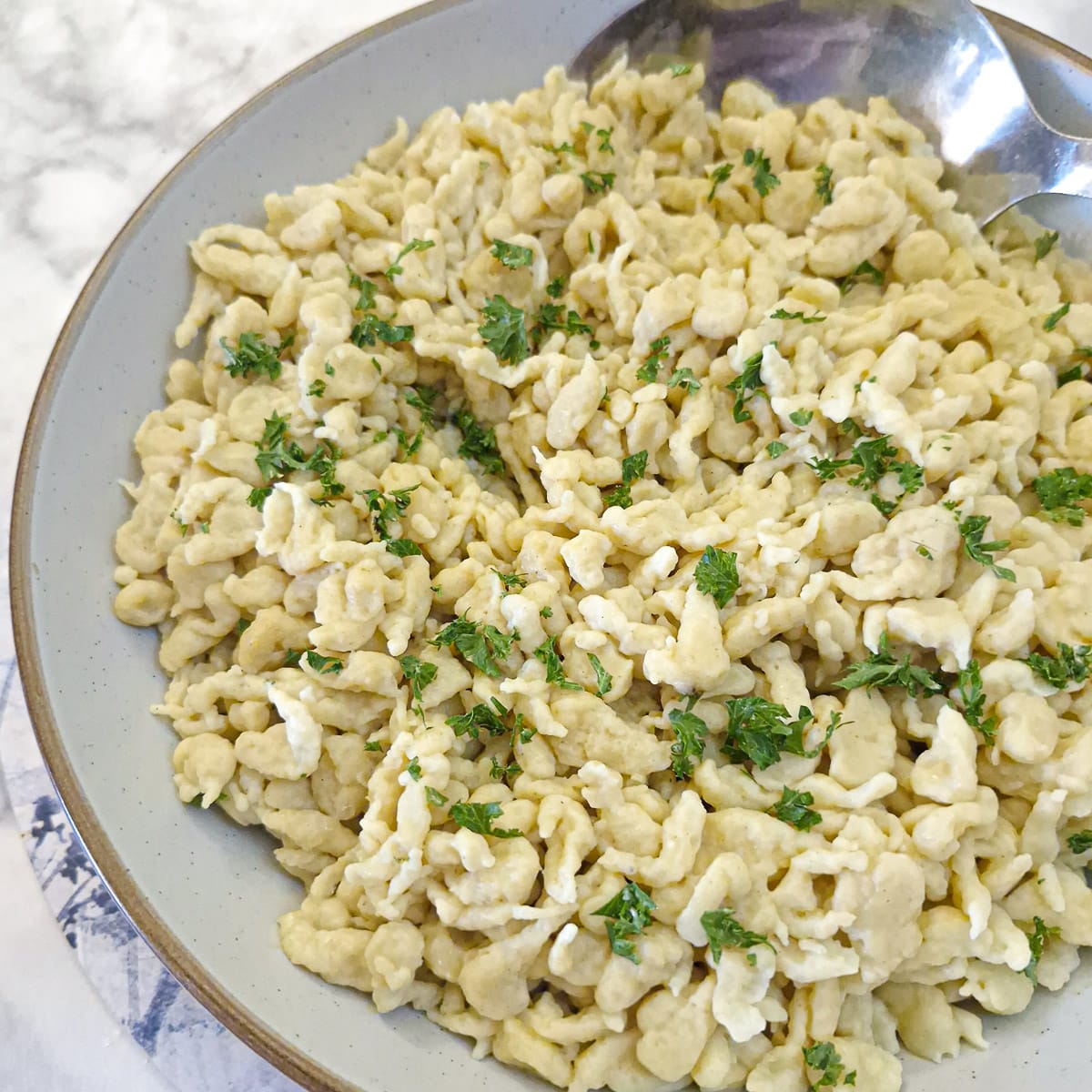
**Updated August 2026 with new photo, process shots and clearer instructions. The recipe itself remains unchanged.**
Table of Contents
Homemade spaetzle are soft, slightly chewy German egg noodles made from a simple batter of flour, eggs and water. The name spaetzle means "little sparrows" - a charming description, thought to refer to their small, irregular shape. The batter is pressed directly into boiling water, where the noodles cook in just a couple of minutes before rising to the surface.
Spaetzle are particularly associated with southern Germany, although you'll also find similar versions throughout Austria, Switzerland and neighbouring parts of Europe. Depending on the region and their shape, you may also come across the name Knöpfle, meaning little buttons. In Hungary, the closely related dumplings are known as nokedli.
What I particularly like about homemade spaetzle is their texture. They're softer and more irregular than pasta, with a slight chew that makes them perfect for soaking up rich sauces and gravy. Serve them alongside Hungarian goulash, beef stew, creamy mushroom dishes or German recipes such as rahmgeschnetzeltes, or simply toss them with a little butter and parsley.
And despite their rather unusual appearance, making spaetzle from scratch is surprisingly straightforward. You don't even need a special spaetzle maker. A colander, potato ricer or flat grater with suitably large holes can work just as well for pressing the batter into the water.
You can buy dried spaetzle in many supermarkets, but homemade really does have a different texture. Once you know how to make spaetzle yourself, it's one of those useful little recipes to have tucked away whenever you need an alternative to potatoes, rice or ordinary pasta.
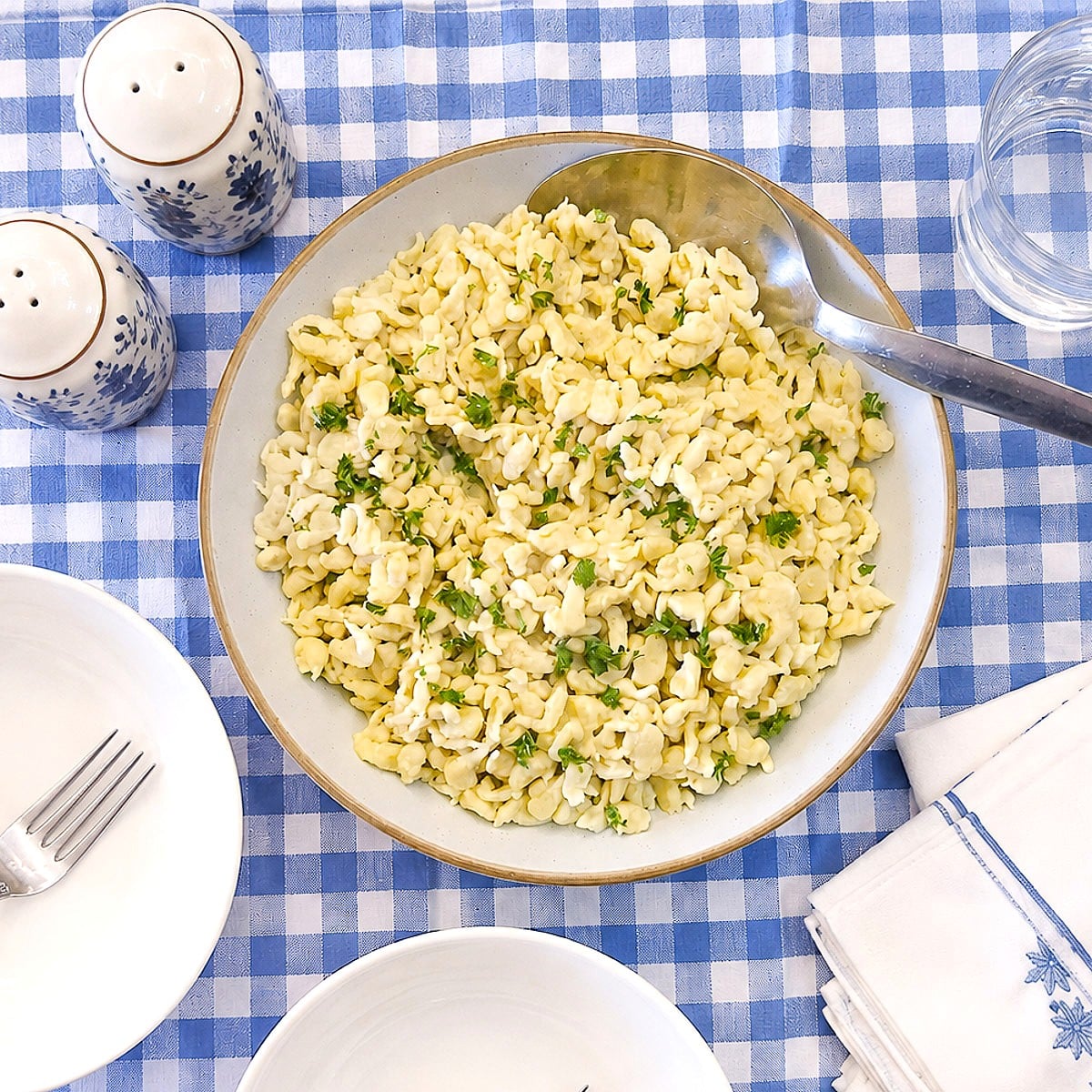
Why I love this recipe
- Made with simple pantry ingredients. You only need flour, eggs, water and salt, so there's no need for a trip to the supermarket.
- Ready in minutes. Once the batter is mixed (which only takes a few minutes anyway), the spaetzle cook in just 2 or 3 minutes, making them a quick and easy side dish for busy weeknights.
- Soft, chewy texture. I absolutely love the texture of these homemade spaetzle. It's a soft and slightly chewy texture which is difficult to match with dried store-bought versions.
- Perfect for soaking up sauces. Their irregular shape catches every drop of sauce or gravy, making them ideal to serve with hearty stews or dishes made with lots of creamy sauce.
- No special equipment needed. A spaetzle maker makes the job easier, but a colander or coarse flat grater works just as well. You'll see from the process shots below that I used a colander with a large spoon to push the batter through.
- Freezer-friendly. I always make extra because spaetzle freeze and reheat beautifully. They're one of my favourite make-ahead staples for the Foodle Club Pantry, ready to pull out whenever I need a quick side dish.
Ingredients for making spaetzle
**This is just an overview to explain why I used a particular ingredient. The complete list of ingredients and the exact measurements are on the printable recipe card at the end of this post.**
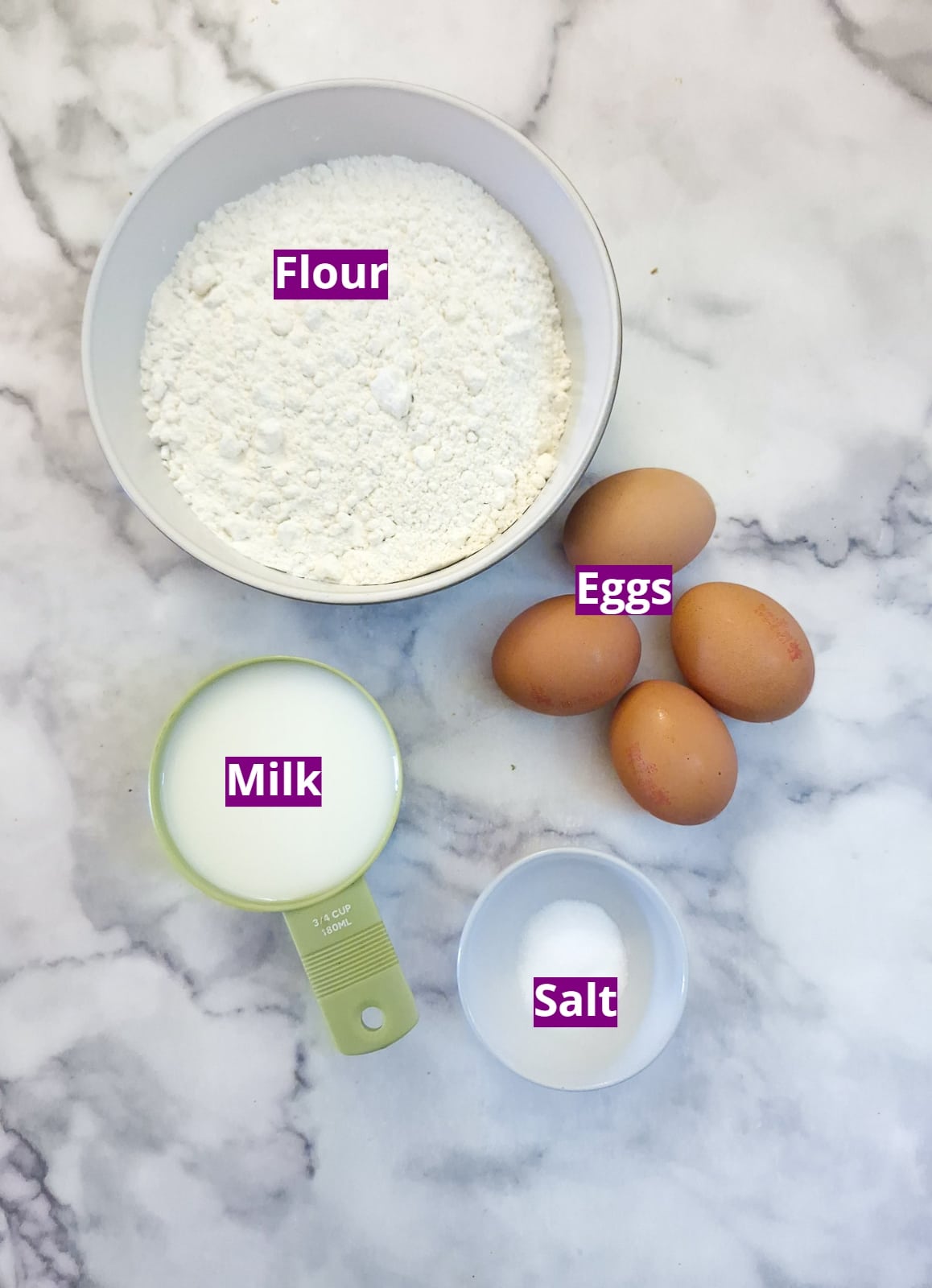
- Flour. Use plain (all-purpose flour in the US). Don't use self-raising flour or add any baking powder. Spaetzle should be soft with a slight chew, and adding a raising agent will make them too light and fluffy.
- Eggs. Eggs give the batter structure. As the spaetzle cook, the egg proteins set, helping them hold their shape while keeping the inside soft and tender.
- Salt. A small amount of salt adds plenty of flavour to the batter. I normally add half a teaspoon to the batter, and lightly salt the cooking water too.
- Milk. The liquid brings the batter together. I've allowed three-quarters of a cup for this recipe, but you may not need quite that much because different brands of flour absorb liquid differently. Start by adding about three-quarters of the liquid, then stir in the remainder a little at a time until you have a thick, spoonable batter. I like to use equal quantities of milk and water, but you can use all milk for a richer flavour or all water if you prefer.
How to make spaetzle
You will be surprised at how easy this is to make. The quantities in this recipe are sufficient for about 4 people.
Mix the batter
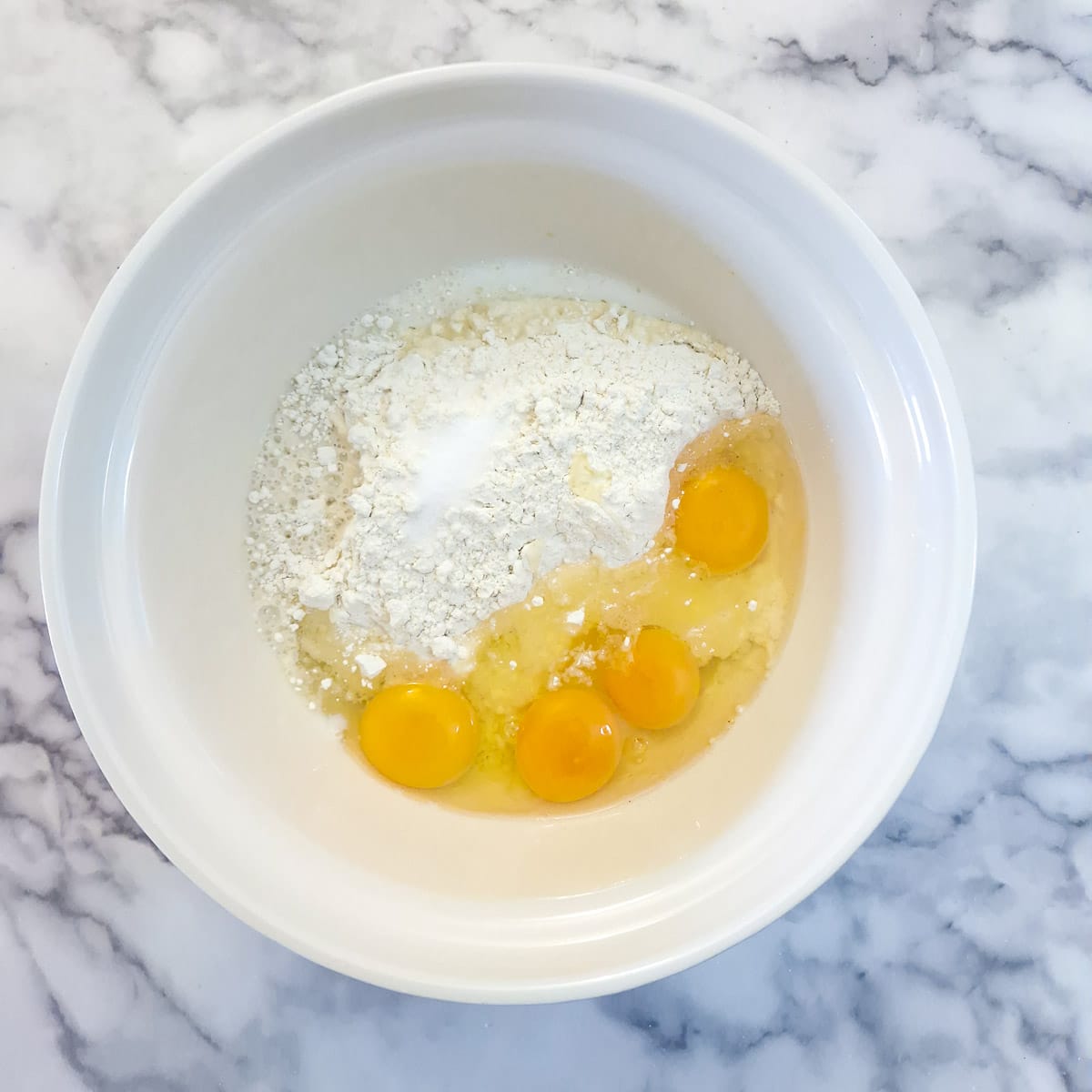
Step 1: Place all the ingredients into a mixing bowl. Don't add all the liquid - keep a little aside so you can adjust the consistency of the batter.
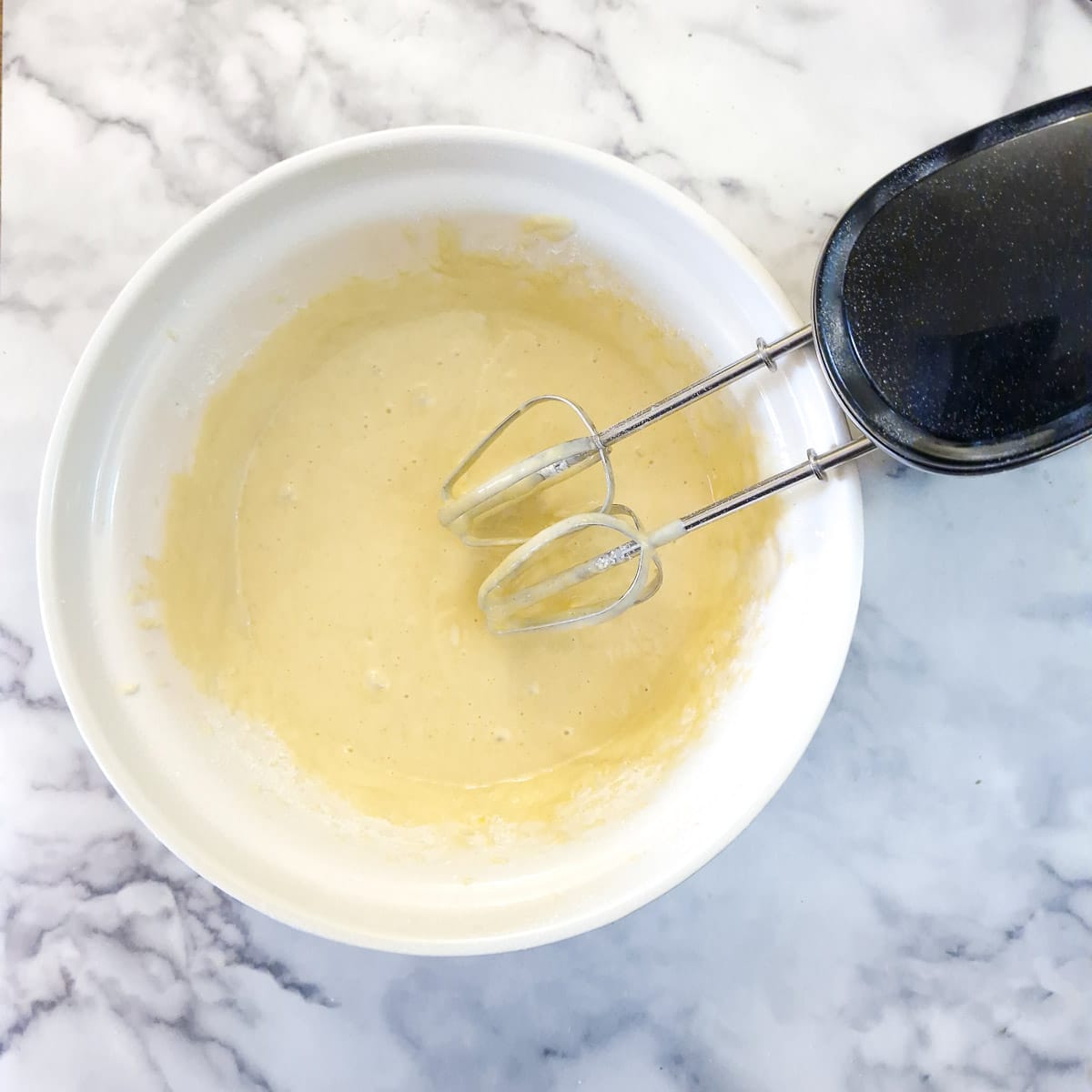
Step 2: Use an electric hand mixer (or a wooden spoon) to mix the ingredients to a thick, runny batter.
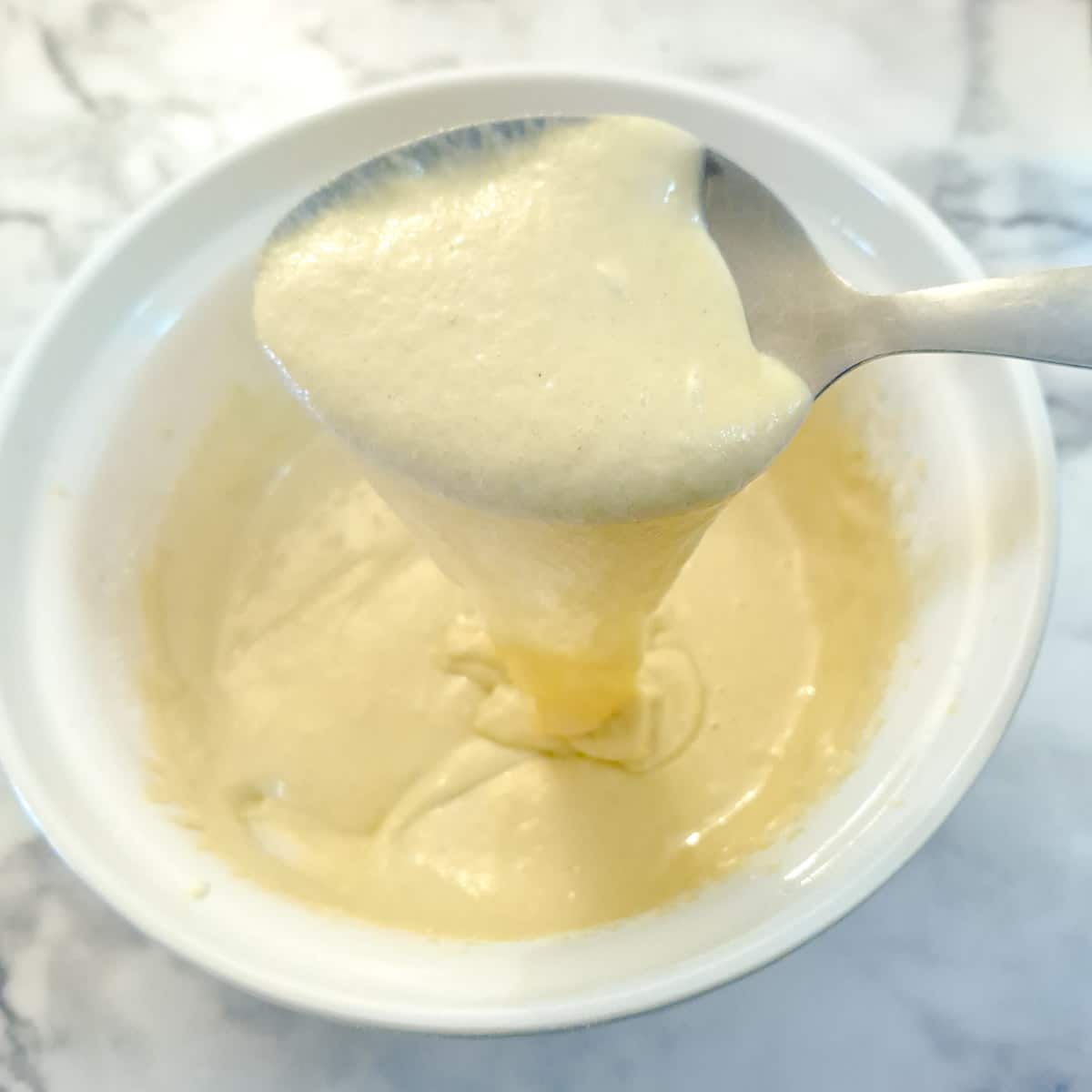
Step 3: The batter should fall slowly from the spoon. If it is too thick, mix in the remaining liquid.
Cover the bowl with a clean tea towel and leave the mixture to stand for 15 to 30 minutes. This ensures the spaetzle develop the distinctive chewy texture.
Cook the spaetzle
Bring a pan of lightly salted water to a boil, then turn the heat down to a strong simmer.
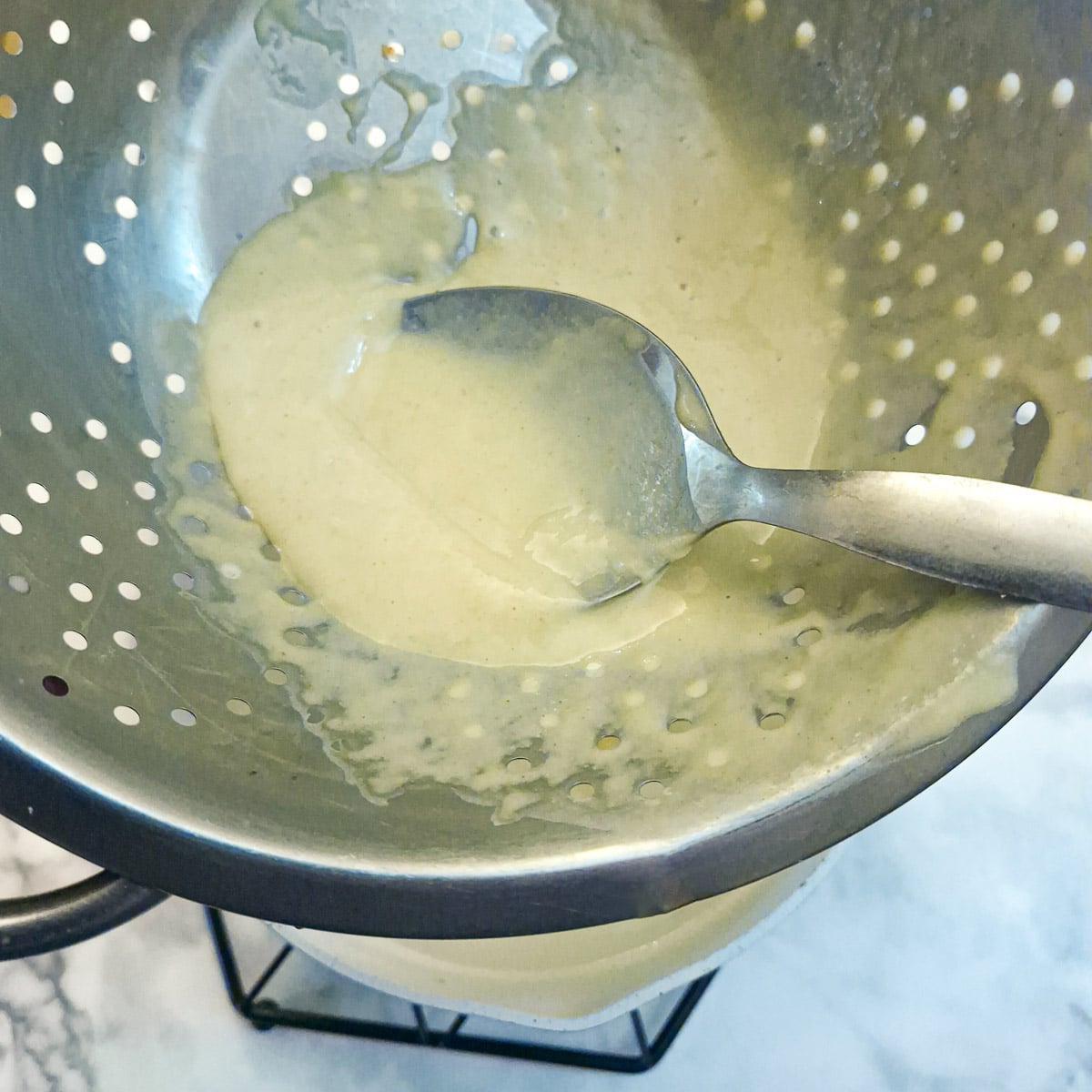
Step 4: Place a large spoonful of batter into a colander and use the back of the spoon to gently push the mixture through the holes of the colander directly into the boiling water.
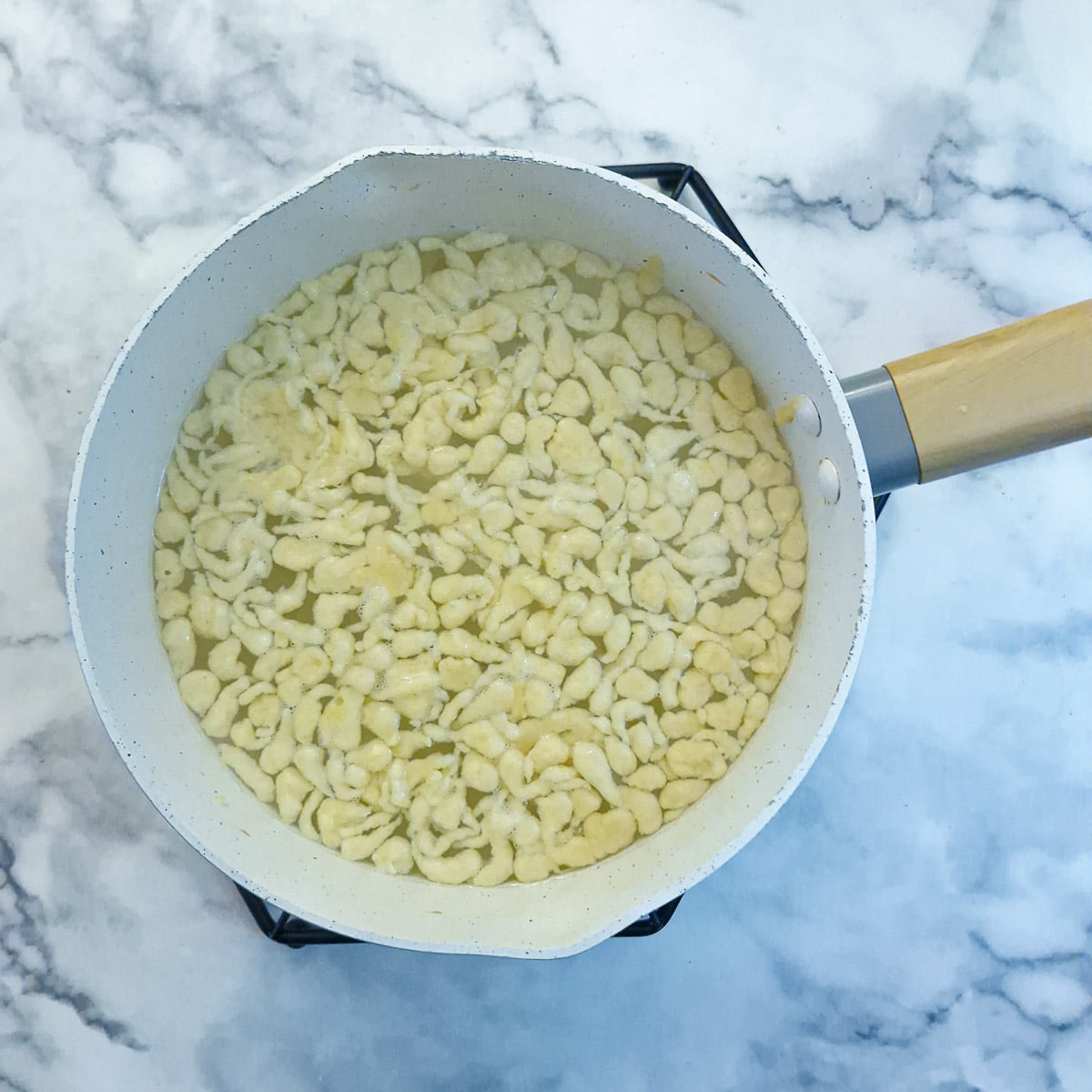
Step 5: The spaetzle will sink to the bottom when you add them to the pan. After 1 to 2 minutes, they will float to the surface, which is your sign that they are cooked.
Use a slotted spoon to lift the spaetzle into a frying pan containing a little melted butter, and stir lightly to coat the spaetzle. Leave the pan on a very low heat to keep warm while you cook the remaining batter.
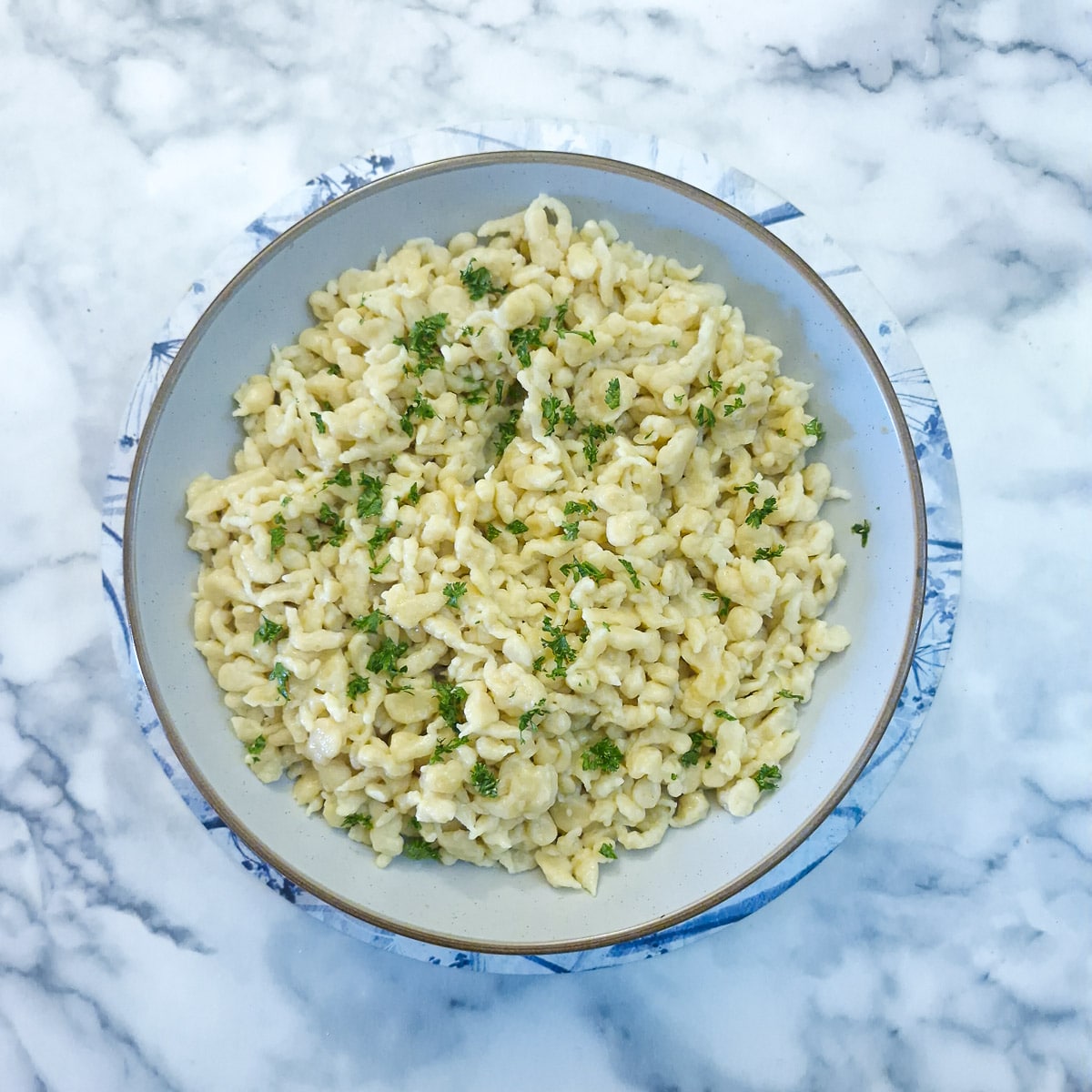
Step 6: Continue until all the spaetzle batter has been cooked, then transfer to a serving dish and garnish with finely chopped parsley if desired.
Foodle Club top tips
Follow these handy tips to ensure your recipe always turns out perfectly:
- Get the batter consistency right. It should be thick enough to hold together, but soft enough to slowly fall from a spoon. If it's too thick, add a splash more liquid. If it's too runny, stir in a little extra flour.
- Don't worry about the size of the noodles. They will never be a uniform size no matter how carefully you press them through the colander. Even if you use a proper spaetzle press, they will be different sizes - it's all part of the charm!
- Rest the batter. For best results, let the batter stand for 15 to 30 minutes. This allows the flour to fully absorb the liquid, and helps create the characteristic chewy soft texture.
- Keep the water at a gentle boil. A rolling boil can break the spaetzle apart as they cook; a steady simmer is all you need.
- Don't overcrowd the pan. Cook the batter in batches so the spaetzle have plenty of room to float to the surface.
- Butter them while they are hot. Tossing the hot cooked spaetzle in a little melted butter stops them sticking together and adds plenty of flavour.
- Serve them while hot. Serve the spaetzle while they are still hot, or allow them to cool and freeze them in meal-sized portions.
Egg sizes around the world
This recipe was tested using UK large-sized eggs. As you can see from the following table, egg sizes vary from country to country. You may need to add an extra splash of liquid to achieve the correct batter consistency.
| Small | Medium | Large | Extra Large | |
|---|---|---|---|---|
| UK | 43-53g | 53-64g | 63-73g | 73g+ |
| USA / Canada | 42-49g | 49-56g | 56-63g | 63-70g |
| Australia / NZ | 43-51g | 51-59g | 59-67g | 67-75 |
| South Africa | 43-50g | 50-57g | 57-64g | 64-70g |
Equipment Notes
Apart from a mixing bowl to mix the batter and a large saucepan to cook the spaetzle, you will need something to shape them with.
I tend to use my normal stainless steel kitchen colander - the holes are large enough to allow you to press the spaetzle batter through using the back of a spoon.
I've seen people using a potato ricer too. I don't like to use this because the noodles come out more like spaghetti than plump little dumplings.
If you want to get a proper spaetzle maker <affiliate link>, I've added a link to a page on Amazon with various spaetzle makers so you can see what they look like.
Spaetzle FAQ
Spaetzle (pronounced 'shpets-luh') are soft German egg noodles made from a simple batter of flour, eggs and liquid (normally milk and water). They have a slightly chewy texture and are traditionally served with stews, creamy sauces and other hearty dishes.
No. A spaetzle maker makes the job easier, but you can make excellent homemade spaetzle using a colander with holes large enough for the batter to pass through.
Yes. Spaetzle can be made a day in advance. Toss them with melted butter once cooked, to prevent them from sticking together, then cover and refrigerate. Reheat gently in a frying pan with a little extra butter until piping hot.
Absolutely! Toss the freshly cooked spaetzle with plenty of melted cheese and top with crispy fried onions to make kaesespaetzle (cheese spaetzle), one of Germany's favourite comfort foods. Add crispy bacon for an even heartier meal.
Homemade staples
This recipe is part of my Homemade Staples collection - a growing collection of homemade sauces, condiments, spice mixes, pantry and freezer staples designed to help make everyday cooking easier. Browse the collection for more make-ahead recipes, kitchen staples and meal-building ideas.
Save for later
If you would like to make these homemade German noodles, why not save the recipe to one of your Pinterest boards so you can find it easily. Just click the image below.
Alternatively, you can save the recipe by clicking on the floating heart icon on the right-hand side of the screen.
Related recipes
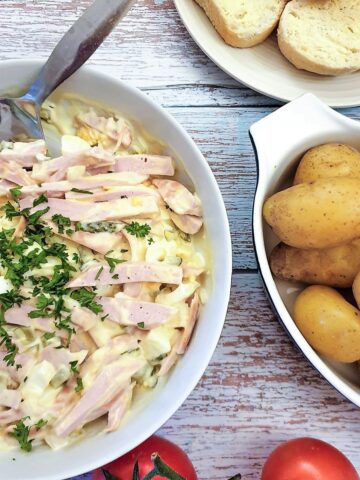
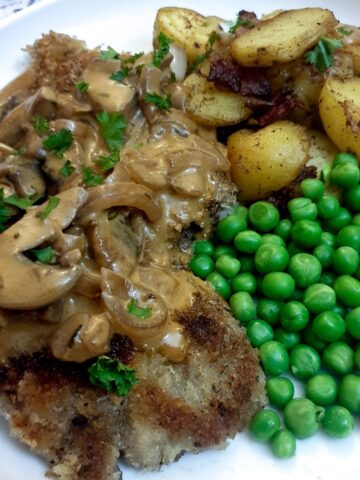
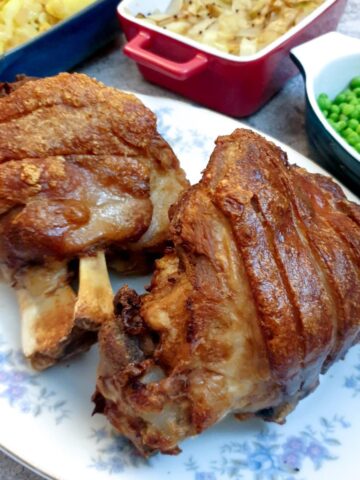
Visit my German-inspired recipes page for other tasty recipes. Here are a few you might enjoy:
The recipe
Homemade spaetzle
(Click the stars to rate this recipe)
Equipment
- Colander or spaetzle maker
- Mixing bowl
- Hand mixer or whisk
- Large saucepan
- Slotted Spoon
Ask a Question
If you have a question about this recipe that has not been answered, please use the box below to ask it.
Use this with care. This is an AI-generated result and may contain errors or inaccuracies. I cannot be held responsible for the information returned.
Ingredients
- 2 cups / 280 grams plain flour
- 4 medium eggs
- ¾ cup 50/50 milk and water mixture or you could use all milk for a richer consistency
- ½ teaspoon salt plus extra salt for the cooking water
Finishing and garnish
- 1 ounce / 30 grams butter
- Chopped parsley for garnish optional
Instructions
- Place all the ingredients into a mixing bowl. Don't add all the liquid - keep a little aside so you can adjust the consistency of the batter.2 cups / 280 grams plain flour, 4 medium eggs, ¾ cup 50/50 milk and water mixture, ½ teaspoon salt
- Use an electric hand mixer (or a wooden spoon) to mix the ingredients to a thick, runny batter with no lumps.
- The batter should fall slowly from the spoon. If it is too thick, mix in the remaining liquid.
- Allow to stand for 15 to 30 minutes
- Bring a saucepan of water to the boil, then turn the heat down to a strong simmer.
- Place a large spoonful of batter into a colander and use the back of the spoon to gently push the mixture through the holes of the colander directly into the boiling water.
- The spaetzle will sink to the bottom when you add them to the pan. After 1 to 2 minutes, they will float to the surface, which is your sign that they are cooked.
- Use a slotted spoon to lift the spaetzle into a frying pan containing a little melted butter, and stir lightly to coat the spaetzle. Leave the pan on a very low heat to keep warm while you cook the remaining batter.1 ounce / 30 grams butter
- Continue until all the spaetzle batter has been cooked, then transfer to a serving dish and garnish with finely chopped parsley if desired.Chopped parsley for garnish
Notes
- Get the batter consistency right. It should be thick enough to hold together, but soft enough to slowly fall from a spoon. If it's too thick, add a splash more liquid. If it's too runny, stir in a little extra flour.
- Don't worry about the size of the noodles. They will never be a uniform size no matter how carefully you press them through the colander. Even if you use a proper spaetzle press, they will be different sizes - it's all part of the charm!
- Rest the batter. For best results, let the batter stand for 15 to 30 minutes. This allows the flour to fully absorb the liquid, and helps create the characteristic chewy soft texture.
- Keep the water at a gentle boil. A rolling boil can break the spaetzle apart as they cook; a steady simmer is all you need.
- Don't overcrowd the pan. Cook the batter in batches so the spaetzle have plenty of room to float to the surface.
- Butter them while they are hot. Tossing the hot cooked spaetzle in a little melted butter stops them sticking together and adds plenty of flavour.
- Serve them while hot. Serve the spaetzle while they are still hot, or allow them to cool and freeze them in meal-sized portions.
My favourite way to reheat spaetzle is in a frying pan with a small knob of butter over a medium-low heat. Stir gently for 3 to 5 minutes until piping hot. The butter stops them sticking together and restores their lovely flavour. From frozen:
Defrost overnight in the refrigerator if possible, then reheat as above. If you're short of time, you can reheat them straight from frozen in a frying pan with a knob of butter and a tablespoon of water. Cover the pan with a lid for a few minutes to help them thaw, then remove the lid and continue cooking until heated through. Microwave:
You can also reheat spaetzle in the microwave. Place them in a microwave-safe bowl with a teaspoon of butter or a splash of water, cover loosely and heat in short bursts, stirring between each, until hot.
Nutrition
I am not a nutritionist. The nutrition information has been calculated using an on-line calculator, and is intended for information and guidance purposes only. If the nutrition information is important to you, you should consider calculating it yourself, using your preferred tool.
If you made this recipe and enjoyed it, I'd love it if you could give me a star rating in the comments below. And if you'd like to get in touch, you can email me at [email protected]. I'd love to hear from you. And don't forget to subscribe to my mailing list so you can grab yourself a copy of my FREE COOKBOOK!
If you'd like to continue browsing, just click on this link to all my recipes.


raju says
Thanks For Sharing this recipe. My family loved it. I will be sharing this recipe with my friends. Hope they will like it.
Frank Nilson says
Hi VJ
I noticed a slight error in your Notes on the thickness of the batter. You quote thicker than cake batter and thinner than pancake batter. That is the opposite to what is mentioned in the Mix the Batter section, which is the correct method to be used.
VJ says
Oops! I've corrected the notes. Thanks for pointing it out.
Wayne Rauen says
It looks and sounds wonderful. I can't wait to try it
Any other recipes you care to share? At 71 I'm always looking for something new.
VJ says
Hi Wayne, I hope you enjoy it. I have loads of recipes on my website you may enjoy. Keep checking back,I'm always posting something new.
Jo Allison / Jo's Kitchen Larder says
I grew up eating spaetzle lovingly prepared by my Polish grandma and served with crisped up bacon lardons and crumbled curd cheese, super simple but so delicious. Your spaetzle look exactly as I remember them, thank you for bringing back lots of lovely memories with your recipe. 🙂 #cookblogshare
VJ says
It's so nice when a recipe brings back childhood memories. My Dad was German and I always think of him when I make spaetzle.