
This slow-braised South African classic dish of tamatie bredie (tomato stew) is rich, comforting and full of flavour. Made with succulent lamb, and simmered in a sauce of tomatoes, onions and spices until meltingly tender, this dish is perfect to serve with fluffy rice or crusty bread to mop up the sauce.
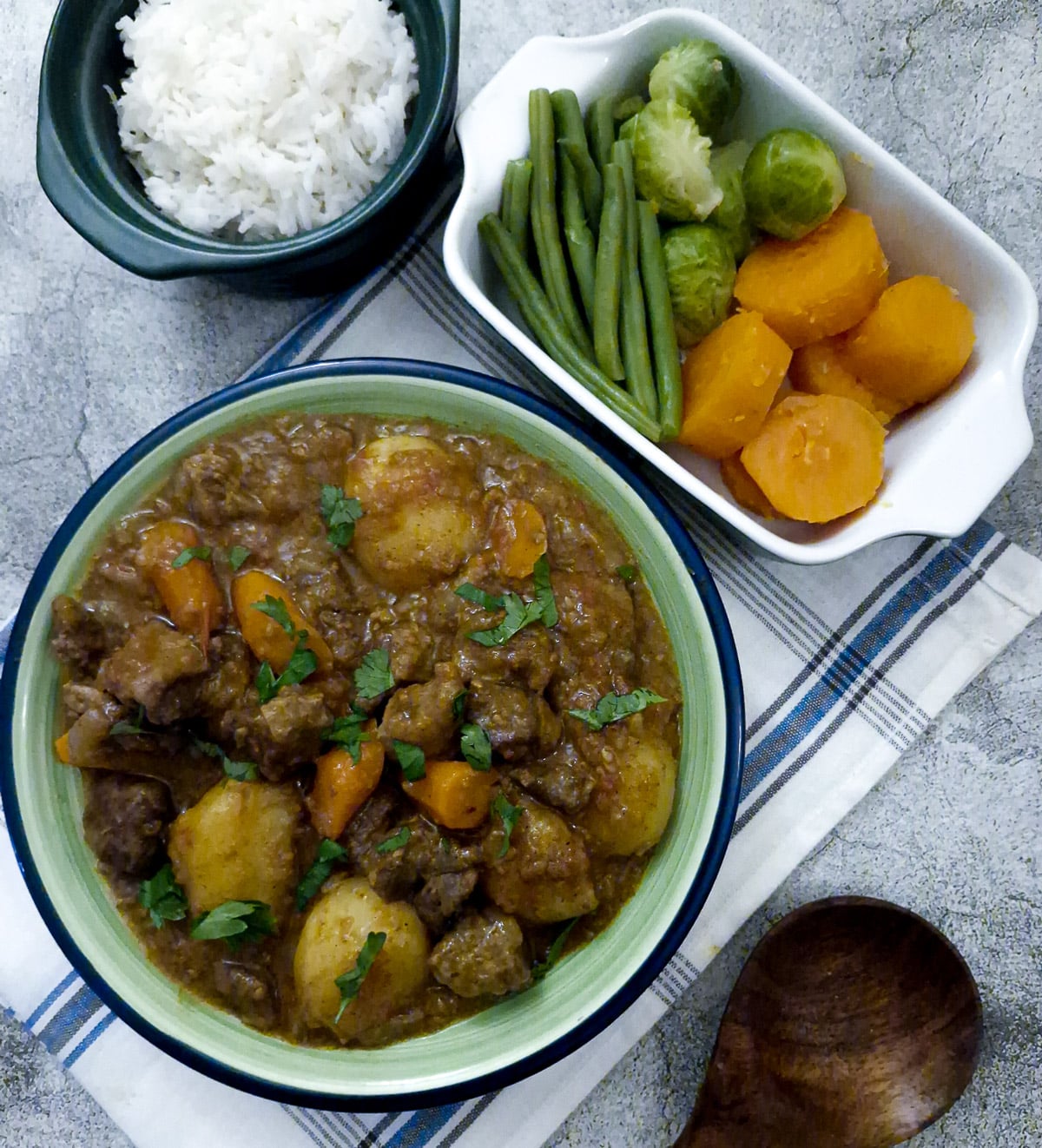
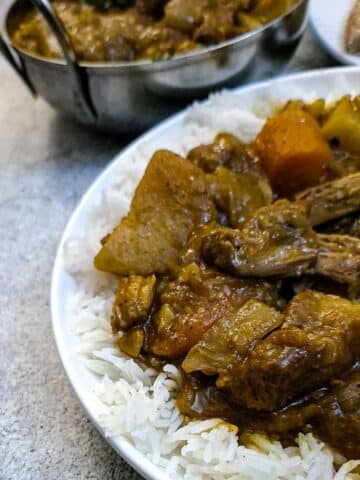
Tamatie bredie (or tomato stew) is a true South African classic! Made with succulent lamb, cooked until mouth-wateringly tender, in a thick tomato and onion gravy, it's traditionally served on a bed of fluffy white rice with a few vegetables on the side. You'll find it hard to believe how so few ingredients can be turned into such a tasty dish!
In a traditional bredie, no extra liquid is added. The sauce is formed from the natural juices of the tomatoes and onions, which cook down to form a thick gravy that clings beautifully to the meat. My tomatoes weren't especially juicy, so I added a cup of chicken stock to help things along, and it still turned out absolutely delicious and full of flavour.
You can make tamatie bredie with either boneless or bone-in lamb. I used a small piece of boneless leg, cut into chunks, but stewing cuts such as neck or knuckle work beautifully too. Lamb shoulder is another great option - just cut it into pieces and leave it to simmer away until tender.
With the long, gentle simmering, the gravy thickens into a luscious sauce - juicy, but without being runny - just as we like it! The lamb becomes so soft you could cut it with a spoon. Add a few potatoes and carrots during the last half hour of cooking, and they'll soak up all that rich gravy, turning this into a hearty one-pot meal that's perfect over rice or mashed potatoes with very little effort on your part.
This bredie is made in the Cape Malay style of cooking, a unique South African cuisine that blends influences from Malaysia, Indonesia and East Africa. Fragrant rather than fiery, Cape Malay dishes make use of spices like cinnamon, cardamom and cloves to flavour their classic bobotie, bredies and flavourful curries.
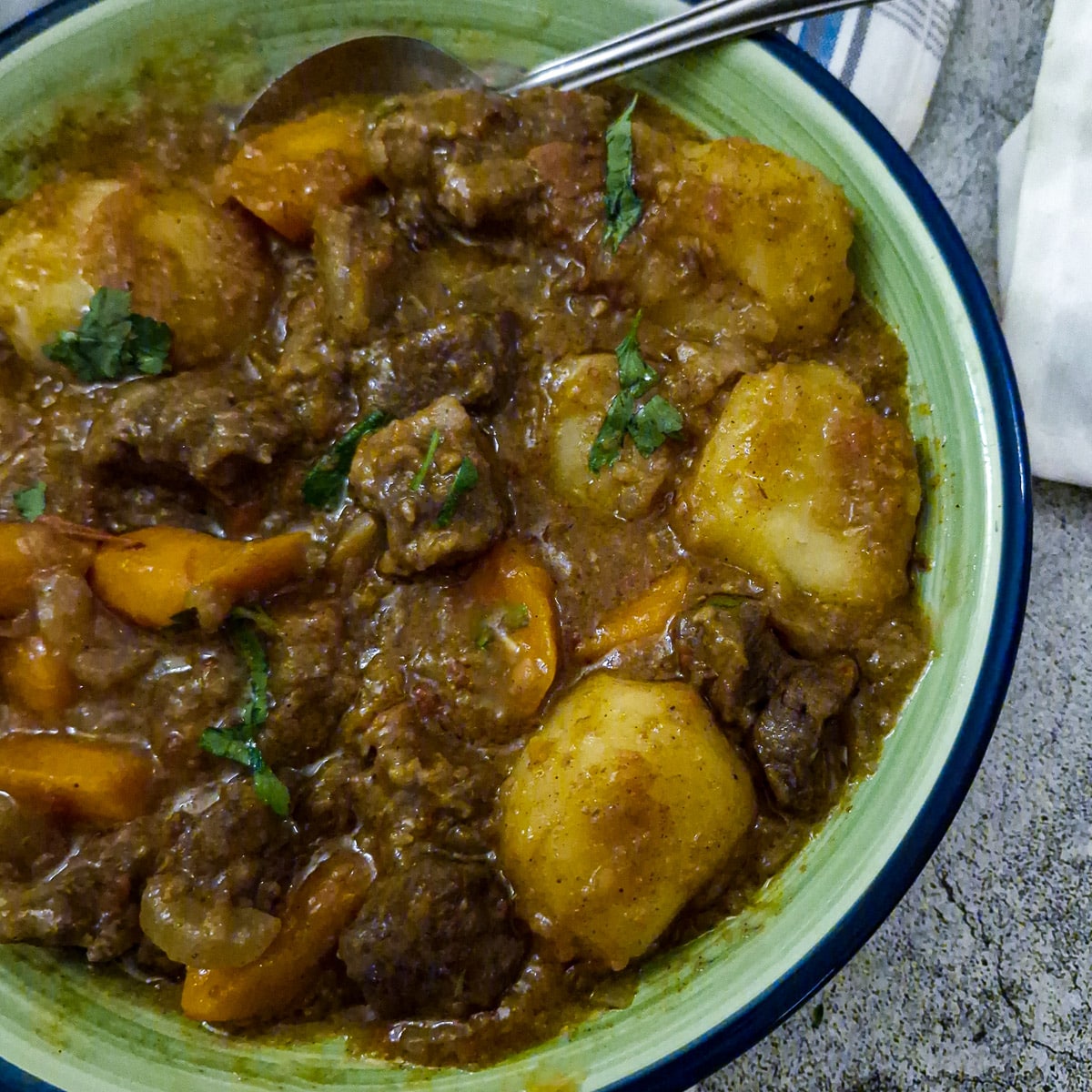
Table of Contents
- Why you'll love this tomato and lamb stew
- Recipe information
- Ingredients for tamatie bredie
- Instructions
- Tips for a successful outcome
- Cooking time for different cuts of lamb
- How much lamb do I need per person?
- How to peel tomatoes
- How to adapt the recipe for a slow cooker
- Serving suggestions
- Variations
- Equipment
- Storage
- Top Tip
- FAQ
- Save for later
- Related recipes
- The recipe
Why you'll love this tomato and lamb stew
- ⭐ Traditional South African favourite - this dish has definitely stood the test of time, having been passed down through generations.
- ⭐ Simple ingredients, but huge flavour! You can turn lamb, potatoes, carrots, tomatoes and onions, and a few herbs and spices into an amazing meal!
- ⭐ A one-dish meal - apart from a dish of rice that is traditionally served with this dish, everything is made in one pan. You could even forego the rice and serve the dish with crusty bread instead.
- ⭐ Even better the next day - the flavours deepen beautifully, making this dish perfect for leftovers or a make-ahead meal.
- ⭐ Flexible recipe - while tamatie bredie is traditionally made with lamb or mutton, it also works well with stewing beef.
Recipe information
Prep time: 20 minutes - to coat and brown the meat, and soften the onions.
Cooking time: 2 hours using meat from the lamb leg. If you use stewing lamb, you should add an extra half hour to the cooking time.
Yield: Serves 4 people.
Ingredients for tamatie bredie
**You can find the exact ingredient quantities on the printable recipe card at the end of this post.**
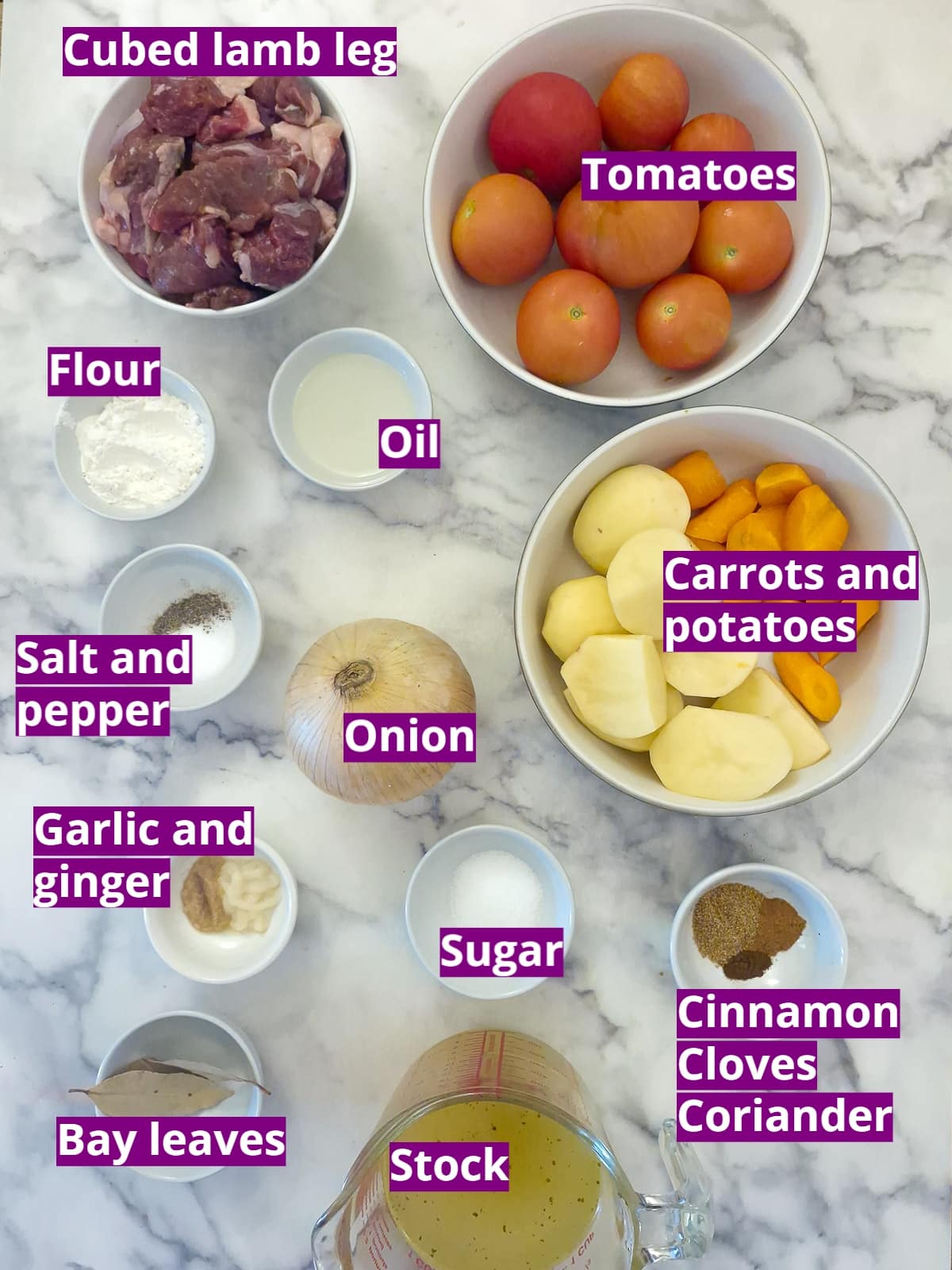
- Lamb. The timing for this recipe is based on using a cut of lamb leg, but you can use bone-in stewing lamb, too. See cooking time for different cuts of lamb and also how much lamb do I need per person? below. The lamb should be cut into large bite-sized chunks, unless you are using bone-in lamb, in which case, have your butcher cut it into smaller pieces if necessary.
- Flour, salt and pepper. This is used to coat the lamb before it is browned to seal in the juices.
- Oil. Neutral-flavoured vegetable oil for browning the lamb.
- Tomatoes. You can use fresh or canned tomatoes. If using fresh tomatoes, you will need the equivalent of about 3 cups of chopped tomatoes, which would be about 8 medium tomatoes. If using canned tomatoes, you would need at least one 14-ounce can of chopped tomatoes (and their juice). The fresh tomatoes should be peeled and diced. See how to peel tomatoes below.
- Onions. You will need 2 medium or one large onion, which should be peeled and either sliced or diced. This will work out to roughly 2 cups of onions.
- Potatoes. The potatoes should be peeled and cut into large chunks. I normally quarter medium potatoes; larger ones can be cut into 6 or 8 pieces, depending on size.
- Carrots. The carrots should be peeled and cut into thick slices. These are optional, but they add a slight sweetness to the dish and also serve as an extra vegetable if you are making this as a one-pan meal.
- Garlic and ginger. Classic flavouring in a bredie. You can use either fresh garlic and ginger, which have been finely minced or for convenience, use garlic and ginger from a jar.
- Sugar. This is optional, but I find a small amount of sugar helps to balance the acidity of the tomatoes.
- Bay leaves. These add a subtle herby taste to the dish. It's not the end of the world if you leave it out.
- Cinnamon, cloves and coriander. These classic Cape Malay flavours add a pleasant warmth to the dish.
- Stock. I found that one cup of stock added just the right amount of moisture. If your tomatoes are very juicy, you might want to cut this down to half a cup.
- Chopped parsley or coriander - optional for garnish.
Instructions
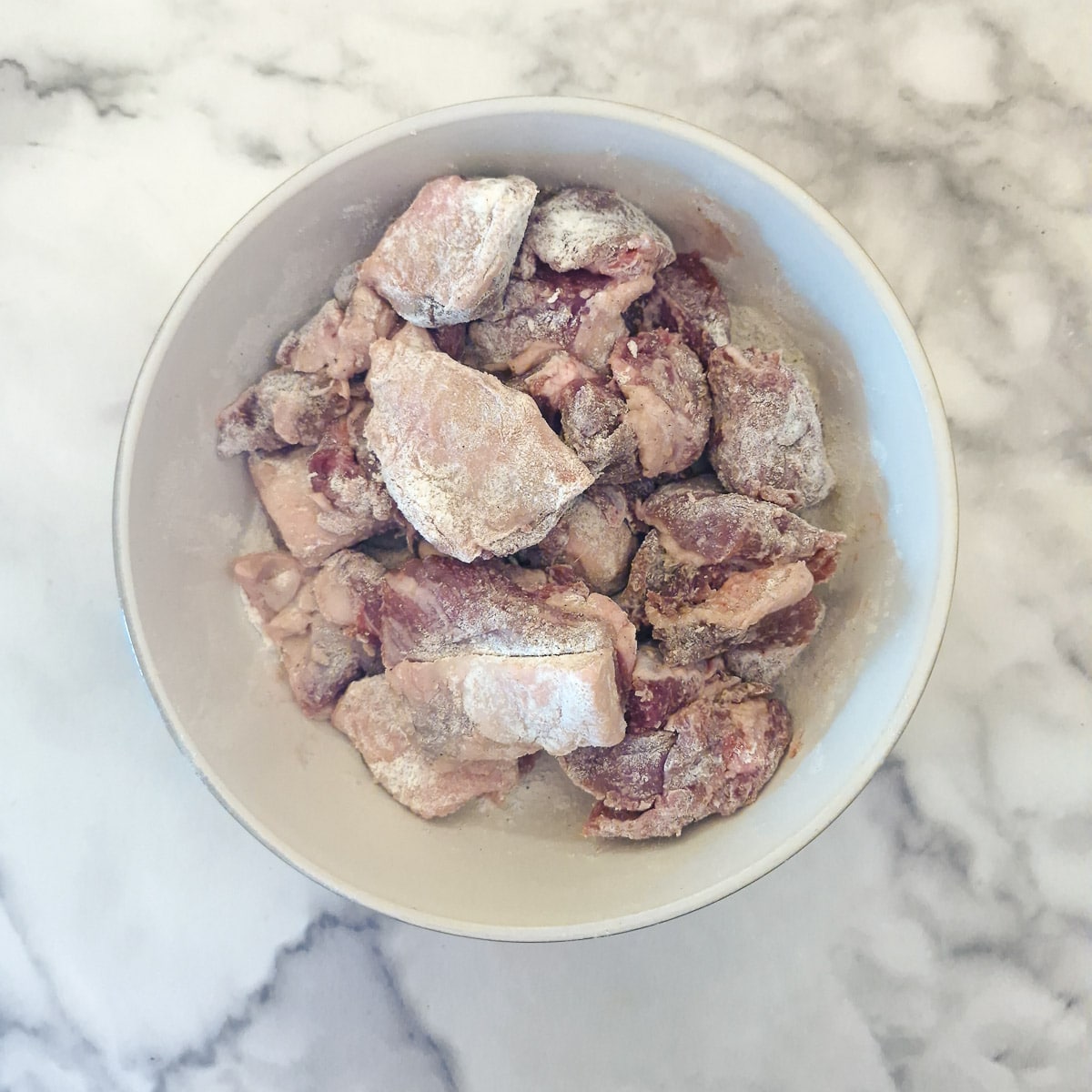
Step 1: Combine the flour, salt and pepper and use it to coat the pieces of lamb.
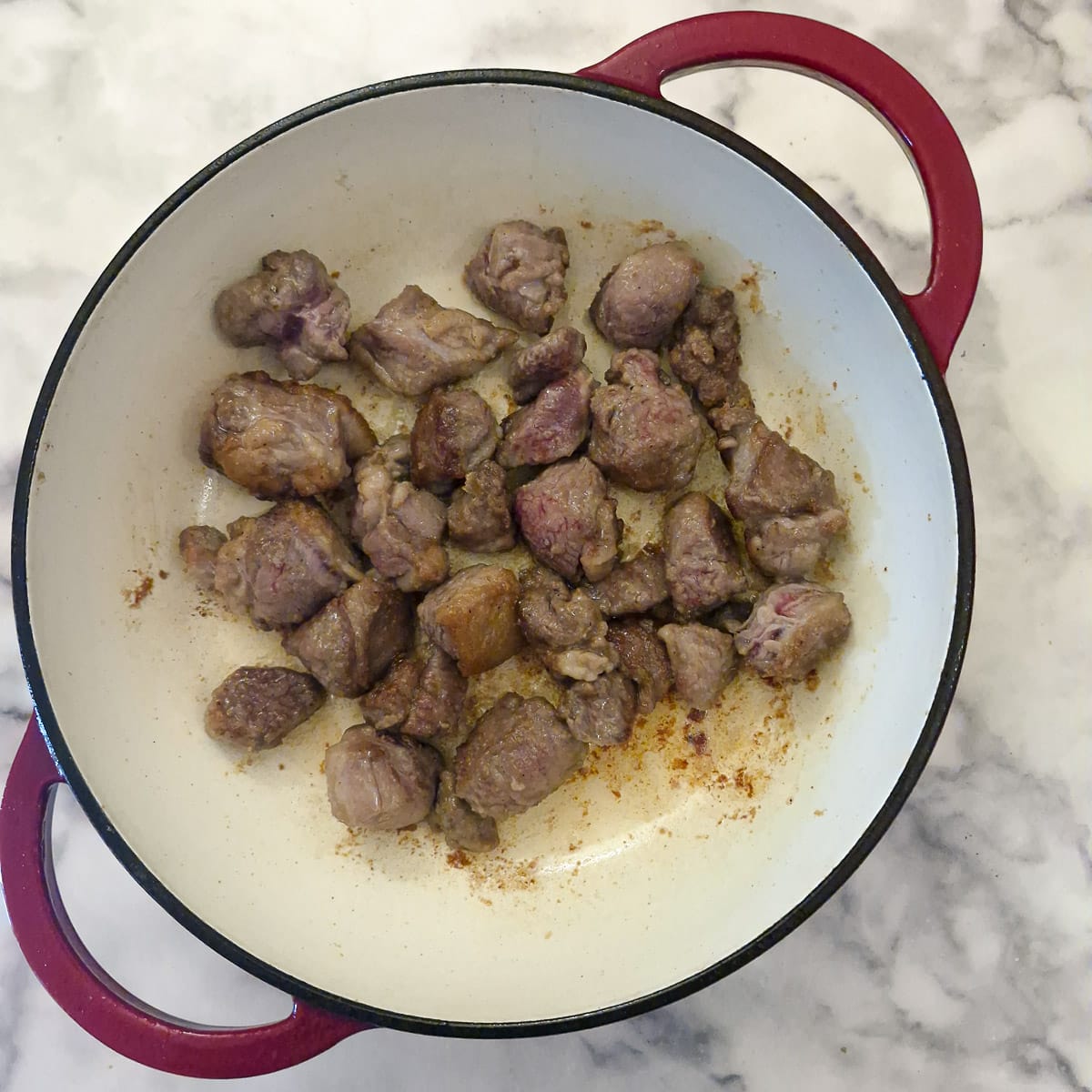
Step 2: Heat the oil in a pan on moderate to high heat and brown the lamb on all sides. Remove the browned lamb to a plate and set aside.
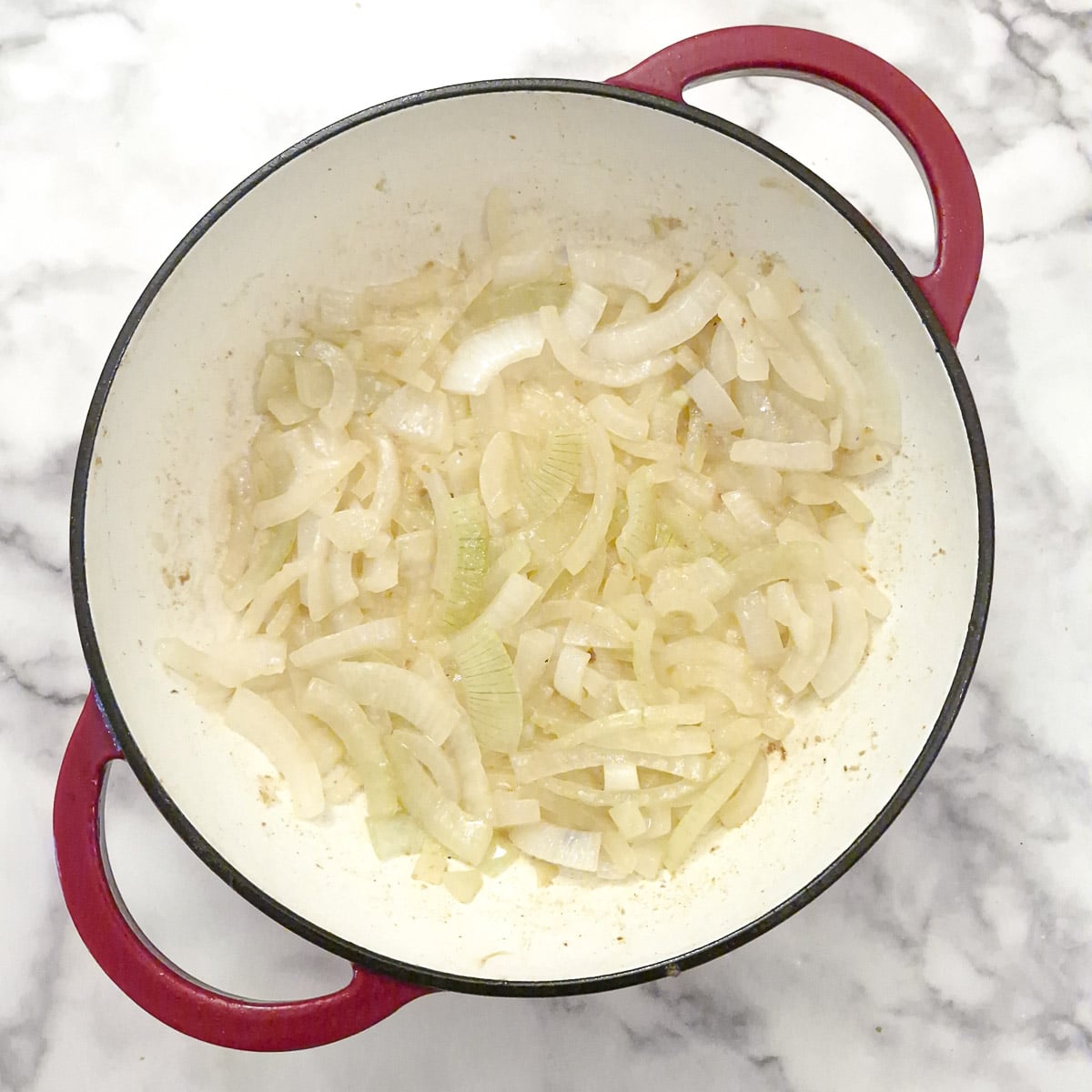
Step 3: Add the sliced onions to the pan (with another splash of oil if necessary) and stir them on moderate heat until they start to soften.
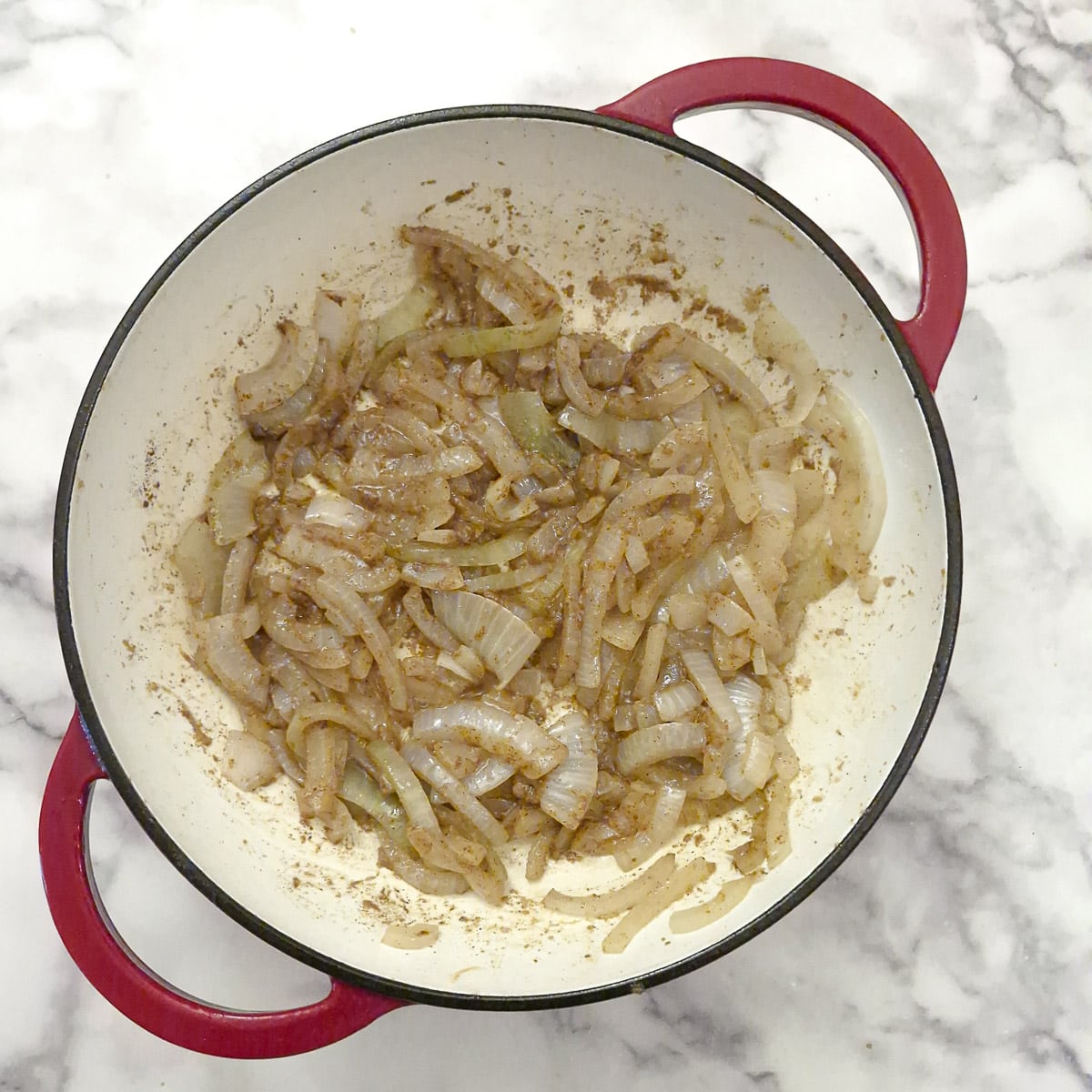
Step 4: Stir in the cinnamon, cloves, ginger and garlic cook for 1 minute longer.
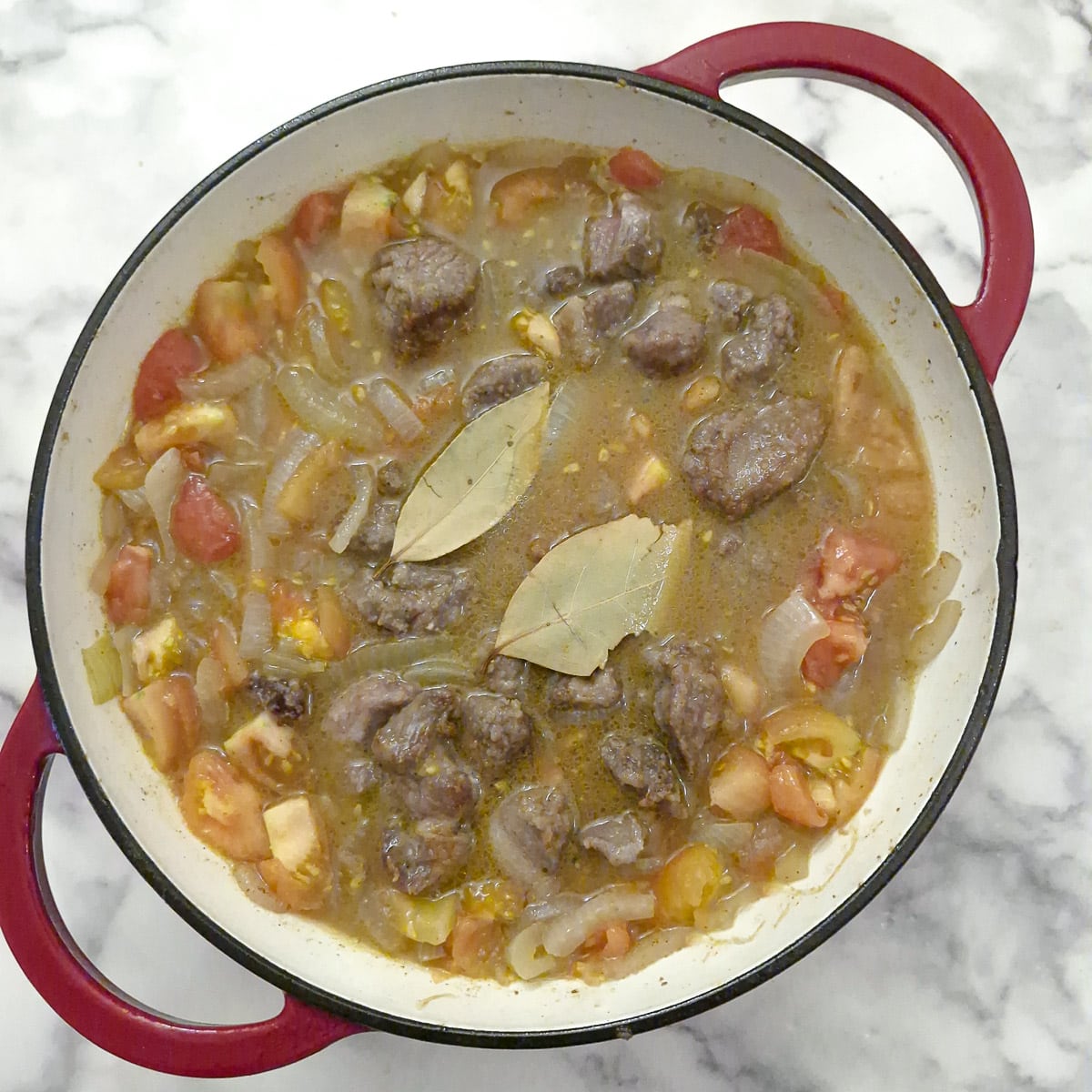
Step 5: Return the meat to the pan. Stir in the stock, sugar, tomatoes and ground coriander and add the bay leaves.
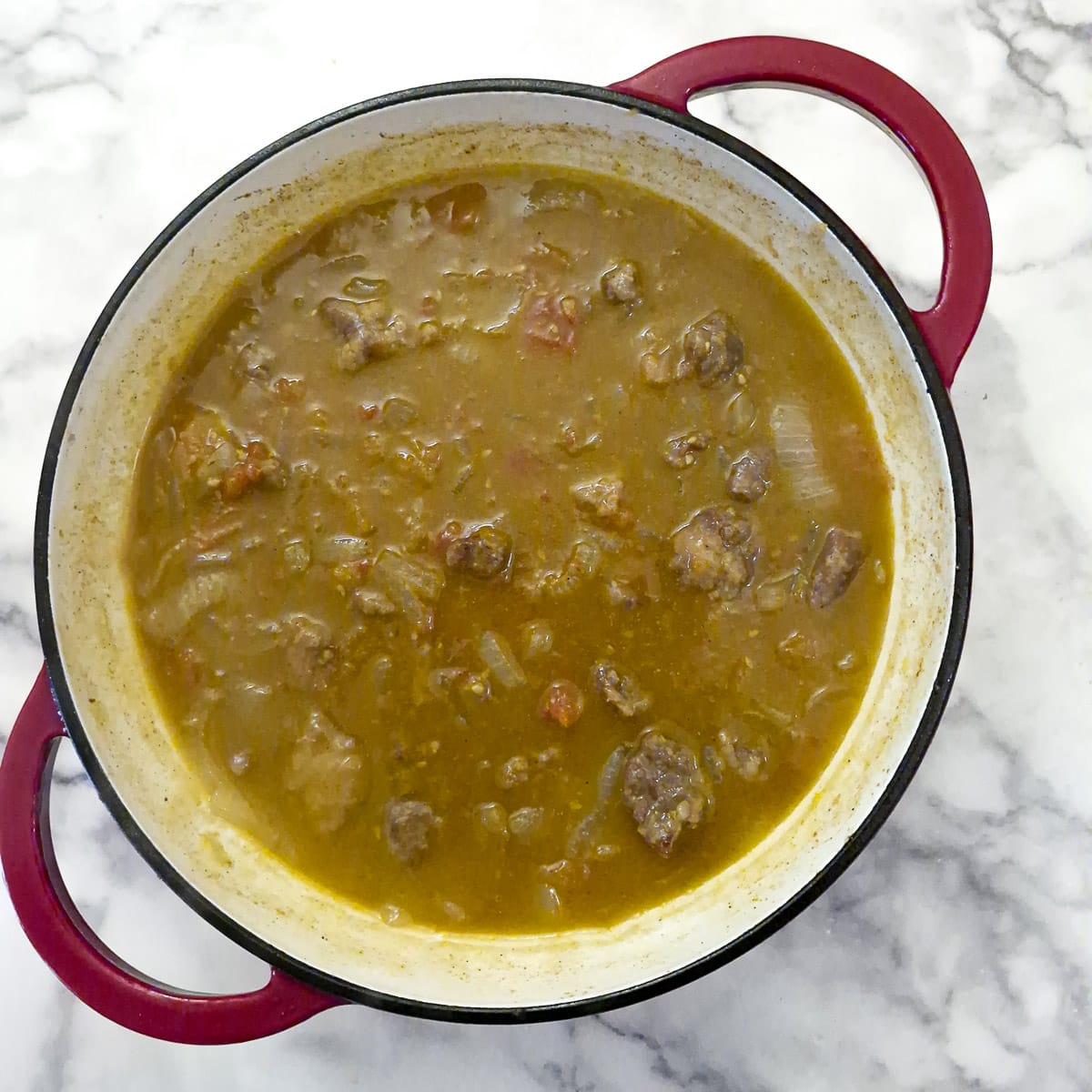
Step 6: Cover the pan with a lid and simmer for 1½ to 2 hours, stirring occasionally, until the meat is tender. Top up with additional stock or water if necessary.
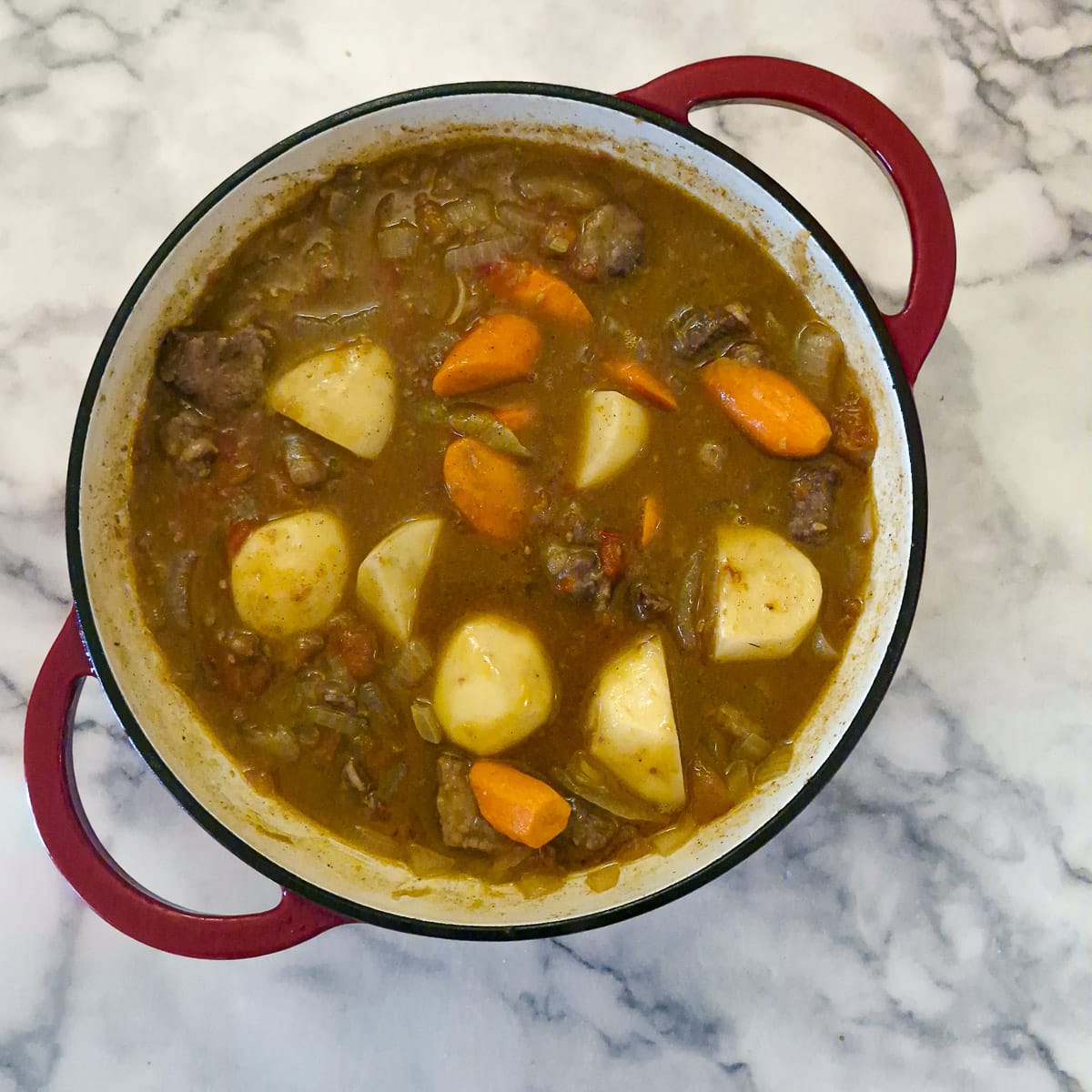
Step 7: About 30 minutes before the end of the cooking process, add the potatoes and carrots.
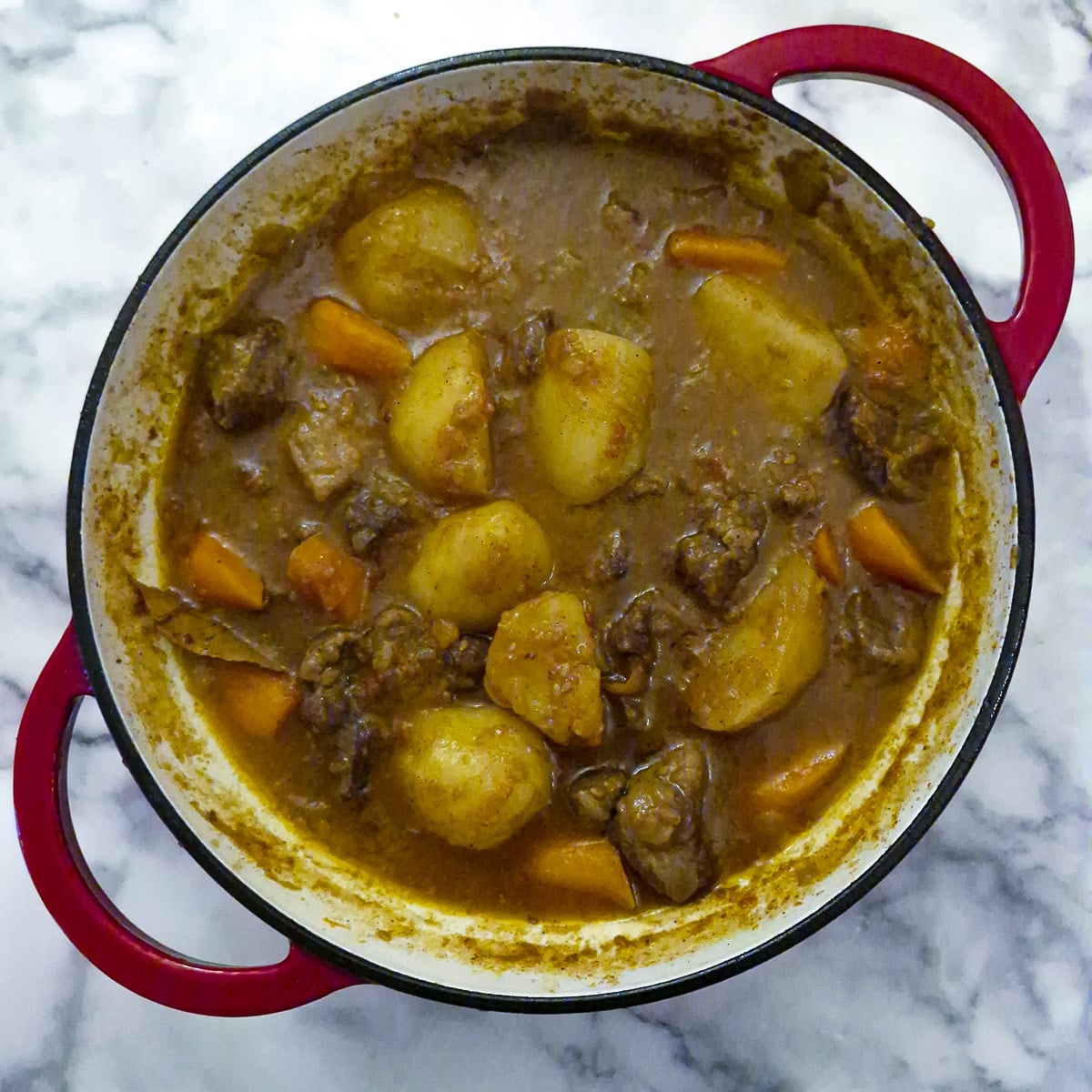
Step 8: Continue to simmer until the vegetables are soft. Remove the bay leaves, taste for seasoning and add salt and black pepper if necessary.
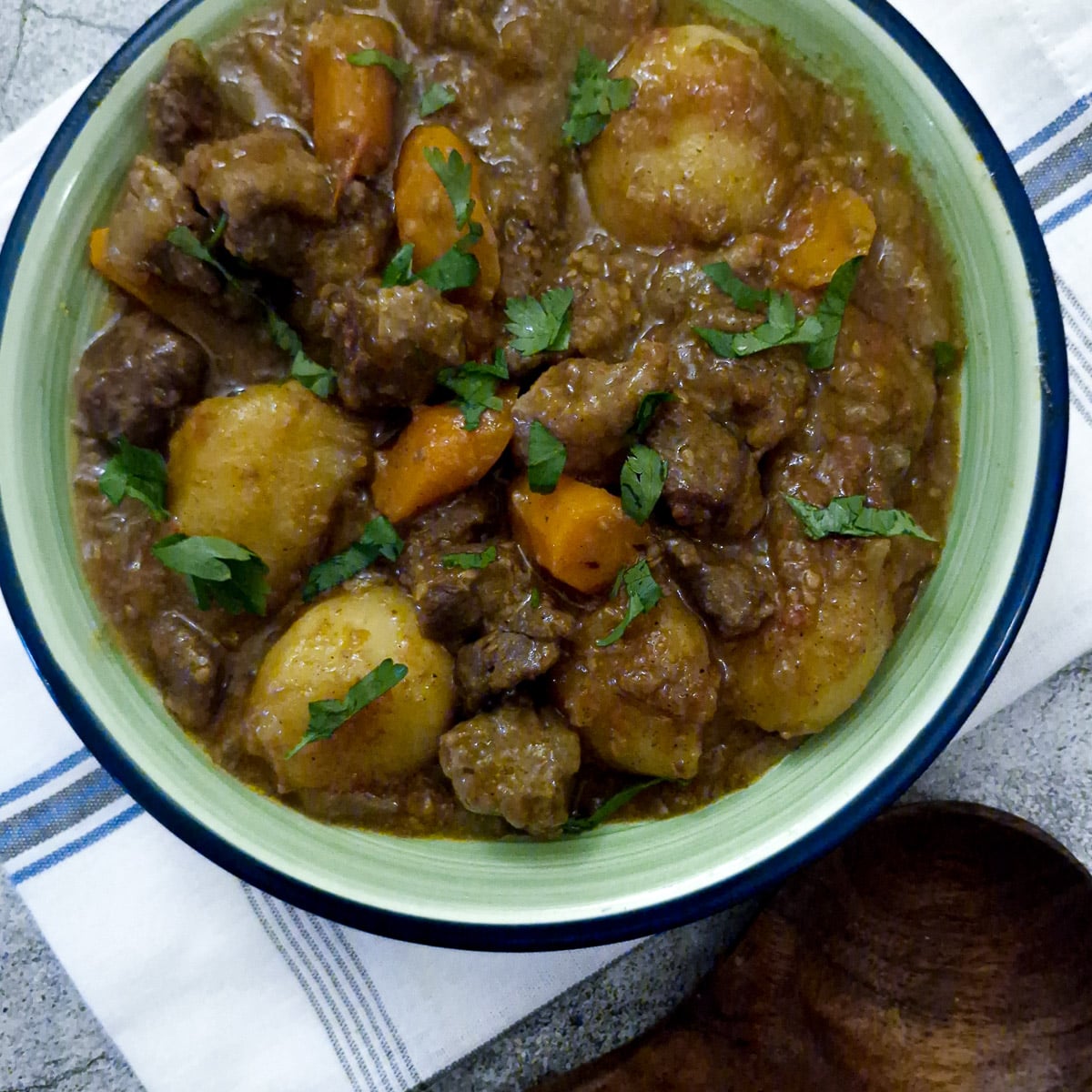
Garnish with chopped parsley or coriander and serve hot with your choice of starch. Optionally add one of two side dishes of additional vegetables.
Tips for a successful outcome
Here are my top tips to ensure your lamb and tomato stew always turns out perfectly:
- Take your time in browning the lamb so it sears on all sides. This helps keep the juices in the lamb, ensuring it will be succulent. Don't overcrowd the pan or the meat will draw water and boil rather than sear - cook in batches if necessary.
- Keep the heat low when cooking the bredie, so the lamb has plenty of time to simmer. The secret to this recipe lies in a long, slow cooking - lamb that is allowed to boil will simply toughen up.
- Don't add the potatoes and carrots too soon. Adding them too early will mean they overcook and become mushy.
- Adjust the thickness of the gravy. If the gravy seems too thin, cook it uncovered for the last 20 - 30 minutes to allow it to thicken naturally. On the other hand, if too much liquid has evaporated, the gravy may be too thick - you can thin it down with a splash of water or extra stock. The gravy should be thick enough to coat the meat and vegetables, not slosh around on the plate.
Cooking time for different cuts of lamb
Different cuts of lamb cook at different times. Shoulder, neck and knuckle are tougher and more sinewy than lamb leg. Consequently, they have to cook for longer to become meltingly tender. Here's a quick guide to the different cooking times:
- Lamb leg (boneless) - between 1.5 and 2 hours.
- Lamb shoulder (bone-in or boneless) - between 2 to 2.5 hours.
- Neck or knuckle (on the bone with lots of connective tissue) - 2.5 to 3 hours
👉 Whatever cut of meat you decide to use, the carrots and potatoes should still only go in for the last 30 minutes. That way, they soften perfectly without turning to mush.
How much lamb do I need per person?
This depends on whether you are using bone-in or boneless lamb. Bone-in cuts have a good deal of bone and connective tissue so you'll need to allow more per person to get the same amount of meat on the plate.
A good rule of thumb is to add around 30% extra weight when using bone-in meat, compared to boneless.
- Boneless lamb (leg or shoulder) - allow 150 grams or 5 ounces per person
- Bone-in cuts (shoulder, neck, knuckle) - allow 200 grams or 7 ounces per person
Allowing for shrinkage during cooking, this will provide a generous helping of lamb.
👉 Bone-in meat needs more weight because the bones take up space, but they also add loads of flavour to the gravy.
How to peel tomatoes
Tomatoes are easy to peel - here's how to do it:
- Cut a shallow cross through the skin at the base of each tomato.
- Place the tomatoes in a deep bowl and cover them with boiling water.
- Leave them to stand for 2 to 3 minutes - no longer.
- Pour cold water into the bowl (to cool it so you don't burn your fingers), then tip the water out.
- Starting at the cross-cut, you should easily be able to peel the skin away from the tomatoes.
How to adapt the recipe for a slow cooker
This lamb and tomato bredie is the perfect recipe for a slow cooker, because it loves the long, slow, gentle cooking. Here's how to adapt the recipe:
- Brown the lamb pieces in a pan first and transfer them to the slow cooker.
- Add all the remaining ingredients, but only add half a cup of stock. There is very little evaporation in meals cooked in a slow cooker, so you will definitely need less liquid.
- Cooking time:
- Lamb leg (boneless) - 6 to 7 hours on LOW or 3 to 4 hours on HIGH.
- Shoulder / neck / knuckle - 7 to 8 hours on LOW or 4 to 5 hours on HIGH.
- The gravy should be thick and rich. If it is a bit thin, leave the lid off for the last 30 minutes, or stir in 2 teaspoons of cornflour mixed to a smooth paste with 2 tablespoons of cold water. Leave to cook until the gravy has thickened
- Don't forget to taste the finished dish and adjust the seasoning if necessary.
Serving suggestions
Here are a few ways in which you could serve this dish:
- Traditional style - serve piping hot over a bed of plain white rice to soak up the rich tomato gravy.
- With mashed potatoes - creamy mashed potatoes pair beautifully with the tender lamb and the luscious sauce.
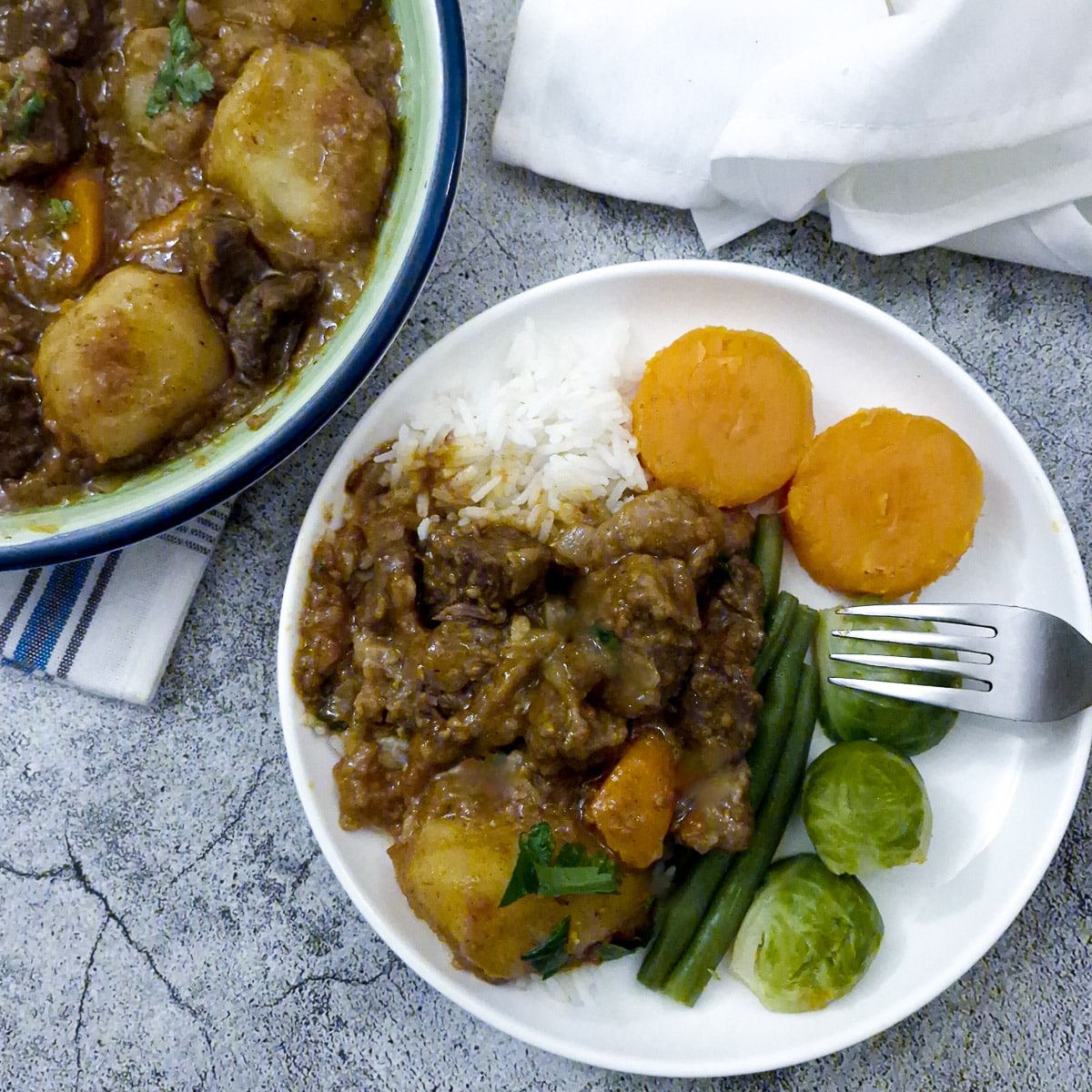
- Add extra vegetables on the side - I like to add a sweet vegetable such as butternut or sweet potato, and something green such as beans, brussels sprouts or broccoli.
- With crusty bread - forego the rice or potatoes and simply serve it with crusty bread to mop up all the delicious sauce.
- South African style - serve it over pap (maize porridge) or samp (dried corn kernels, soaked overnight in water then boiled until swollen and tender).
Variations
And of course, no good recipe is complete without a few ideas to make it your own!
💡Turn it into a beef bredie. Swap out the lamb for beef chuck or shin. It's just as delicious, although not quite as rich as lamb.
💡Add extra vegetables. You can bulk this out by adding extra vegetables such as green beans, butternut, pumpkin or even cabbage. Just take into account the length of time each vegetable will take to cook and add them at the appropriate time.
💡Spice it up. While Cape Malay cooking is fragrant rather than spicy, there's nothing stopping you from adding a little cayenne pepper or dried chilli flakes to spice things up a little.
Equipment
- A hob-safe casserole dish with a lid. I like to use a cast-iron one with a heavy base that doesn't burn easily. The lid also fits tightly, keeping the steam in the pan where it belongs so the liquid doesn't evaporate too quickly. You could also use a large saucepan, frying pan or saute pan. It just needs to be large enough to hold all the ingredients.
- For cutting up the meat and vegetables, you will need a sharp knife, a chopping board and a vegetable peeler.
- A small bowl will be handy to coat the meat in seasoned flour before it is browned, and a spatula is useful for stirring the bredie.
Storage
- Refrigerator. Allow the bredie to cool completely, then store it in a covered container in the refrigerator for up to 3 days. The flavours actually deepen on standing, so it's a great meal for preparing a day or so ahead.
- Freezer. Once cooled, transfer to freezer-safe containers and freeze for up to 3 months.
- Portioning. Freeze in meal-sized portions so you can defrost only what you need.
- Defrosting. Thaw overnight in the refrigerator, or use the defrost function on your microwave if you're in a hurry.
- Reheating. Reheat gently on the stove or in the microwave until piping hot. If the gravy has thickened in the refrigerator, add a splash of water or stock to loosen it.
Top Tip
Always taste and adjust the seasoning once the bredie is fully cooked, and add extra salt and/or pepper to your liking. If you find the tomatoes have given the dish a tart taste, half a teaspoon of sugar will balance this nicely.
FAQ
The word bredie actually comes from the Malaysian word beredi, which simply means stew.
When the Cape Malay community settled in South Africa in the 17th century, they brought with them a rich tradition of slow-cooked, spice-infused dishes. Over time, these dishes blended with local ingredients, especially lamb and seasonal vegetables, to create the South African bredies we know today. Classics include green bean bredie, lamb bredie and the ever-popular beef bredie.
They are pretty much the same, the main difference being the amount of gravy! While a stew typically contains a large amount of stock, a bredie relies more on the juices from the vegetables to form the gravy.
Save for later
If you would like to try this tamatie bredie, why not save the recipe to one of your Pinterest boards so you can find it easily? Just click the image below.
Alternatively, you can save the recipe by clicking on the floating heart icon on the right-hand side of the screen.
Related recipes
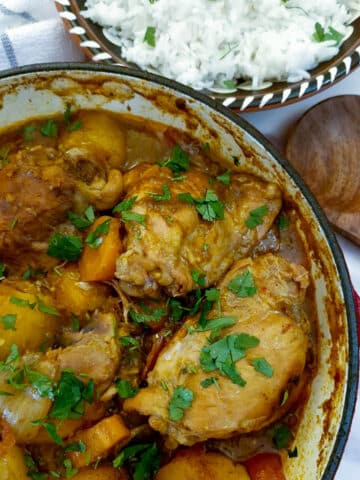
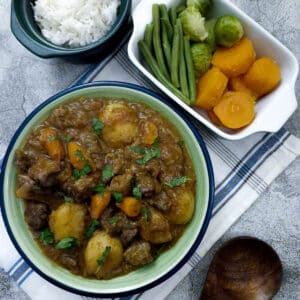
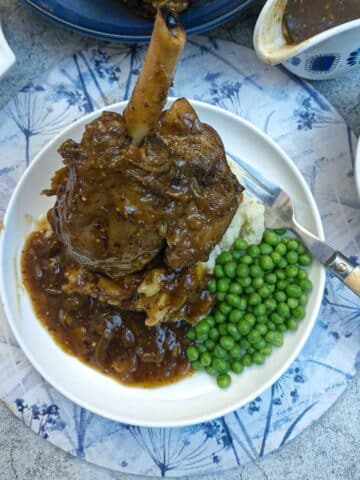
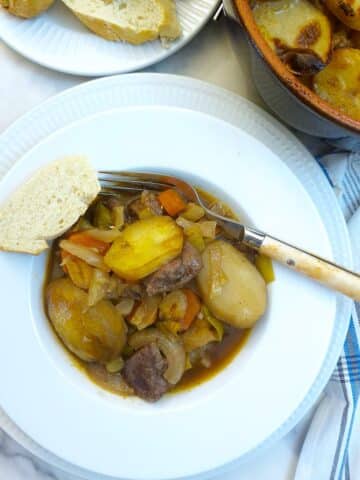
Visit my South African recipes page for other tasty recipes. In the meantime, here are a few you might enjoy:
The recipe
Tamatie bredie - tomato stew with lamb
(Click the stars to rate this recipe)
Equipment
- Hob-safe casserole dish with lid
- Sharp Knife
- Chopping Board
- Vegetable peeler
- Sptula
- Small bowl
Ask a Question
If you have a question about this recipe that has not been answered, please use the box below to ask it.
Use this with care. This is an AI-generated result and may contain errors or inaccuracies. I cannot be held responsible for the information returned.
Ingredients
- 1¼ pound / 600 grams boneless lamb leg cut into pieces
- 2 tablespoons flour
- ½ teaspoon salt
- ¼ teaspoon black pepper
- 2 tablespoons sunflower oil or any neutral-flavoured cooking oil
- 2 medium onions thinly sliced
- 2 cloves garlic minced
- 1 thumb-sized piece of ginger peeled and grated (or use ginger paste from a jar)
- ½ teaspoon ground cinnamon
- ¼ teaspoon ground cloves
- 1 teaspoon ground coriander
- 1 teaspoon sugar to balance the acidity of the tomatoes (optional)
- 6 - 8 medium tomatoes peeled and chopped
- 4 medium potatoes peeled and cubed
- 3 medium carrots peeled and sliced (optional)
- 1 cup chicken stock
- 2 bay leaves fresh or dried
- Salt and black pepper to taste
- Fresh parsley or coriander for garnish
Instructions
- Combine the flour, salt and pepper and use it to coat the pieces of lamb.1¼ pound / 600 grams boneless lamb leg, 2 tablespoons flour, ½ teaspoon salt, ¼ teaspoon black pepper
- Heat the oil in a pan on moderate to high heat and brown the lamb on all sides. Remove the browned lamb to a plate and set aside. This should take 4 to 5 minutes.2 tablespoons sunflower oil
- Add the sliced onions to the pan (with another splash of oil if necessary) and stir them on moderate heat until they start to soften - 3 to 4 minutes.2 medium onions
- Stir in the cinnamon, cloves, ginger and garlic cook for 1 minute longer.2 cloves garlic, 1 thumb-sized piece of ginger, ½ teaspoon ground cinnamon, ¼ teaspoon ground cloves
- Return the meat to the pan. Stir in the stock, sugar, tomatoes and ground coriander, then add the bay leaves.1 teaspoon ground coriander, 1 teaspoon sugar, 6 - 8 medium tomatoes, 1 cup chicken stock, 2 bay leaves
- Cover the pan with a lid and simmer for 1½ to 2 hours, stirring occasionally until the meat is tender. Top up with additional stock or water if necessary.
- About 30 minutes before the end of the cooking process, add the potatoes and carrots and continue to simmer until the vegetables are soft. Remove the bay leaves, taste for seasoning and add salt and black pepper if necessary.4 medium potatoes, 3 medium carrots, Salt and black pepper to taste
- Garnish with chopped parsley or coriander and serve hot with your choice of starch. Optionally add one of two side dishes of additional vegetables.Fresh parsley or coriander
Notes
- Take your time in browning the lamb so it sears on all sides. This helps keep the juices in the lamb, ensuring it will be succulent. Don't overcrowd the pan or the meat will draw water and boil rather than sear - cook in batches if necessary.
- Keep the heat low when cooking the bredie, so the lamb has plenty of time to simmer. The secret to this recipe lies in a long, slow cooking - lamb that is allowed to boil will simply toughen up.
- Don't add the potatoes and carrots too soon. Adding them too early will mean they overcook and become mushy.
- Adjust the thickness of the gravy. If the gravy seems too thin, cook it uncovered for the last 20 - 30 minutes to allow it to thicken naturally. On the other hand, if too much liquid has evaporated, the gravy may be too thick - you can thin it down with a splash of water or extra stock. The gravy should be thick enough to coat the meat and vegetables, not slosh around on the plate.
- Lamb leg (boneless) - between 1.5 and 2 hours.
- Lamb shoulder (bone-in or boneless) - between 2 to 2.5 hours.
- Neck or knuckle (on the bone with lots of connective tissue) - 2.5 to 3 hours
- Boneless lamb (leg or shoulder) - allow 150 grams or 5 ounces per person
- Bone-in cuts (shoulder, neck, knuckle) - allow 200 grams or 7 ounces per person
Nutrition
I am not a nutritionist. The nutrition information has been calculated using an on-line calculator, and is intended for information and guidance purposes only. If the nutrition information is important to you, you should consider calculating it yourself, using your preferred tool.
If you made this recipe and enjoyed it, I'd love it if you could give me a star rating in the comments below. And if you'd like to get in touch, you can email me at veronica@foodleclub.com. I'd love to hear from you. And don't forget to subscribe to my mailing list so you can grab yourself a copy of my FREE COOKBOOK!
If you'd like to continue browsing, just click on this link to all my recipes.

Did you make this recipe? Let me know!