
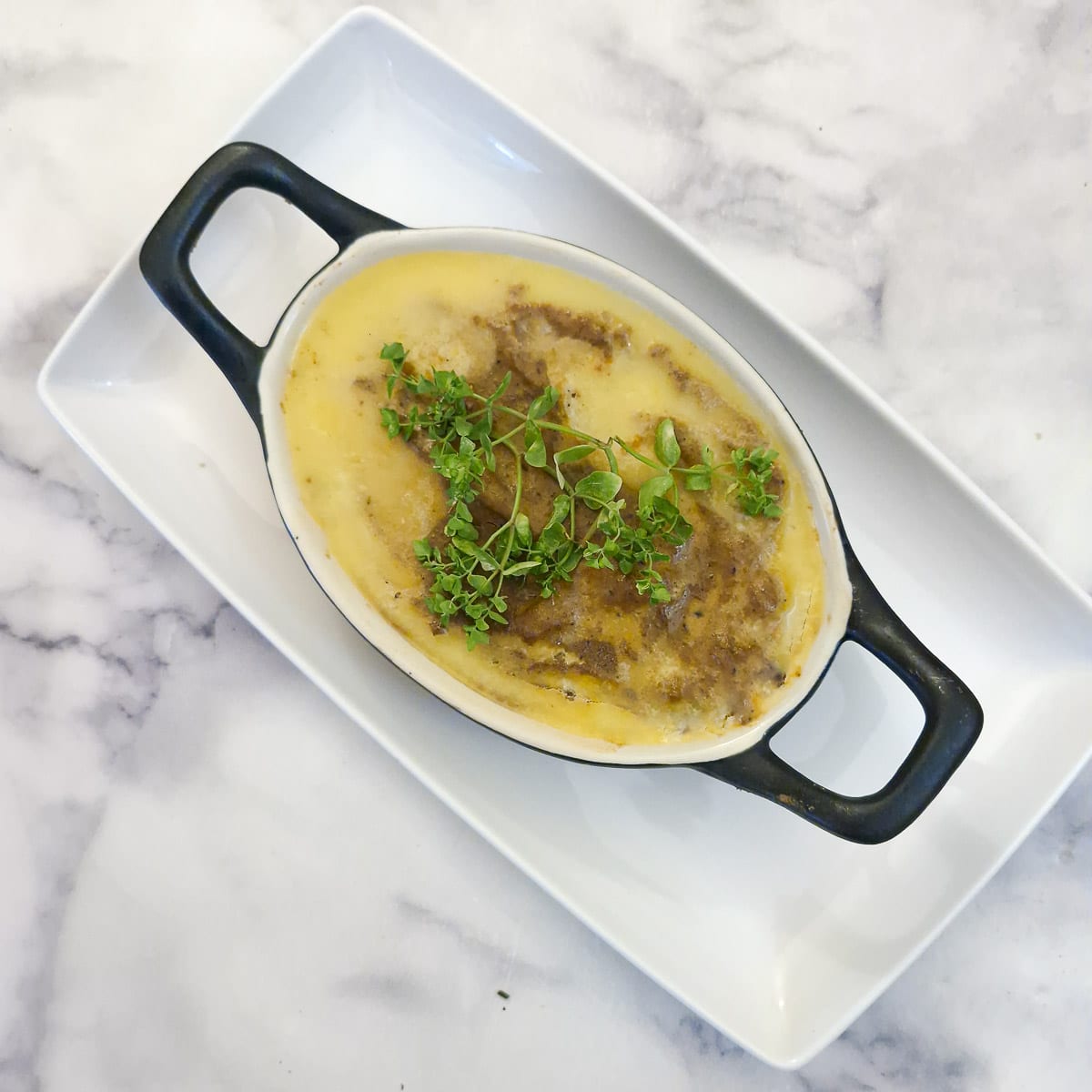
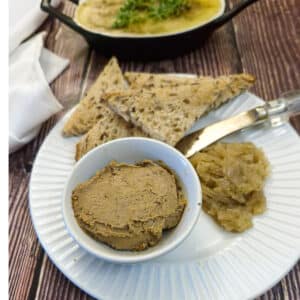
This creamy duck liver pâté flavoured with a dash of brandy is so smooth and tasty, you'll want to spread it on everything! It's quick to make, keeps well in the fridge and is perfect for serving as a starter or adding to a cheese board or ploughman's platter. Pair it with crusty bread, melba toast or even crackers for a delicious gourmet treat!

My husband is a very down-to-earth, straight-talking Englishman. Whenever I tell him I'm making pâté, he says, 'do you mean potted meat?' I could tear my hair out!
Potted meat is a very traditional English staple, as a way of preserving cooked finely chopped meat in a layer of fat or dripping and served as a spread.
Pâté on the other hand, is a classic of French cuisine, often enriched with butter, cream and herbs, and designed to be more of a delicacy than a spread.
But getting back to my duck liver pâté (NOT potted meat) recipe .....
This easy duck liver pâté is full of flavour with a smooth creamy texture that spreads easily onto toast or crackers. The duck liver gives a rich, savoury taste, which is brightened by the sweetness of shallots and tomato puree and the warmth of the brandy. This is a dish that feels special, but is simple enough to enjoy any time.
Once the duck livers have been cooked and blended, the consistency is quite runny, but after it's chilled in the refrigerator, the pâté firms up and soft and spreadable.
You might think that something this delicious takes hours of work, but in reality, this easy duck pâté is surprisingly quick to make. Just a few minutes to saute the onions and duck liver, and then it's just a matter of blending everything into a smooth paste. Chill it in the fridge and you've got a restaurant-quality starter ready for dinner parties, special occasions or just as a treat for yourself.
One taste, and you'll wonder why you ever bought pâté from a shop!
I've even got a quick tip to save you from buying duck livers in the shop. We eat a lot of duck - one of our favourite recipes is this duck in garlic sauce. I buy a whole duck in the supermarket, which has the gizzzards inside in a little plastic bag . I take the duck liver out and freeze it in a small bag. When I've got about 6 livers I turn them into the delicious duck liver pâté .
If you enjoy pâté, you might like to try this chicken liver pâté with bacon or even this (dare I say it) even more tasty mushroom pâté.
Jump to:
Why you should try this duck liver pâté
There's only one reason - because it is lip-smackingly delicious. End of!
Recipe information
Prep time: 15 minutes. That's 5 minutes to prep the duck livers plus 10 minutes to blend the pâté and transfer it into ramekins.
Cooking time: 12 to 15 minutes, depending on the thickness of the duck livers.
Cooling time: 10 minutes - just enough to let the hot duck livers cool before blending.
Yield: About 1 and a half cups of pâté.
Ingredients for creamy duck liver pâté
**You can find the exact ingredient quantities on the printable recipe card at the end of this post.**
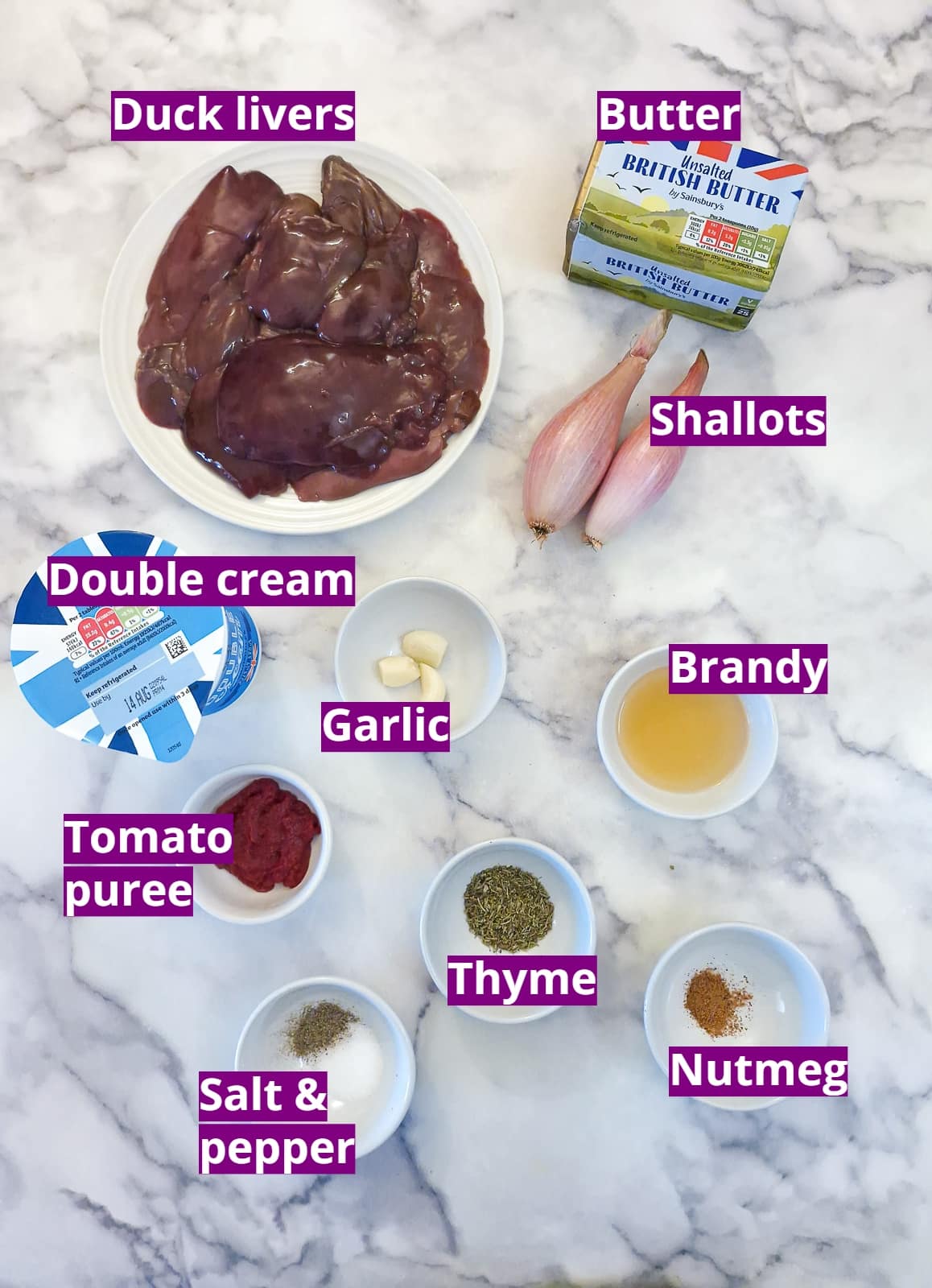
- Duck livers. They should be trimmed of any sinews or bits of green gall bladder and cut into pieces. Depending on the size of the livers, they can probably be cut into 4 pieces each. The size doesn't really matter as they are going to be blended. Just make them all the same size so that they cook at the same time.
- Shallots. I prefer to use shallots as they have a milder flavour than onions. You could use white or red onions instead. They should be peeled and diced.
- Butter. The butter is used both for softening the shallots and for frying the duck livers. It is also blended into the pâté, and optionally, a little butter can be melted and poured over the pâté to seal it.
- Garlic. This is optional, and will be softened with the shallots.
- Tomato puree or tomato paste. I like to add tomato puree to the duck livers. It adds a fresh, slightly sweet flavour.
- Thyme. Adds a slight herby taste. You can substitute with oregano or mixed herbs or leave it out if you prefer.
- Nutmeg. Once again, this is optional, but I like to add a small pinch of nutmeg.
- Double or heavy cream. This will be blended in with the duck livers along with the butter to develop the creamy texture.
- Brandy. You can leave the brandy out if you prefer, or substitute it with apple or grape juice for the slightly fruity taste. Without the brandy, the pâté will still taste good, but the brandy adds a 'restaurant-quality' finish to the pâté. A reader suggested using ruby port instead of brandy. That sounds good to me - ruby port has a distinct fruity taste that would pair extremely well with the richness of duck liver.
- Salt and black pepper. For seasoning and to your own taste.
Instructions
Pat the livers with a piece of paper towel to remove any excess moisture. Trim any bits of sinew from the livers and ensure all parts of the gall bladder have been removed. Cut the duck livers into largish pieces (about 4 pieces per liver, depending on size). Set aside until needed.

Step 1: Melt the butter in a frying pan over a gentle heat, then add the chopped shallots and garlic and saute for 4 to 5 minutes, stirring often, until the shallots have turned translucent.. Do not allow them to brown.
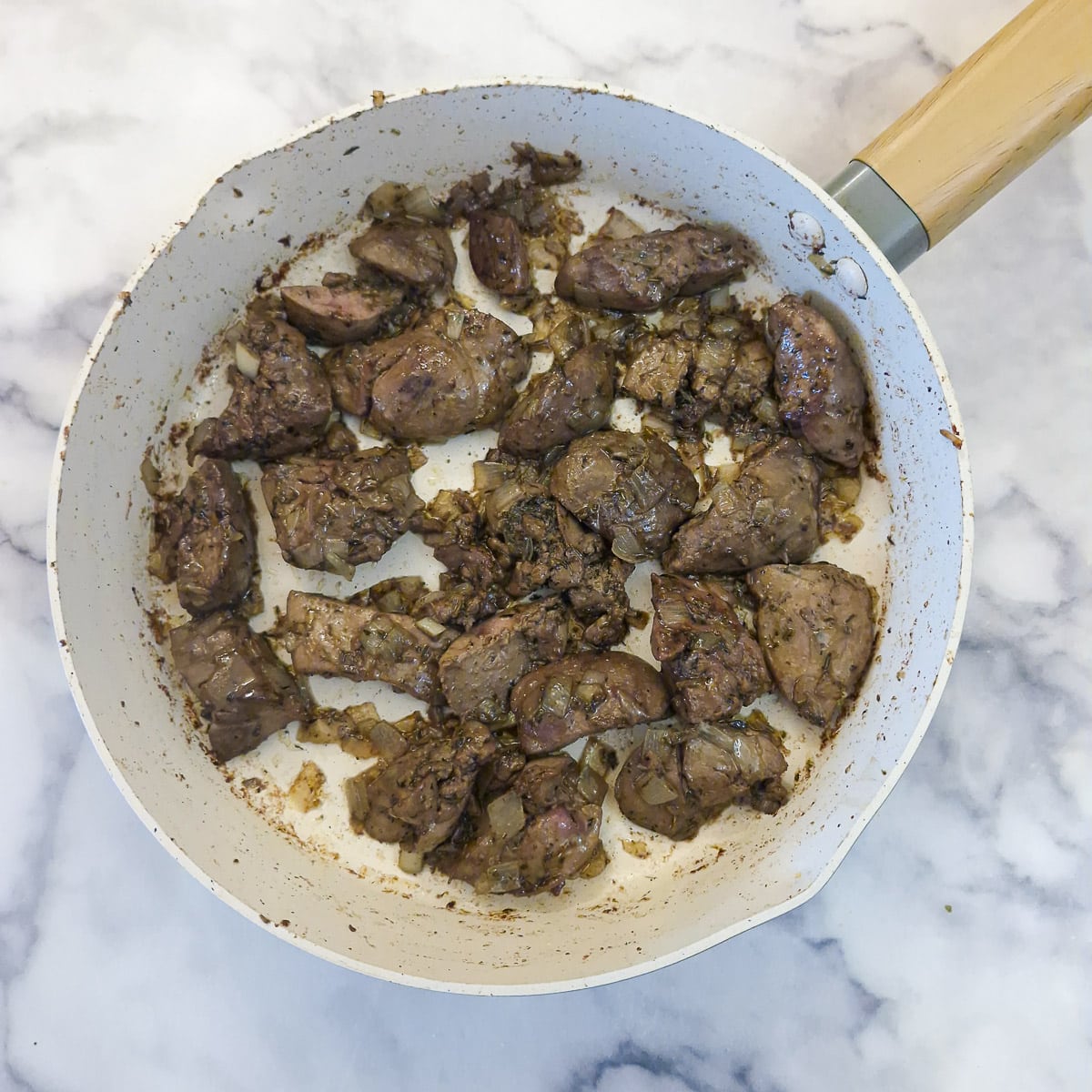
Step 2: Add the duck liver and dried thyme, season with salt and pepper, and fry the liver for 3 to 4 minutes per side. Do not overcook the duck liver; it should be browned, but still pink on the inside.
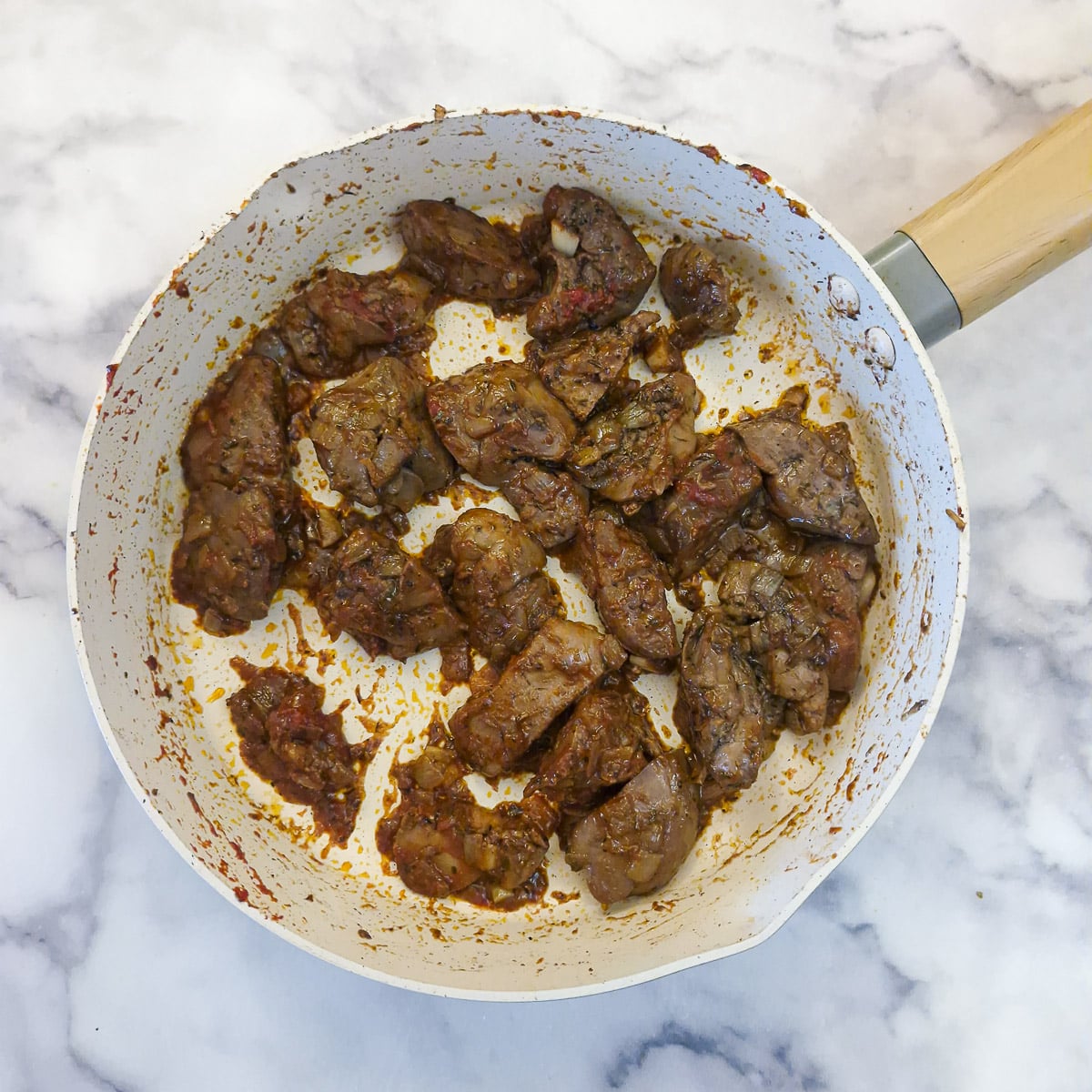
Step 3: Add the tomato puree and brandy and stir to deglaze the pan. Cook for one or two minutes longer, then remove the pan from the heat and allow the liver to cool.
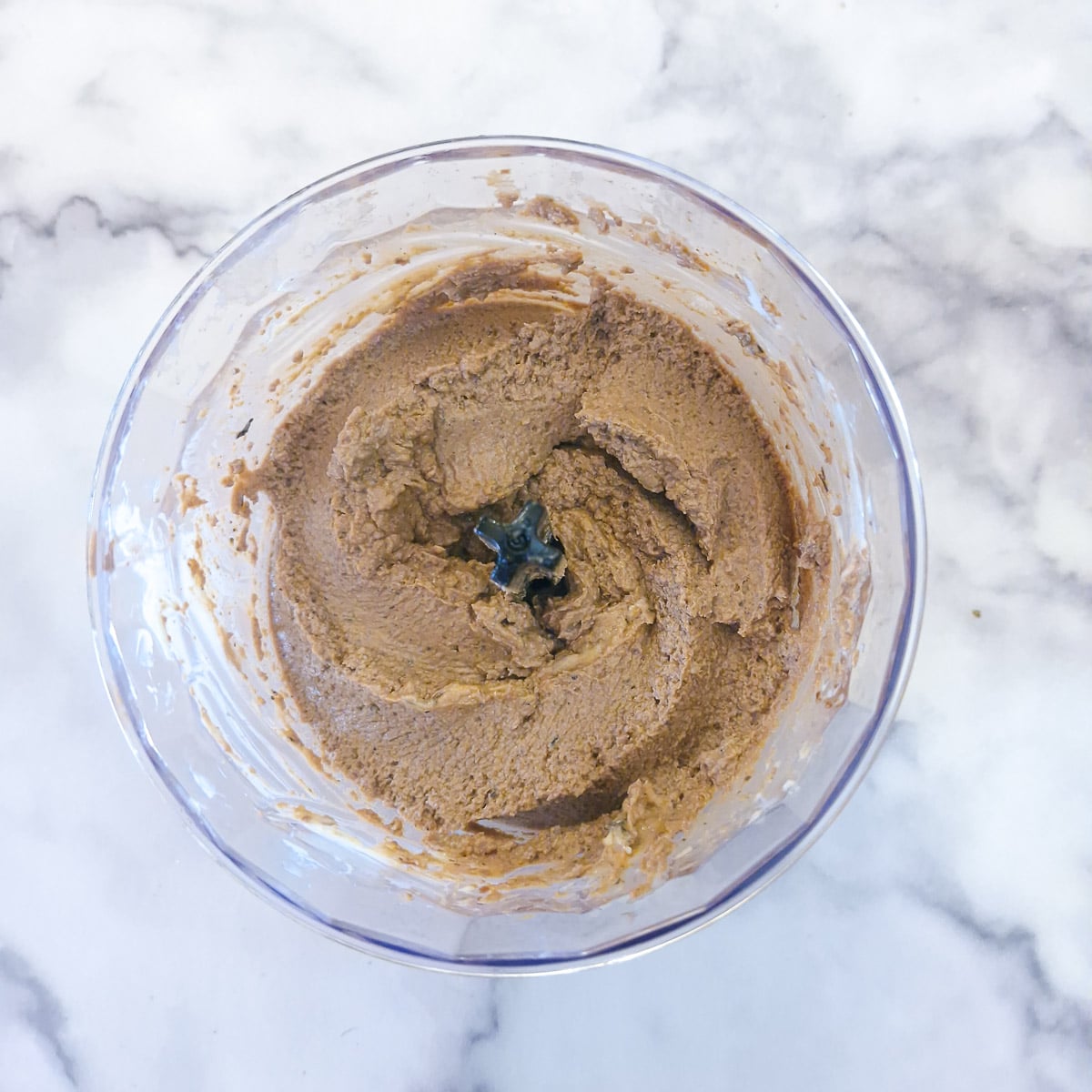
Step 4: Transfer the cooled duck liver into a blender and add the nutmeg, butter and cream. Blend until smooth, and adjust the seasoning to taste.
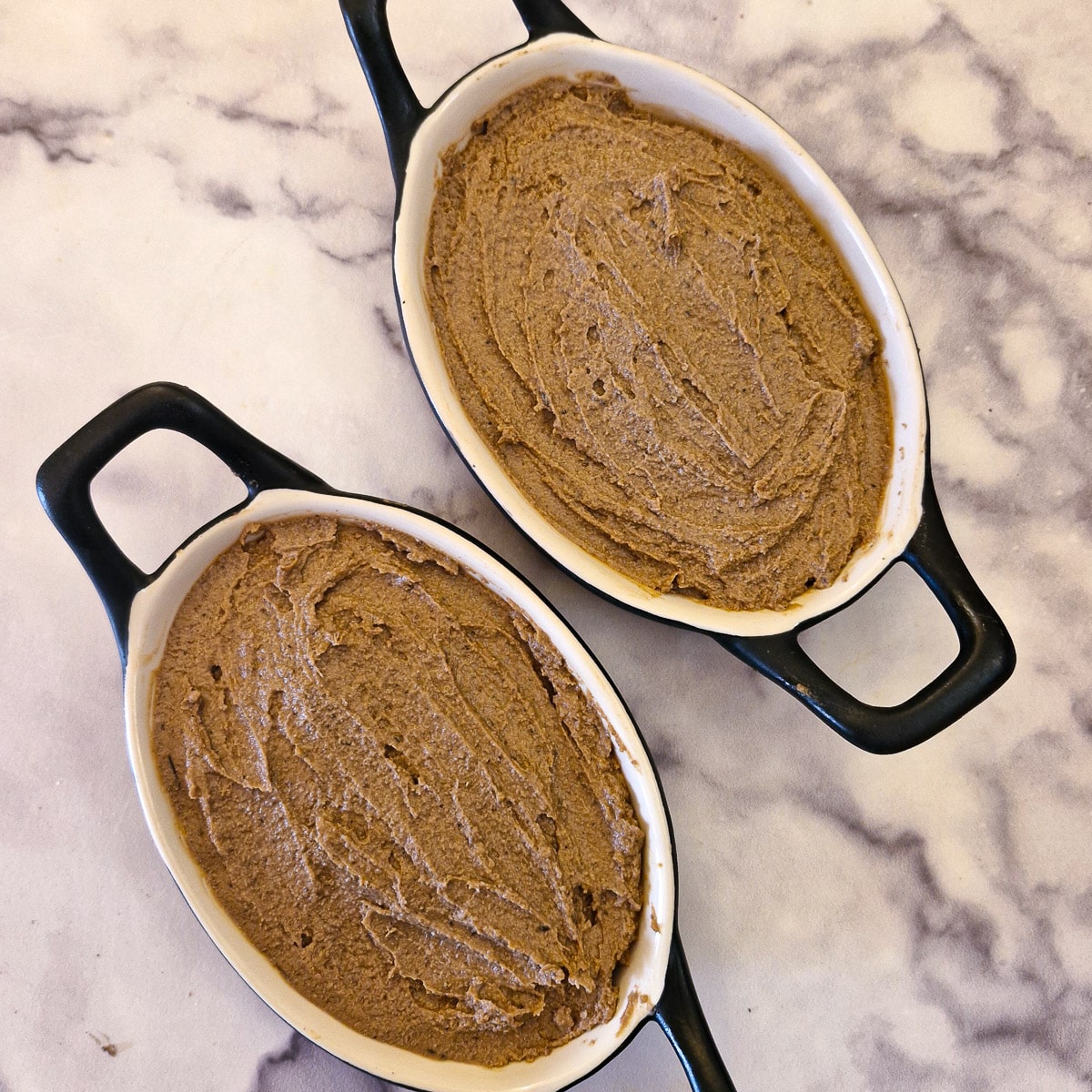
Step 5: Transfer the mixture to ramekins and leave to cool completely.
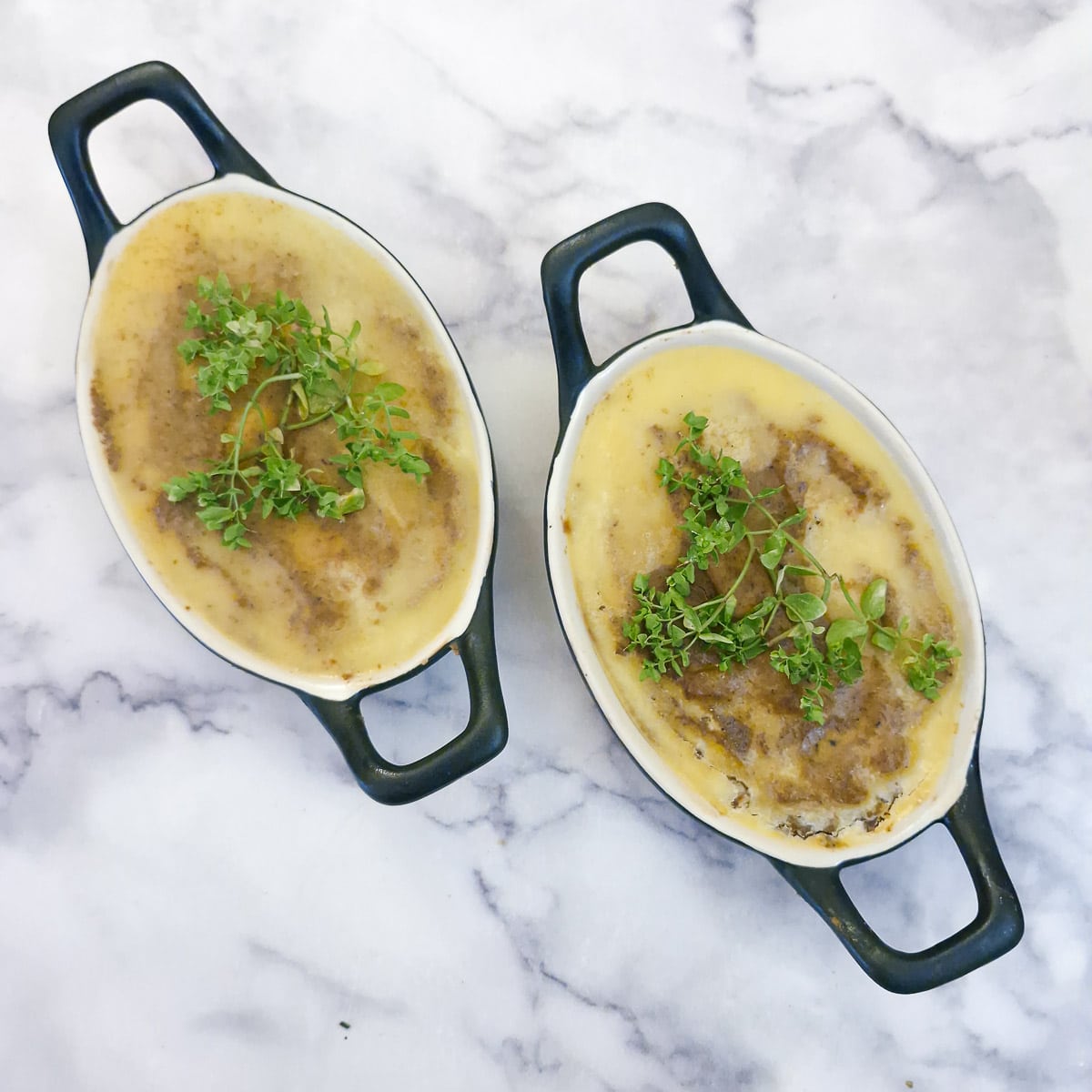
Step 6: Optionally, melt butter and pour it over the pâté to seal. Leave it in the refrigerator to set. Garnish with a sprig of fresh thyme.
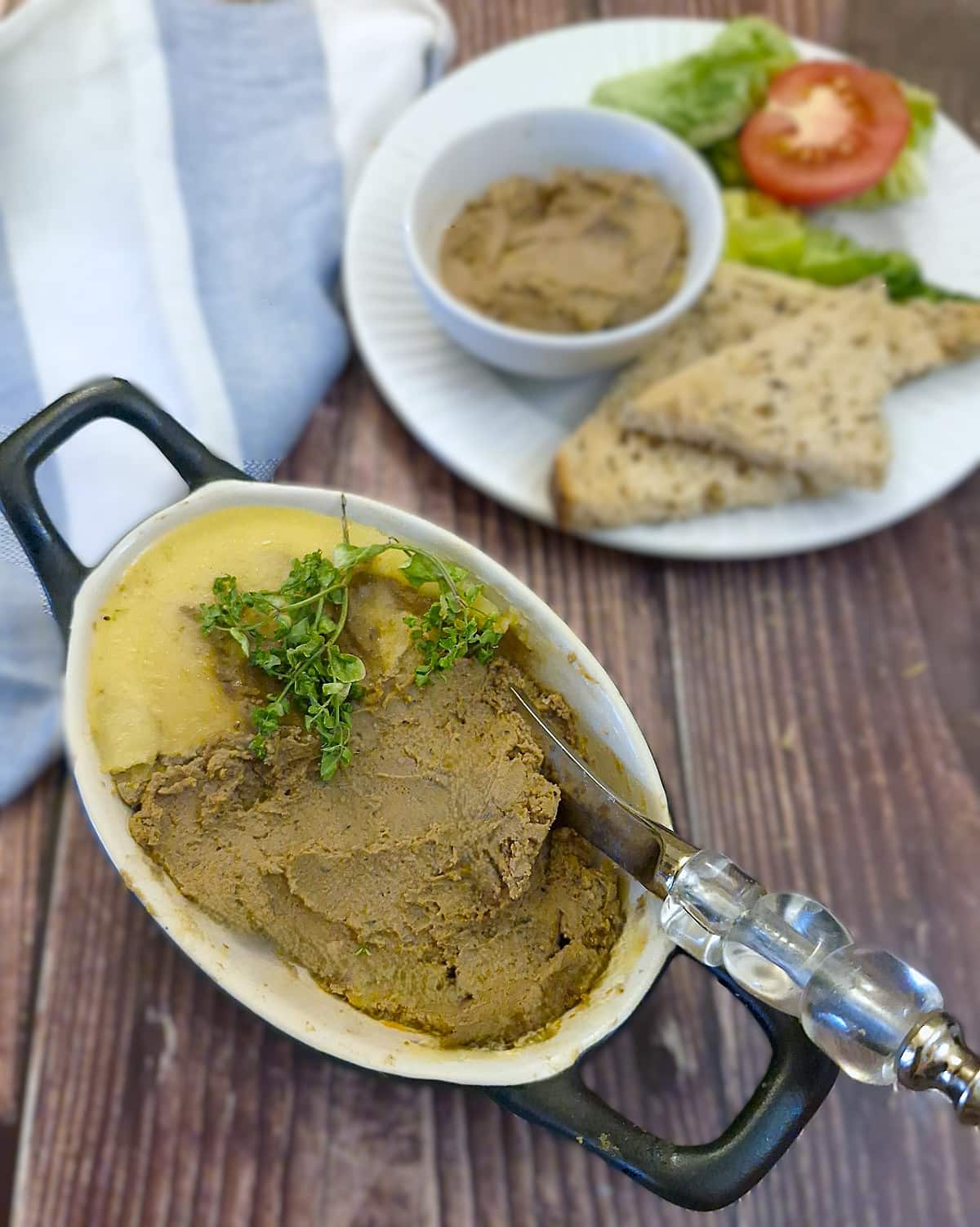
Serve the liver cold or at room temperature with slices of Melba toast or crackers. I recommend letting it stand for 15 minutes when it comes out of the refrigerator so that it spreads more easily.
This duck liver pâté is ideal for serving with a plate of crusty bread or crackers as an appetiser at your next get-together or barbeque.
Tips for a successful outcome
Here are my top tips for ensuring your duck liver pâté always turns out perfectly:
- Pat the liver with a paper towel to dry it before cooking. The liver should fry in the butter; any moisture will cause it to boil.
- To check whether the duck liver is cooked, cut one open to look at the inside. If there are streaks of bright red on the inside, it will need one or two minutes longer in the pan.
- When adding the butter and cream to the blender with the duck livers, ensure they are at room temperature so they emulsify smoothly.
- If you decide to substitute the brandy for ruby port, you might like to add a little extra. The flavour of ruby port isn't as overpowering as brandy, so you might like to add a little extra.
- If you want a REALLY smooth pâté, push the blended mixture through a sieve. This is optional, and I don't bother to do this - the pâté is smooth enough for my taste once it comes out of the blender.
- If you intend to keep the pâté for longer than a day in the refrigerator, I would advise covering it with butter. It extends the shelf life and helps prevent the pâté from drying out.
Serving suggestions
Duck liver pâté isn't just for spreading on melba toast or crackers! Here are a few ideas to help you incorporate it into a recipe:
- Beef wellington - instead of the traditional foie gras or mushroom duxelles, spread a thin layer of duck pâté over the beef fillet before wrapping it in pastry.
- Stuffed chicken breasts - butterfly chicken breasts and spread a spoonful of pâté inside. Fold closed and wrap in bacon before roasting in the oven for 35 minutes. Optionally add a few sliced mushrooms with the pâté and top the bacon with grated cheese before baking.
- Stuffed mushrooms - combine duck liver pâté with breadcrumbs and chopped parsley. Spoon into mushroom caps and top with grated cheese. Bake in a hot oven for 10 to 15 minutes until golden. See this recipe for ham and cheese stuffed mushrooms.
- Canapes - spread duck liver pâté onto slices of mini toasts or blinis. Top with a little onion marmalade and a dab of sweet chutney, such as this pear and onion chutney or this marrow and apple chutney.
Variations
Once you've mastered the basic duck liver pâté, there are so many ways in which you could vary it:
- Spiced pâté - add a pinch of cinnamon, allspice or even Chinese 5-spice powder for warmth.
- Herby - swap out the thyme for parsley, tarragon or oregano.
- Citrus lift - add a teaspoon of orange zest to the pâté when you blend it.
- Sweetness - blend a spoonful of onion marmalade into the pâté.
- Nutty finish - stir chopped walnuts or hazelnuts through the pâté once it's been blended.
- Extra creamy - increase the cream for a softer, more mousse-like spread.
- More rustic - blend less, and leave it a little coarse for a terrine-style pâté.
Equipment
These are the main items of equipment you will need to make duck liver pâté :
- Sharp knife and chopping board for cutting up the shallots and trimming the duck liver.
- A pan for frying the shallots and livers. I used a frying pan for the photos, but a medium saucepan would work just as well.
- Blender - this is essential for blending the pâté once it's been cooked.
- Small ramekins - for storage/serving.
Storage
In the refrigerator
- Well-sealed with a butter layer - the duck liver pâté can be stored for 4 to 5 days in the fridge.
- Without a butter seal - I probably wouldn't keep it longer than a day, as the exposed pâté would tend to dry out.
- Always keep the pâté chilled, and take out only what you need. Don't leave it sitting at room temperature for too long.
In the freezer
- Wrapped tightly in cling film and foil, then sealed in a plastic bag or airtight container, the pâté can be frozen for up to three months.
- For best results, freeze in small ramekins or similar containers so you can thaw only what you need.
- To defrost, place it in the refrigerator overnight and eat within 2 days.
FAQ
Yes, you can use this recipe and do a direct swap. Otherwise, see this recipe for chicken liver pâté with bacon.
For a vegetarian version, you might like to try this mushroom pâté too.
No, alcohol adds depth and flavour, but you could substitute with apple juice, grape juice or even a splash of stock with a teaspoon of vinegar.
This usually happens if the greenish parts of the liver (the gall bladder) have not been removed. Be sure to clean the livers thoroughly before cooking. Overcooking the livers can also lead to a slightly bitter taste. Cook them until they are browned on the outside but still very slightly pink inside.
Save for later
If you would like to make this duck liver pâté, why not save the recipe to one of your Pinterest boards so you can find it easily? Just click the image below.
Alternatively, you can save the recipe by clicking on the floating heart icon on the right-hand side of the screen.
Related recipes
Visit my chicken and poultry recipes page for other recipes using duck. Here are a few you might enjoy:
📋The recipe
Creamy duck liver pâté with brandy
(Click the stars to rate this recipe)
Equipment
- Sharp Knife
- Chopping Board
- Frying Pan OR
- Medium-sized saucepan
- Blender
- Ramekins for storage/serving
Ask a Question
If you have a question about this recipe that has not been answered, please use the box below to ask it.
Use this with care. This is an AI-generated result and may contain errors or inaccuracies. I cannot be held responsible for the information returned.
Ingredients
- 10½ ounces / 300 grams fresh duck liver
- 2 - 3 medium shallots peeled and finely diced
- 2 - 3 cloves garlic thinly sliced
- 1 ounce 30 grams butter for frying
- ½ teaspoon salt
- ¼ teaspoon black pepper
- 1 teaspoon dried thyme
- ¼ teaspoon ground nutmeg optional
- 2 tablespoons brandy or ruby port If using ruby port, you can add a splash extra to taste.
- 1 tablespoon tomato puree
- ⅓ cup / 80 grams butter for the pâté
- ¼ cup / 60 ml double or heavy cream
Instructions
- Pat the livers with a piece of paper towel to remove any excess moisture. Trim any bits of sinews from the livers and ensure all parts of the gall bladder have been removed. Cut the duck livers into largish pieces (about 4 pieces per liver, depending on size). Set aside until needed.10½ ounces / 300 grams fresh duck liver
- Melt the butter in a frying pan over a gentle heat, then add the chopped shallots and garlic and saute for 4 to 5 minutes, stirring often, until the shallots have turned translucent.. Do not allow them to brown.2 - 3 medium shallots, 1 ounce 30 grams butter, 2 - 3 cloves garlic
- Add the duck liver and dried thyme, season with salt and pepper, and fry the liver for 3 to 4 minutes per side. Do not overcook the duck liver; it should be browned, but still pink on the inside.½ teaspoon salt , ¼ teaspoon black pepper, 1 teaspoon dried thyme
- Add the tomato puree and brandy and stir to deglaze the pan. Cook for one or two minutes longer, then remove the pan from the heat and allow the liver to cool.2 tablespoons brandy or ruby port, 1 tablespoon tomato puree
- Transfer the cooled duck liver into a blender and add the nutmeg, butter and cream. Blend until smooth, and adjust the seasoning to taste.⅓ cup / 80 grams butter, ¼ cup / 60 ml double or heavy cream, ¼ teaspoon ground nutmeg
- Transfer the mixture to ramekins and leave to cool completely.
- Optionally, melt butter and pour it over the pate to seal. Leave it in the refrigerator to set. Garnish with a sprig of fresh thyme.
- Serve the pâté at room temperature with crackers or slices of melba toast.
Notes
- Pat the liver with a paper towel to dry it before cooking. The liver should fry in the butter; any moisture will cause it to boil.
- To check whether the duck liver is cooked, cut one open to look at the inside. If there are streaks of bright red on the inside, it will need one or two minutes longer in the pan.
- When adding the butter and cream to the blender with the duck livers, ensure they are at room temperature so they emulsify smoothly.
- If you want a REALLY smooth pâté, push the blended mixture through a sieve. This is optional, and I don't bother to do this - the pate is smooth enough for my taste once it comes out of the blender.
- If you intend to keep the pâté for longer than a day in the refrigerator, I would advise covering it with butter. It extends the shelf life and helps prevent the pâté from drying out.
- Well-sealed with a butter layer - the duck liver pâté can be stored for 4 to 5 days in the fridge.
- Without a butter seal - I probably wouldn't keep it longer than a day, as the exposed pâté would tend to dry out.
- Always keep the pâté chilled, and take out only what you need. Don't leave it sitting at room temperature for too long.
- Wrapped tightly in cling film and foil, then sealed in a plastic bag or airtight container, the pâté can be frozen for up to three months.
- For best results, freeze in small ramekins or similar containers so you can thaw only what you need.
- To defrost, place it in the refrigerator overnight and eat within 2 days.
Nutrition
I am not a nutritionist. The nutrition information has been calculated using an on-line calculator, and is intended for information and guidance purposes only. If the nutrition information is important to you, you should consider calculating it yourself, using your preferred tool.
If you made this recipe and enjoyed it, I'd love it if you could give me a star rating in the comments below. And if you'd like to get in touch, you can email me at [email protected]. I'd love to hear from you. And don't forget to subscribe to my mailing list so you can grab yourself a copy of my FREE COOKBOOK!
If you'd like to continue browsing, just click on this link to all my recipes.





Did you make this recipe? Let me know!